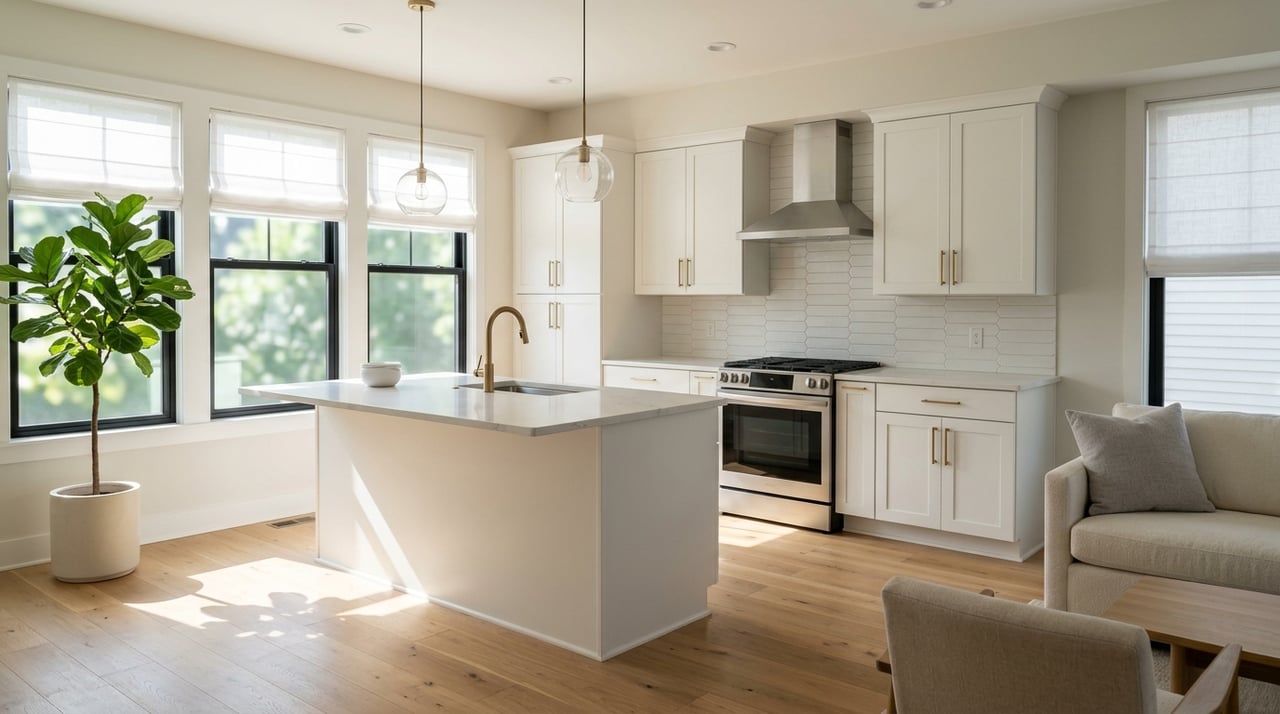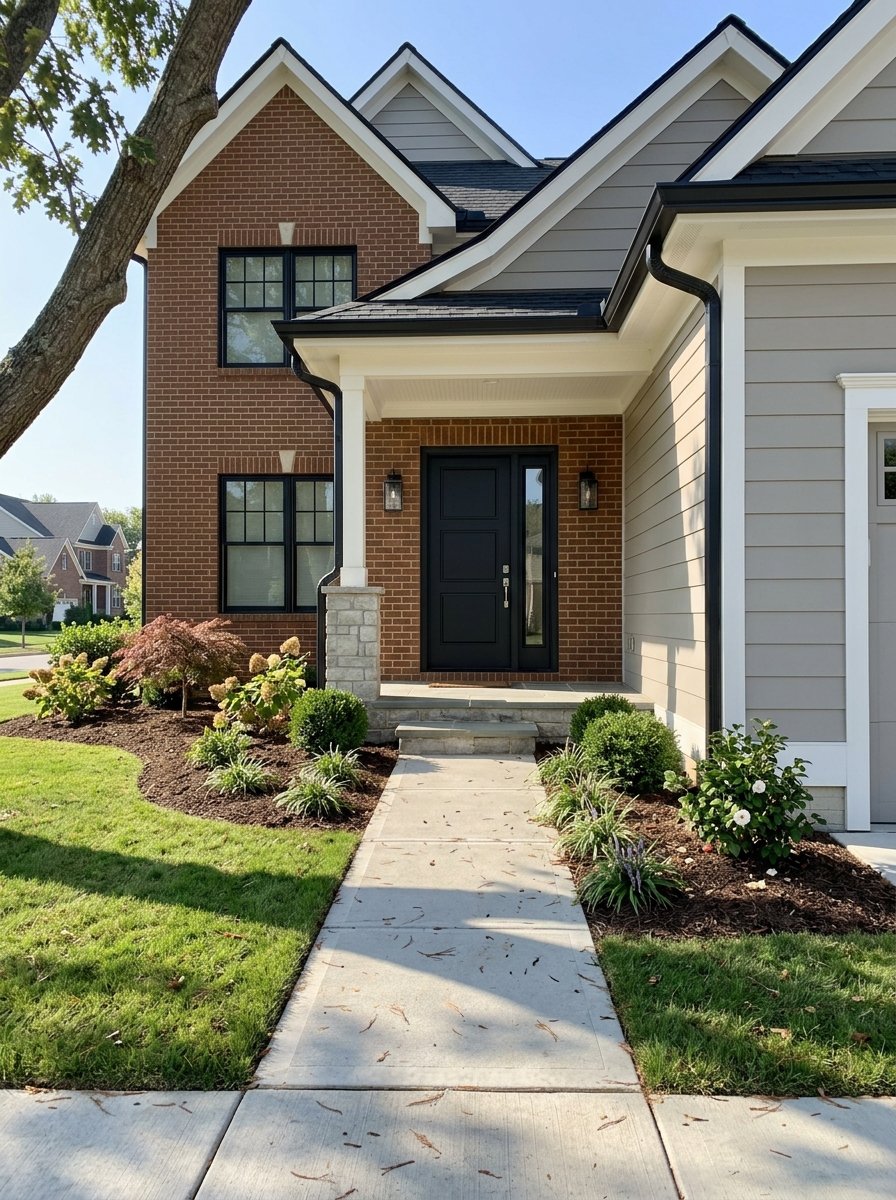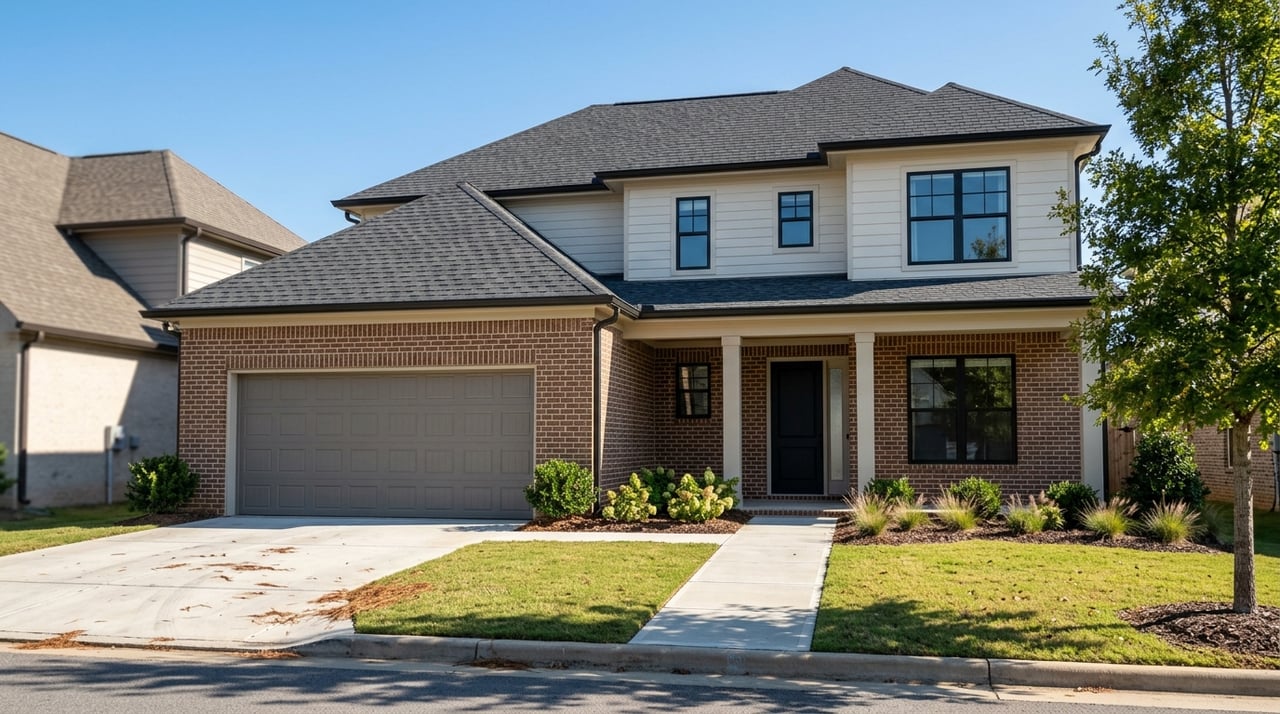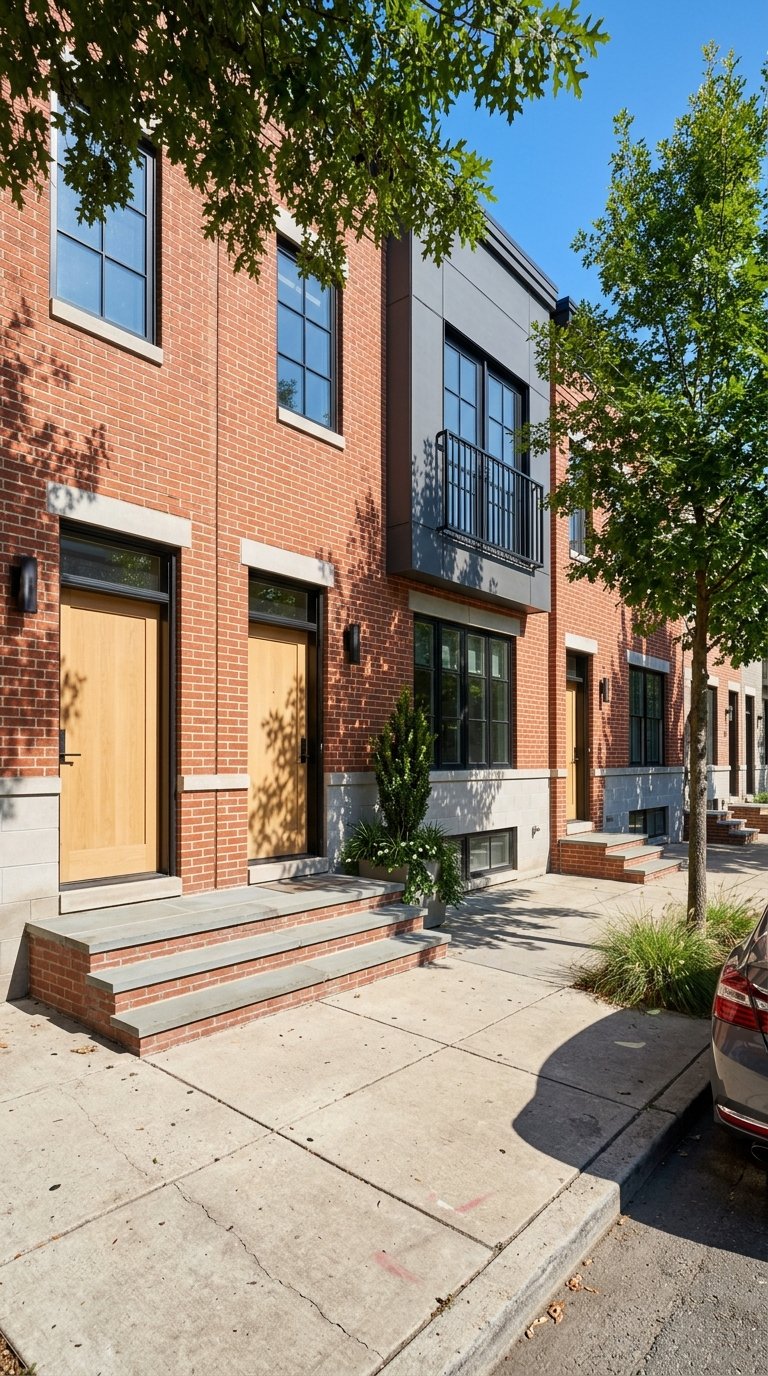
Wondering if a brand-new home or a well-kept resale will give you more value in Concord right now? You are not alone. With builders adjusting incentives and resale inventory shifting month to month, it can be tough to tell which path fits your budget and timeline. In this guide, you will learn how to compare price per square foot, understand incentives, and read days-on-market the right way for Concord and the broader Cabarrus County area. Let’s dive in.
Concord new construction vs resale at a glance
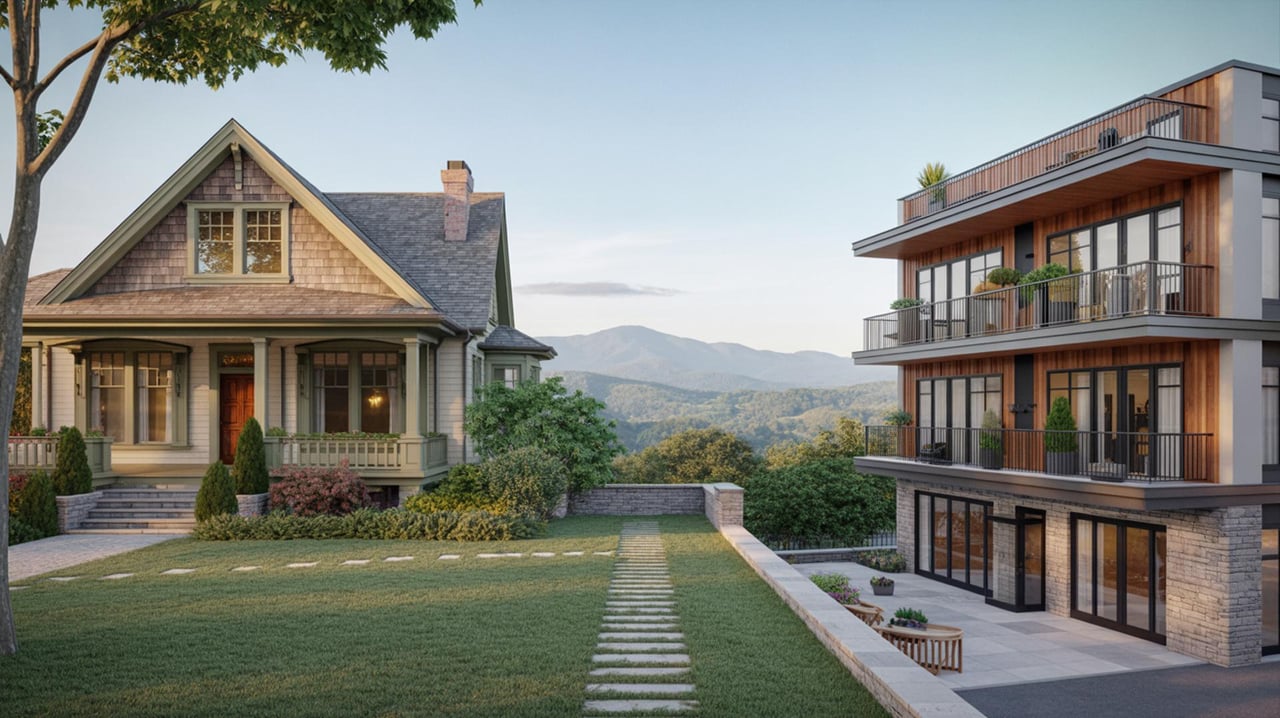
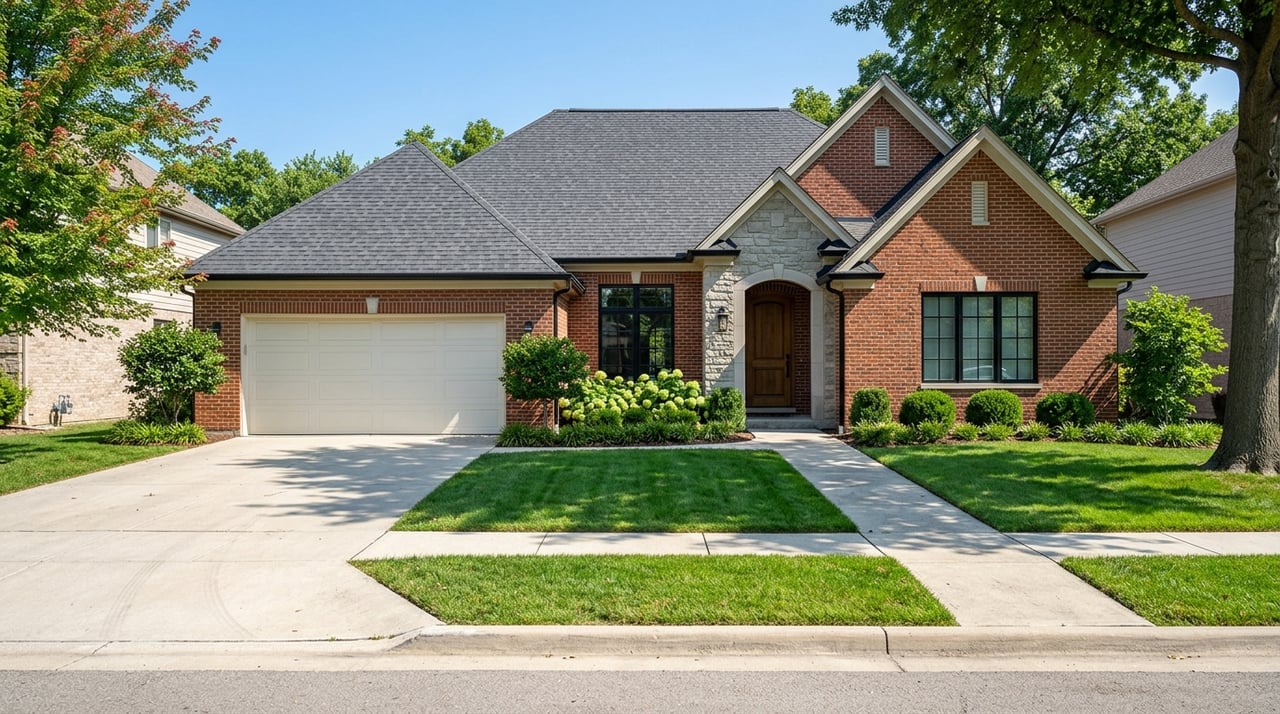
When you compare new construction to resale, you are weighing more than list prices. New homes often show a higher sticker price per square foot, but builders may offer incentives that lower your effective cost. Resale homes can deliver established neighborhoods and mature lots, and they may come on market with fewer concessions but more flexibility on repairs and closing timelines.
Keep this big picture in mind:
- New homes can have an “effective price” that is lower than the list once you factor incentives.
- Resales often vary in condition and upgrade levels, so comparing based on list price alone can mislead you.
- Days on market for new builds can be measured differently than resales, especially when a home is under construction.
Price per square foot: read it right
Price per square foot is helpful, but only when you measure it consistently. Use sold data, not list prices. Calculate price per square foot as sale price divided by finished living area. Avoid including garages or unfinished spaces in the square footage.
To get a clean comparison in Concord:
- Pull sold records for the last 12 months for both new construction and resales in Canopy MLS.
- Compare median price per square foot by similar property types and sizes. Segment by bedroom count or price tier when possible.
- Look at 3-, 6-, and 12‑month windows to see momentum, not just a single snapshot.
A few common pitfalls to avoid:
- Do not compare a new-build with upgraded finishes to an older home without adjusting for condition and features.
- Do not mix list and sold data in the same analysis.
- Watch for outliers like distressed or auction sales that can skew the median.
Incentives that change the math
Builders in many markets have used incentives to help buyers manage higher mortgage rates. In practice, this can include interest rate buydowns, closing-cost credits, upgrade allowances, or price adjustments on spec homes. These offers are often time-bound and may depend on using a preferred lender.
Here is how to translate them into a fair comparison:
- Convert incentives to cash value. A $10,000 closing-cost credit reduces your cash to close by that amount.
- For rate buydowns, focus on the monthly payment savings over the period the buydown applies. Estimate your monthly payment at the prevailing rate, then compare it to the buydown rate to see the real impact.
- Compare the effective price: sale price minus the cash-equivalent incentives you receive.
Resale sellers may offer concessions too, such as credits for repairs or closing costs. The key is to put every option on the same playing field. Ask for written details on any incentive and evaluate it alongside your financing and timeline.
Days on market vs time to build
Days on market can mean different things for new builds compared to resales. In MLS data, days on market generally measures time from listing to going under contract. For a new build, you also need to consider how long it takes to finish the home.
Use these distinctions to make sense of speed and certainty:
- Spec homes: Completed or near-complete new homes often have a clear close date and can move quickly if priced well.
- Build-to-order: You select a lot and floor plan, then wait for construction. Completion timelines can vary and may expose you to mortgage-rate changes before closing.
- MLS practices: Relisting can reset days on market. Look for cumulative days where available or use consistent rules across both segments.
Supply signals in Cabarrus County
New-home supply is influenced by permits, infrastructure, and builder absorption. Single-family building permits in Cabarrus County serve as a pipeline indicator for upcoming inventory. Rising permits can add future competition for resales once communities deliver homes, while infrastructure or phasing limits can delay supply.
What to watch:
- County building permits and planning approvals for large subdivisions.
- Builder spec inventory levels and sales pace.
- Any timing constraints like roadwork or utility capacity that affect delivery schedules.
Buyer playbook for Concord
If you are deciding between a new build and a resale, use a structured approach. Your goal is to compare total monthly cost, timing, and risk.
Follow these steps:
- Gather sold comps and PPSF. Pull new-build and resale sold data from the last 3, 6, and 12 months for your target neighborhoods or school zones. Keep comparisons neutral and based on similar home sizes and features.
- List incentives and concessions. Ask builders for current offers in writing. For resales, review any seller-paid credits or repair allowances noted in the purchase agreement.
- Model the monthly payment. Price out principal and interest using current rates, then apply any rate buydown scenarios. Include HOA fees and expected utilities.
- Adjust for operating and maintenance costs. New homes may have energy-efficient systems and builder warranties. Older homes may require near-term updates or replacements.
- Assess timeline certainty. If you have a hard move date, factor build-time risk. A spec home or a resale can provide more schedule control.
- Compare net value. Use effective price and monthly cost, not list price alone, to decide.
Pro tip: Negotiating a direct price reduction can be simpler to value than a mix of upgrades. Ask how the same budget could apply as a credit versus an upgrade package.
Seller strategy in a builder-heavy market
If you own a resale home near active new-home communities, assume buyers will compare your home against builder incentives. You want to compete on presentation, clarity, and the bottom line.
Smart moves for Concord sellers:
- Price to the market you have, not the one you remember. Recent closings are your anchor, not list prices.
- Offer clarity. If you are open to a credit for closing costs or repairs, say so in your listing and terms.
- Win on presentation. High-quality marketing, clean staging, and thoughtful updates can justify stronger offers.
- Mind the timing. If a large phase of new inventory is about to release, consider listing ahead of it or prepare to match value with credits.
How we compare options for you
Getting this right takes local data and on-the-ground visibility. You deserve a broker who can pull clean MLS comps, confirm builder incentives, and translate it all into a clear monthly-payment and effective-price comparison.
Here is how we help:
- Data-driven comps. We use Canopy MLS sold data to compare new construction and resale in Concord and across Cabarrus County with 3-, 6-, and 12‑month trends.
- Incentive verification. We contact local sales offices to confirm current offers and timing for spec homes versus build-to-order.
- Timeline and risk planning. We match your move date with the right path, whether that is a quick-close resale or a new build with a realistic completion window.
- Broker-led accountability. You work directly with a local broker who knows the neighborhoods, builders, and pricing dynamics.
Next steps
If you are weighing a new build against a resale in Concord, let’s put real numbers behind your decision. We will create a side-by-side comparison of price per square foot, incentives, days on market, and monthly-payment scenarios for your exact budget and timeline. You will walk away with a simple, confident path forward.
Ready to see your best option? Connect with David Wishon to start your custom analysis.
FAQs
How do new construction incentives work in Concord?
- Builders often offer interest rate buydowns, closing-cost credits, or upgrade allowances. Convert each offer to cash value and compare it to a resale scenario using the same financing assumptions.
What is the right price per square foot to target?
- There is no single number. Use sold data from the past 3, 6, and 12 months for comparable homes in your target area, then adjust for condition, finishes, lot, and amenities.
How long does a build-to-order home take in Cabarrus County?
- Timelines vary by community, permitting, and weather. Ask the builder for a current completion estimate and plan for rate and schedule buffers until you receive a confirmed delivery window.
Are new builds more expensive than resales in Concord?
- New homes often list higher per square foot, but incentives can narrow the gap. Compare the effective price and monthly payment with and without incentives before deciding.
How do days on market compare for new vs resale?
- Resale DOM tracks listing to contract. For new builds, look at both DOM and the time from contract to completion. Spec homes typically offer faster certainty than build-to-order.
How should a resale seller compete with nearby new communities?
- Lead with presentation, accurate pricing, and clear terms. If needed, offer targeted credits so buyers can compare your home fairly against builder incentives.