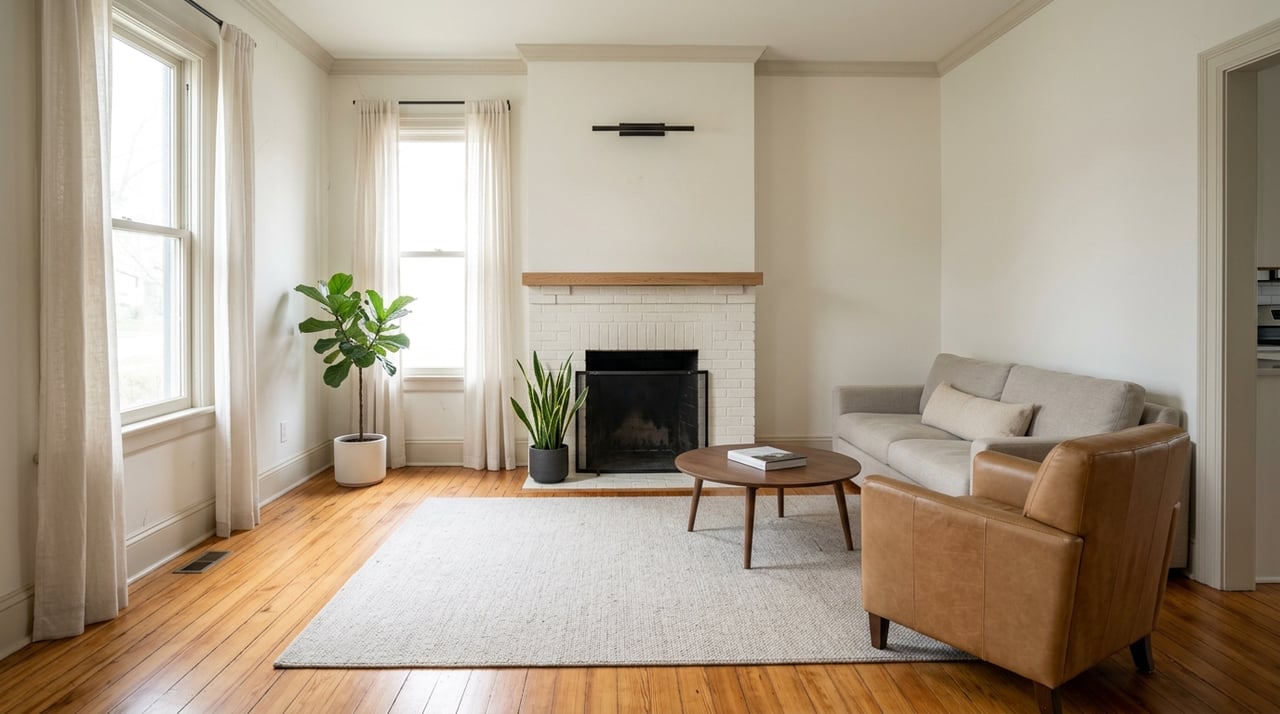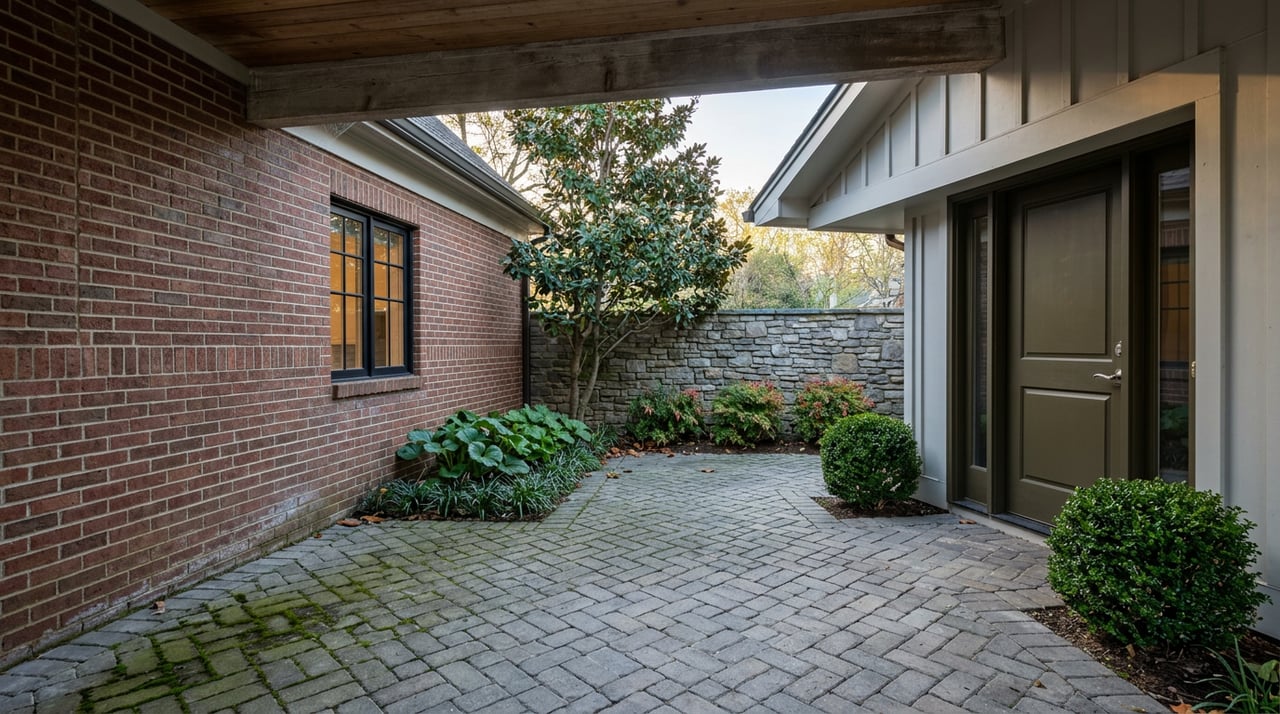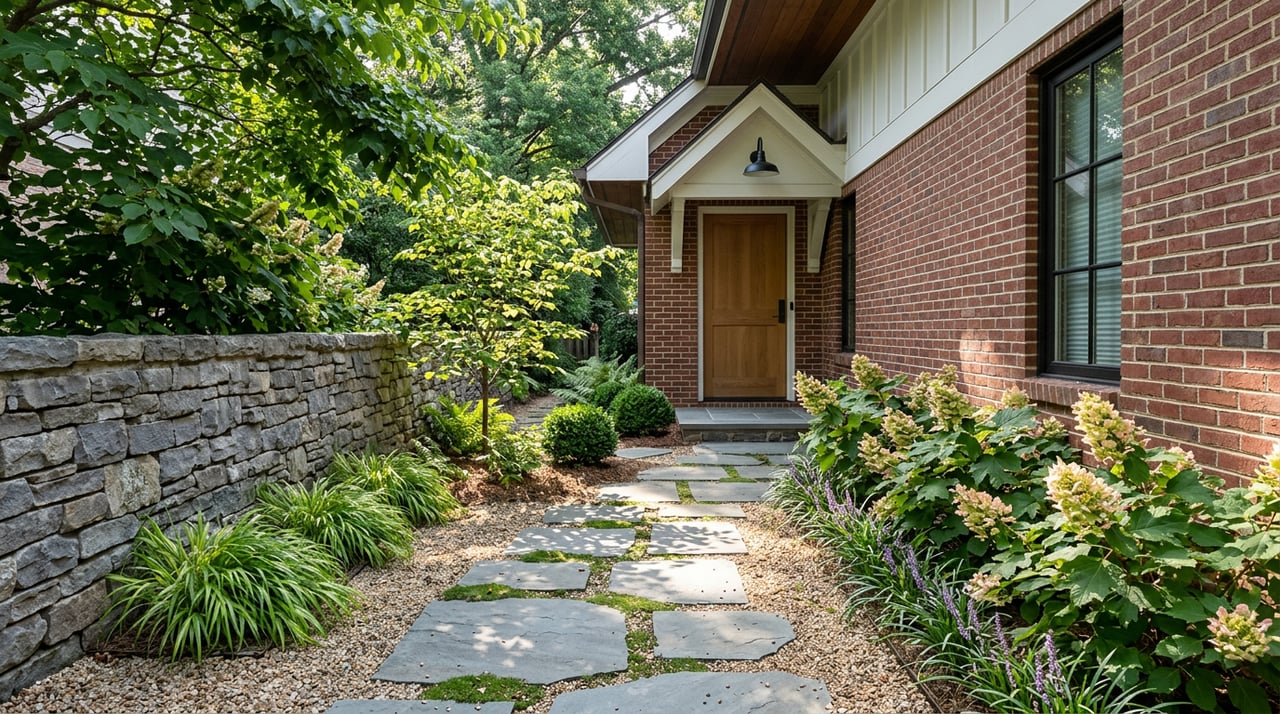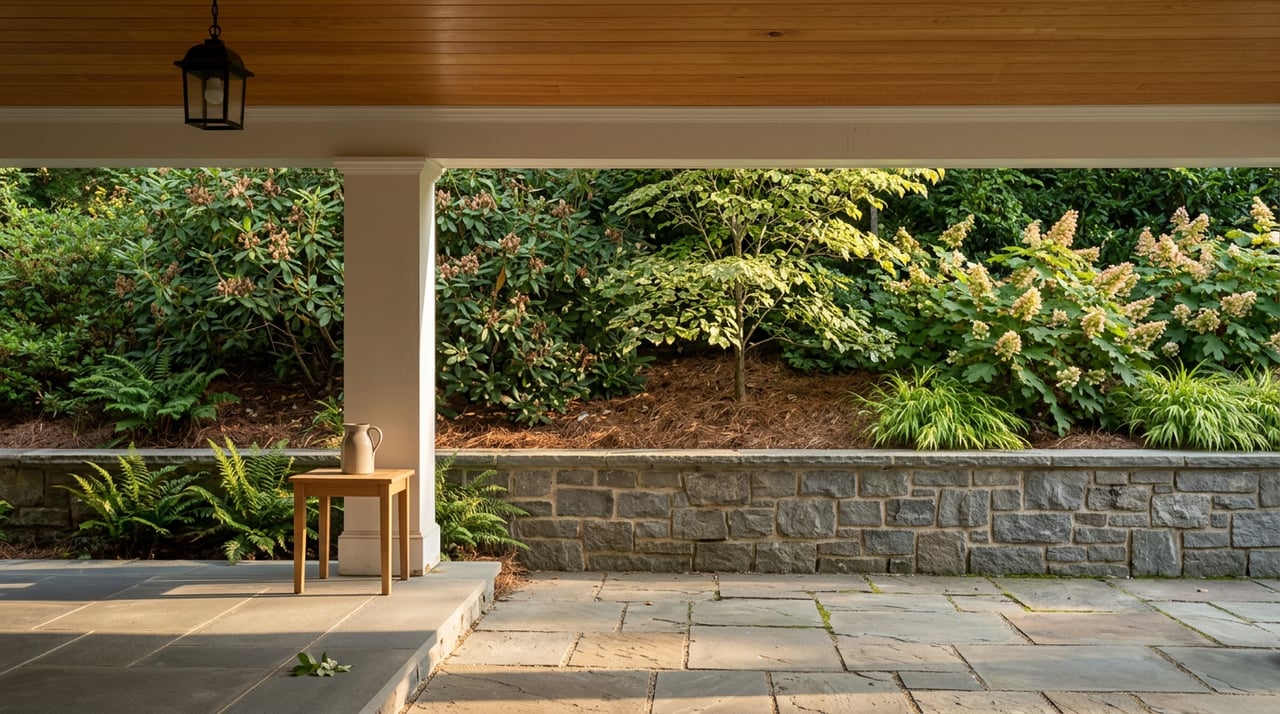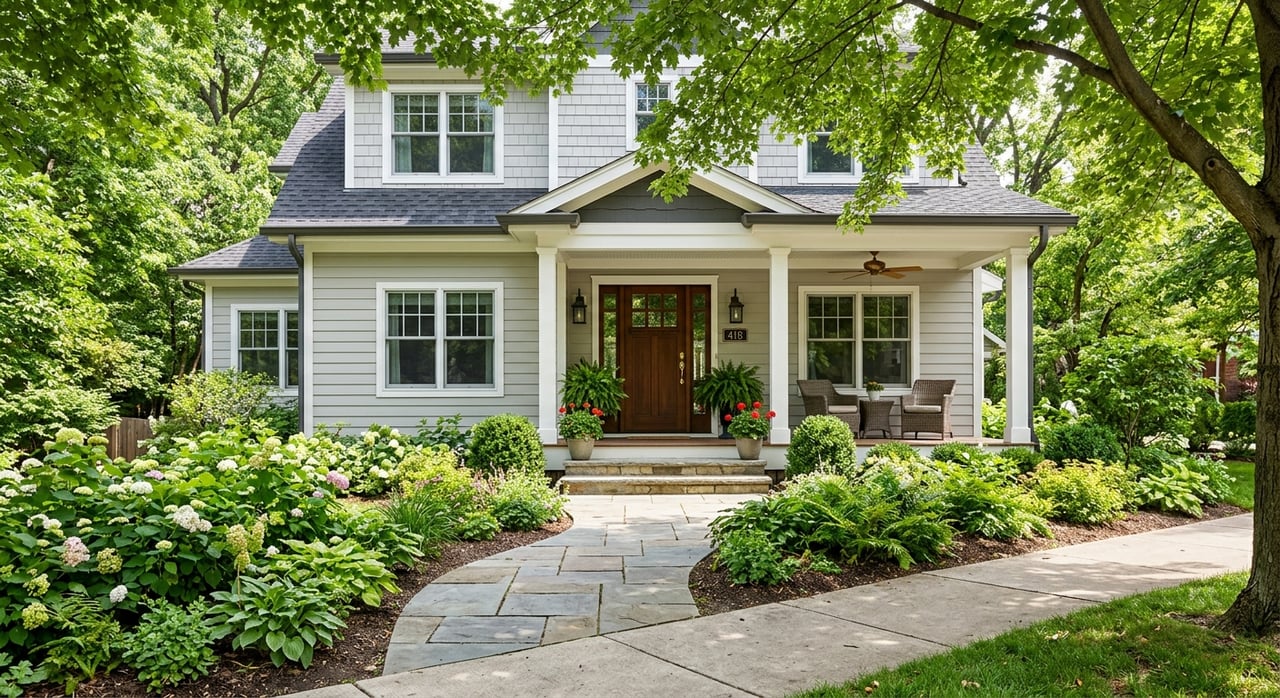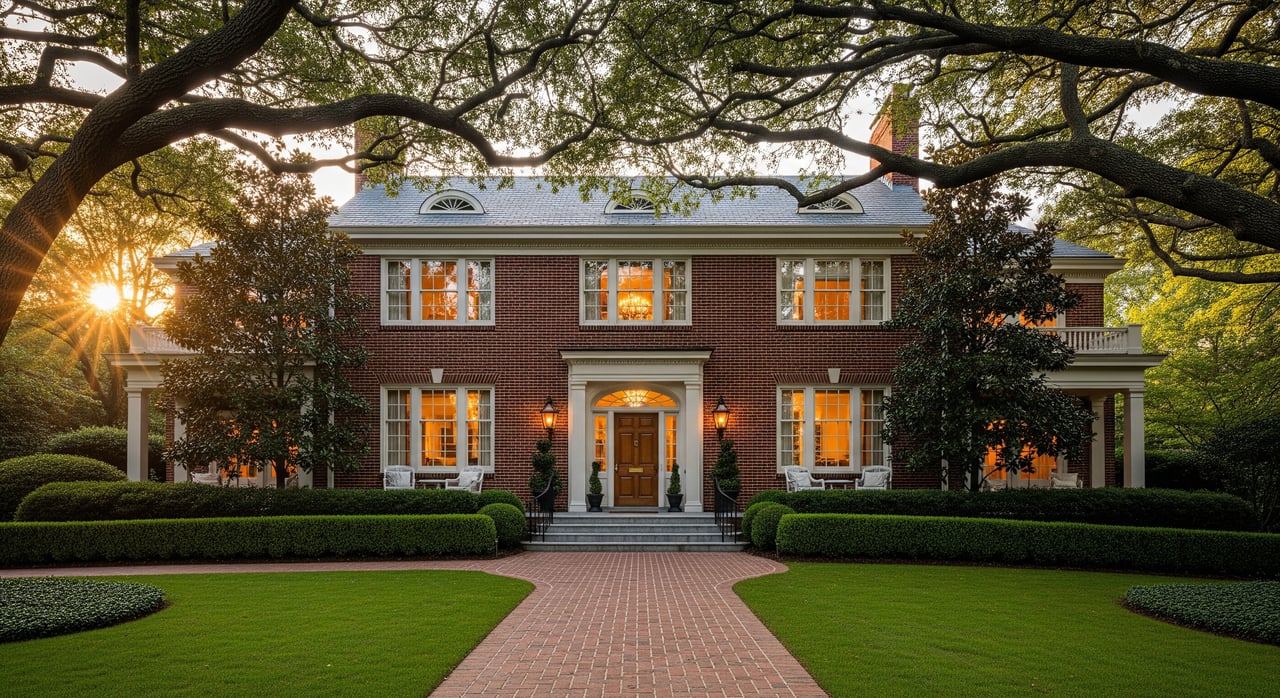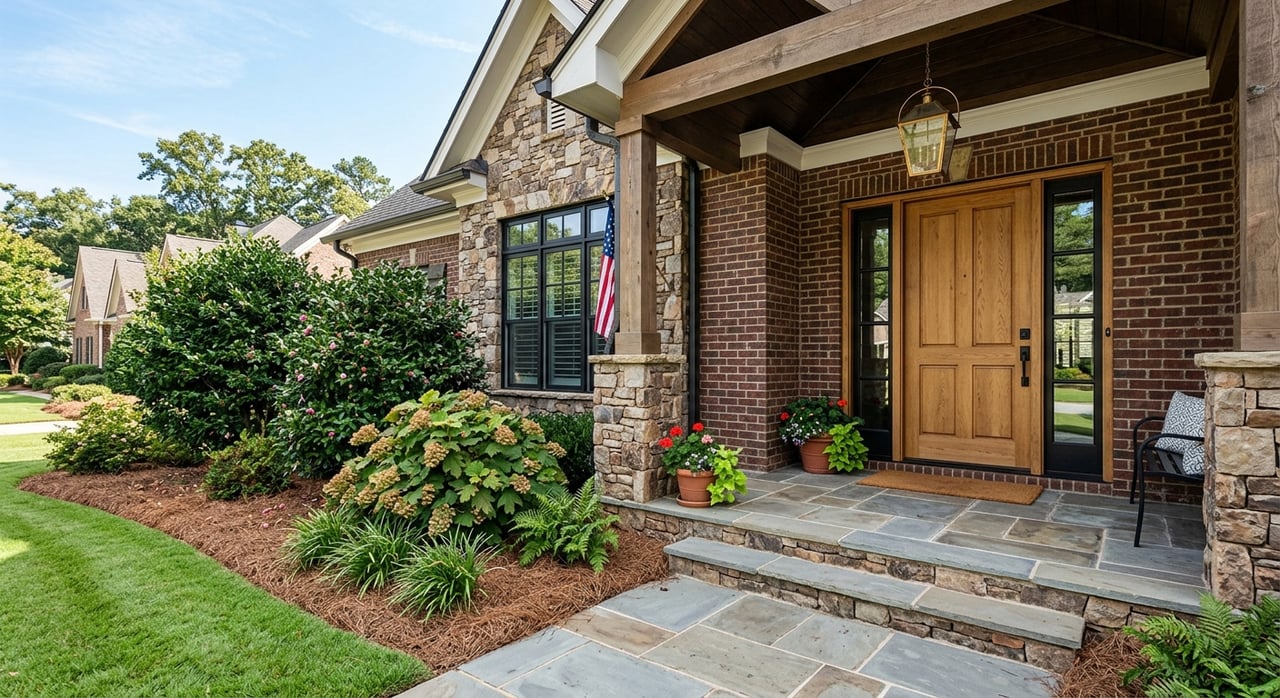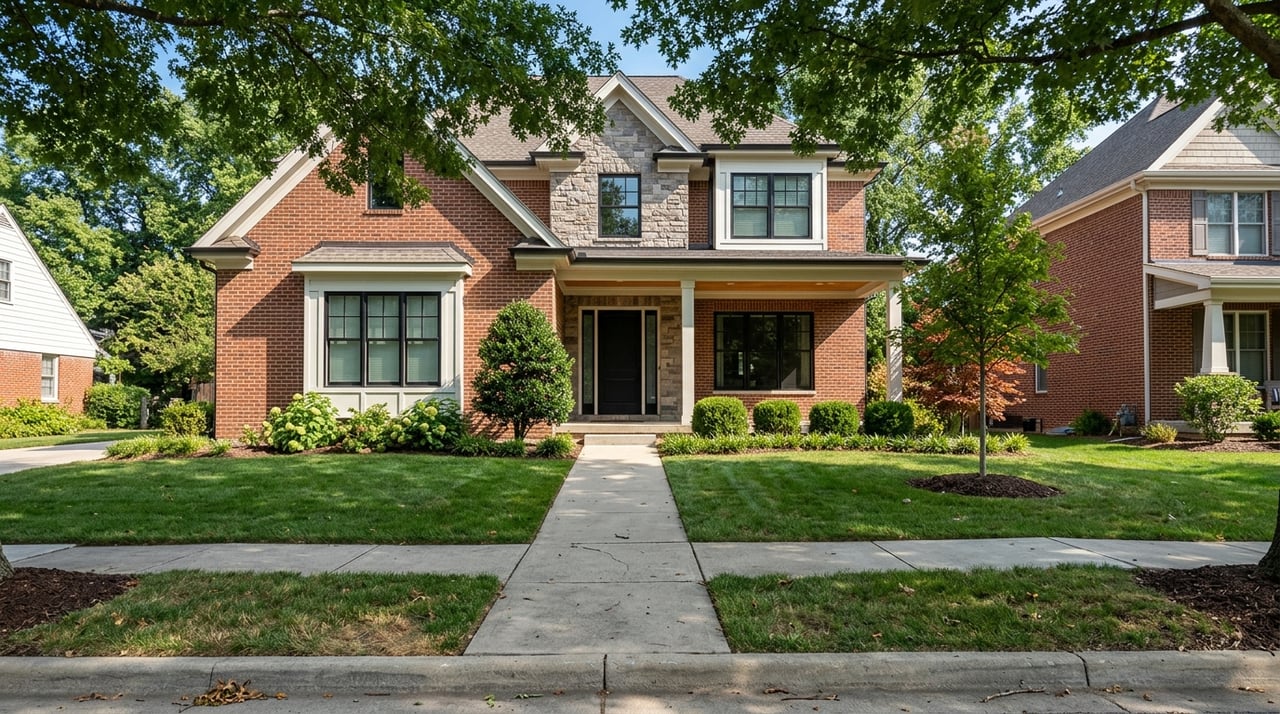
Ready to trade your starter home for more space, a bigger yard, and a layout that fits your next chapter? Concord in Cabarrus County gives you room to grow while staying connected to the Charlotte metro. In this guide, you’ll see what you can get for your budget, how the commute feels, where to look, and how taxes and amenities stack up. By the end, you’ll know if Concord is a smart move-up fit for your family. Let’s dive in.
Concord at a glance
Concord is a growing city with an estimated population in the low-to-mid 100,000s. The U.S. Census estimates about 112,395 residents as of mid-2024, and owner-occupied housing makes up a significant share of the market, roughly two-thirds of households. That mix creates plenty of single-family resale options plus ongoing new construction, which is ideal when you want to trade up. You also benefit from a broad price spectrum across neighborhoods, so you can prioritize square footage, lot size, or location.
Census data also shows a median household income around the mid-$80Ks, which supports a healthy move-up segment. Citywide value indices put typical home values in the mid $300Ks, with wide variation by neighborhood, age, and lot size. In practical terms, many move-up buyers find more space for the money here than in closer-in Charlotte suburbs.
Source: U.S. Census QuickFacts
What you get for your money
Pricing varies by neighborhood and product type, but these bands are common for move-up shoppers in Concord:
New townhomes
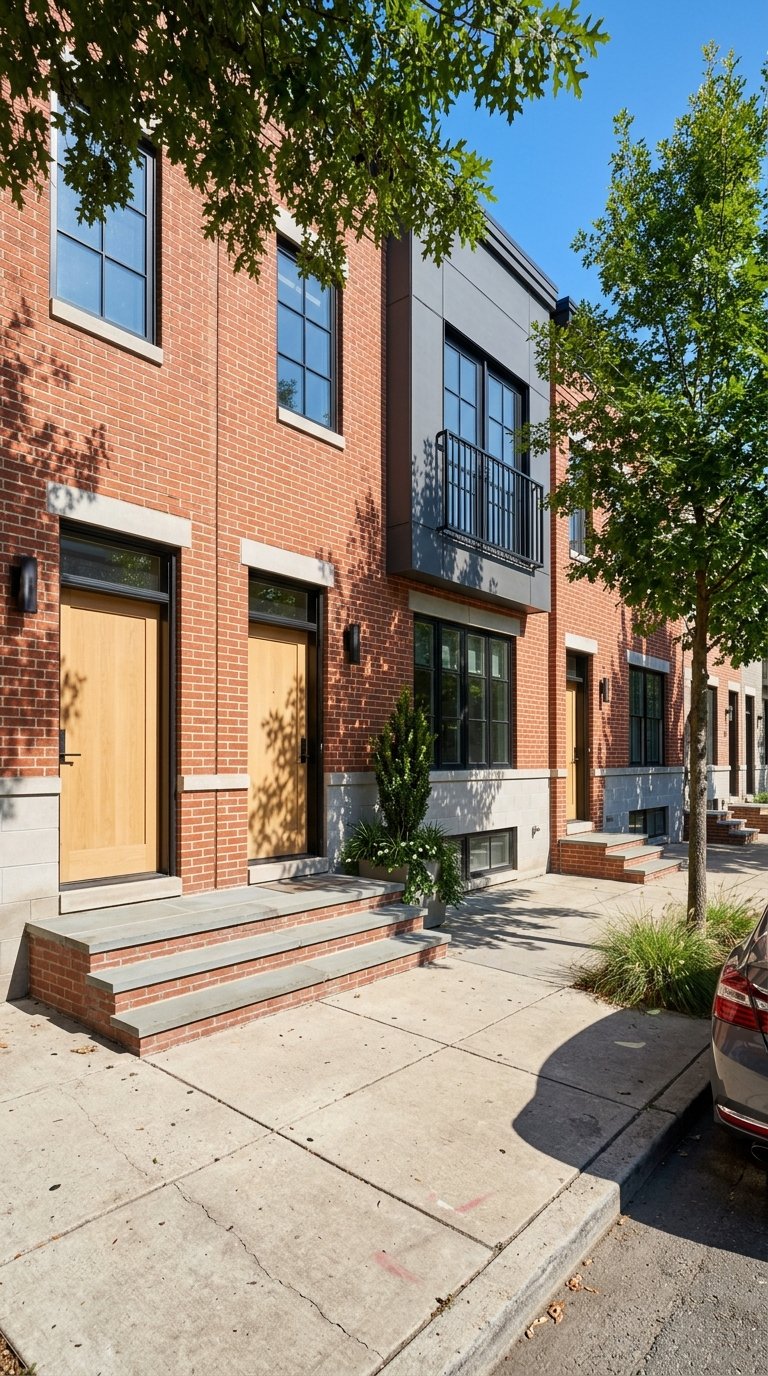
If you like newer finishes and lower yard work, new townhomes often run in the low-to-mid $300Ks. Footprints commonly range from about 1,500 to 2,000 square feet with attached garages and HOA-maintained exteriors. This is a good step-up if you want more space and bedrooms without full yard upkeep.
Single-family move-up homes
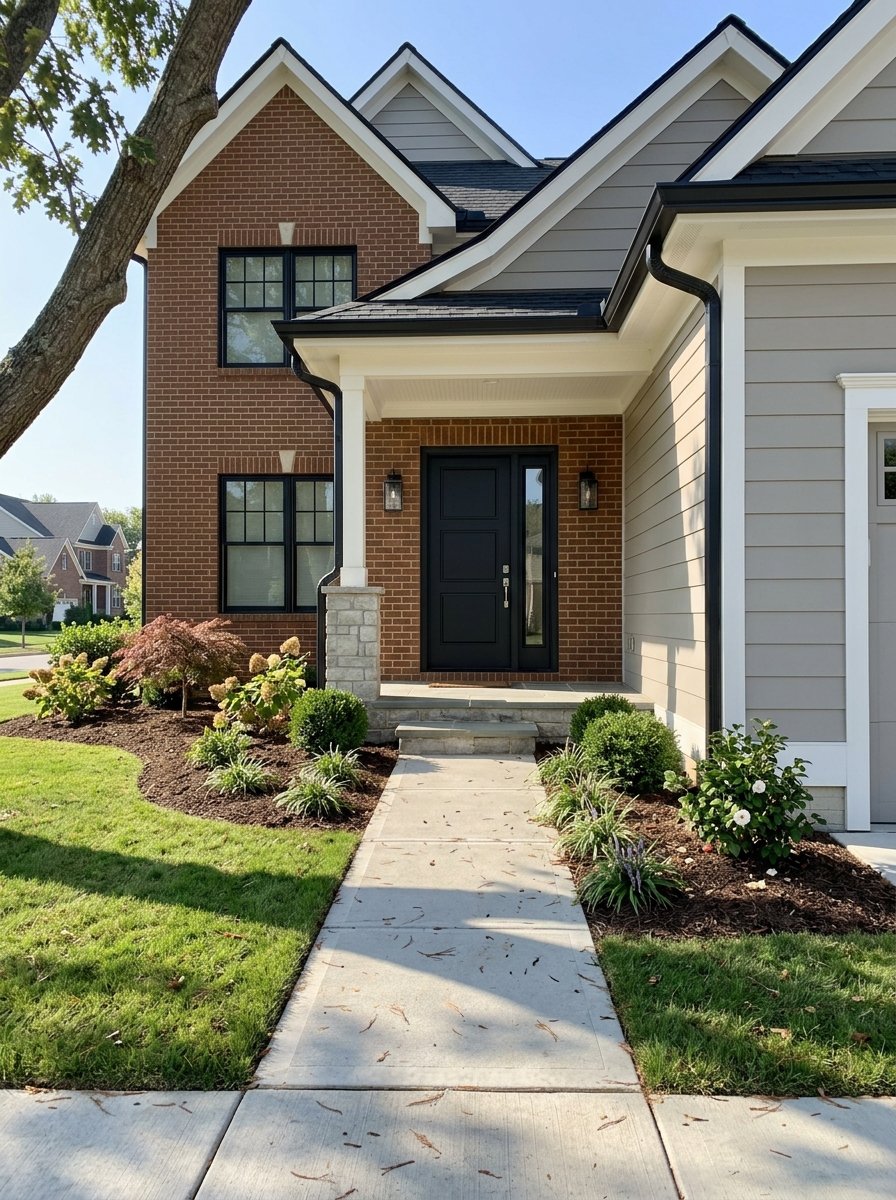
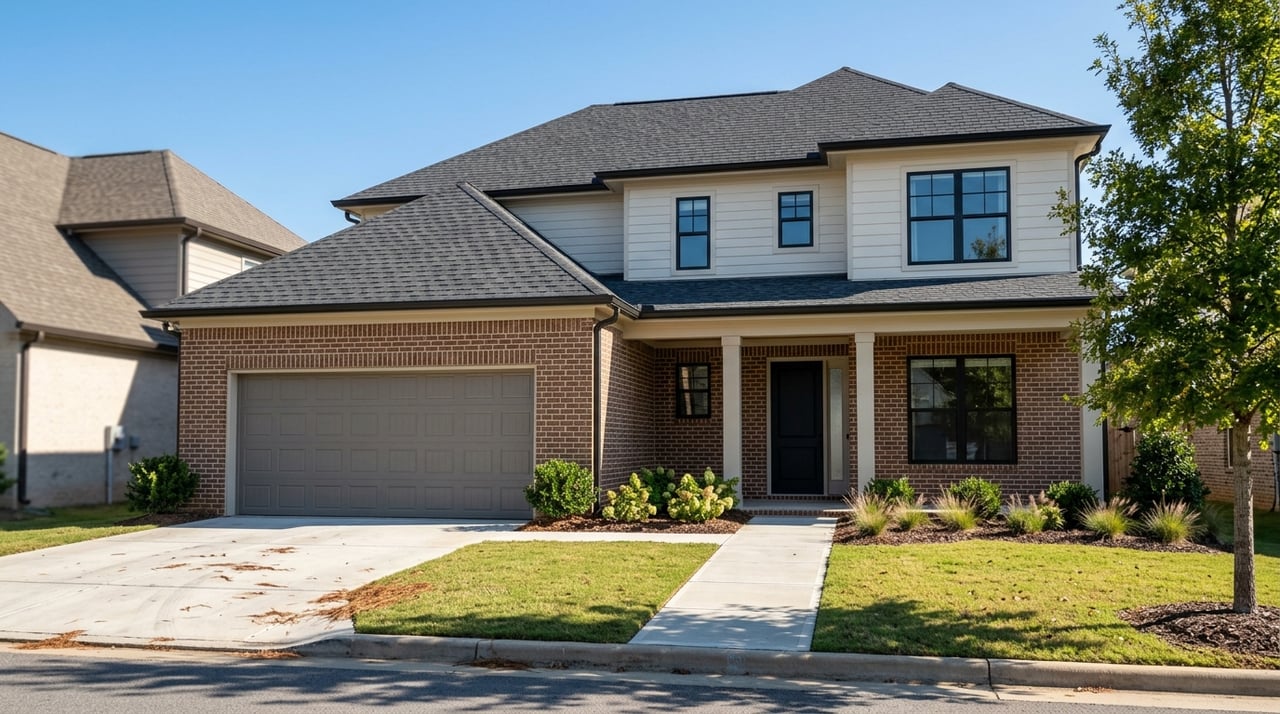
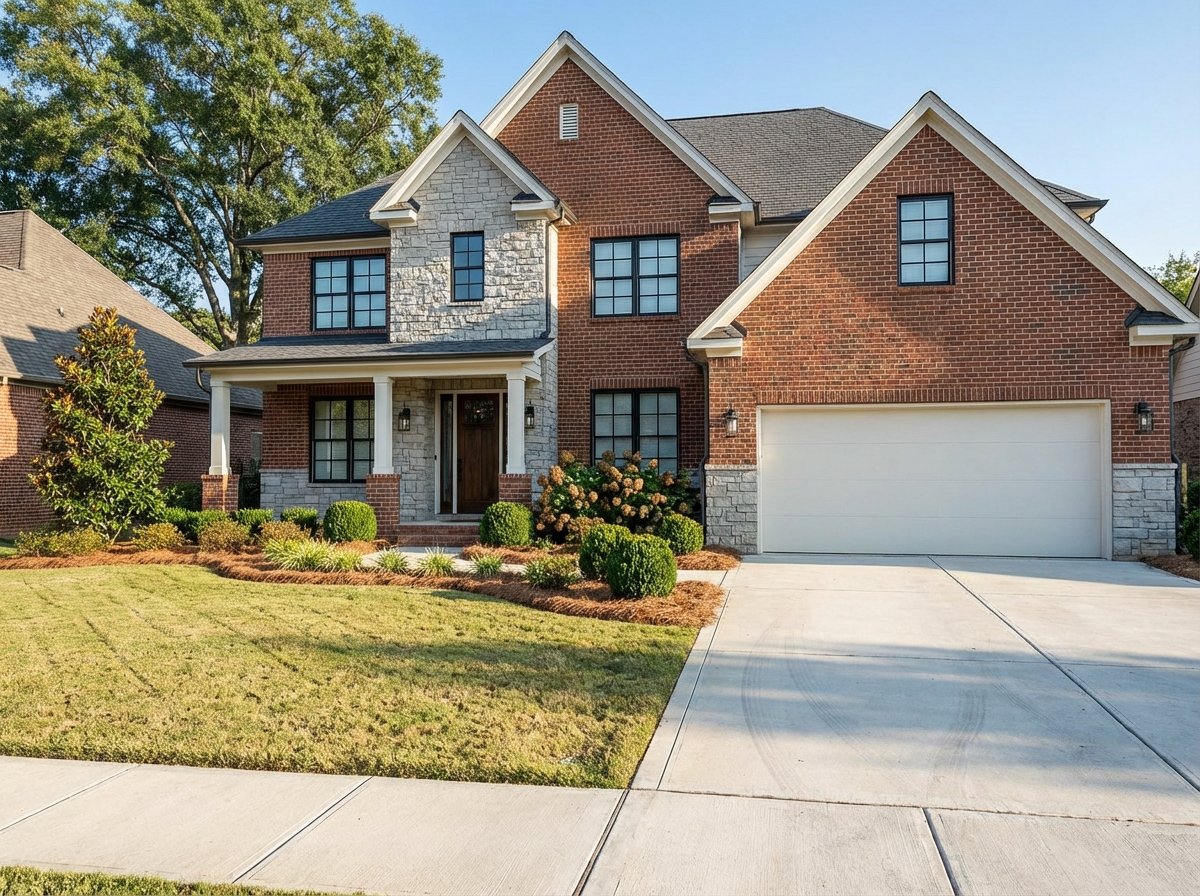
Most move-up buyers focus on single-family homes around 2,000 to 3,500-plus square feet. In many Concord neighborhoods, you’ll see broad ranges from roughly $325K to $500K depending on age, updates, and location. Established pockets can offer larger lots and mature trees, while new subdivisions provide modern floor plans, open living, and energy-efficient systems.
Higher-end pockets
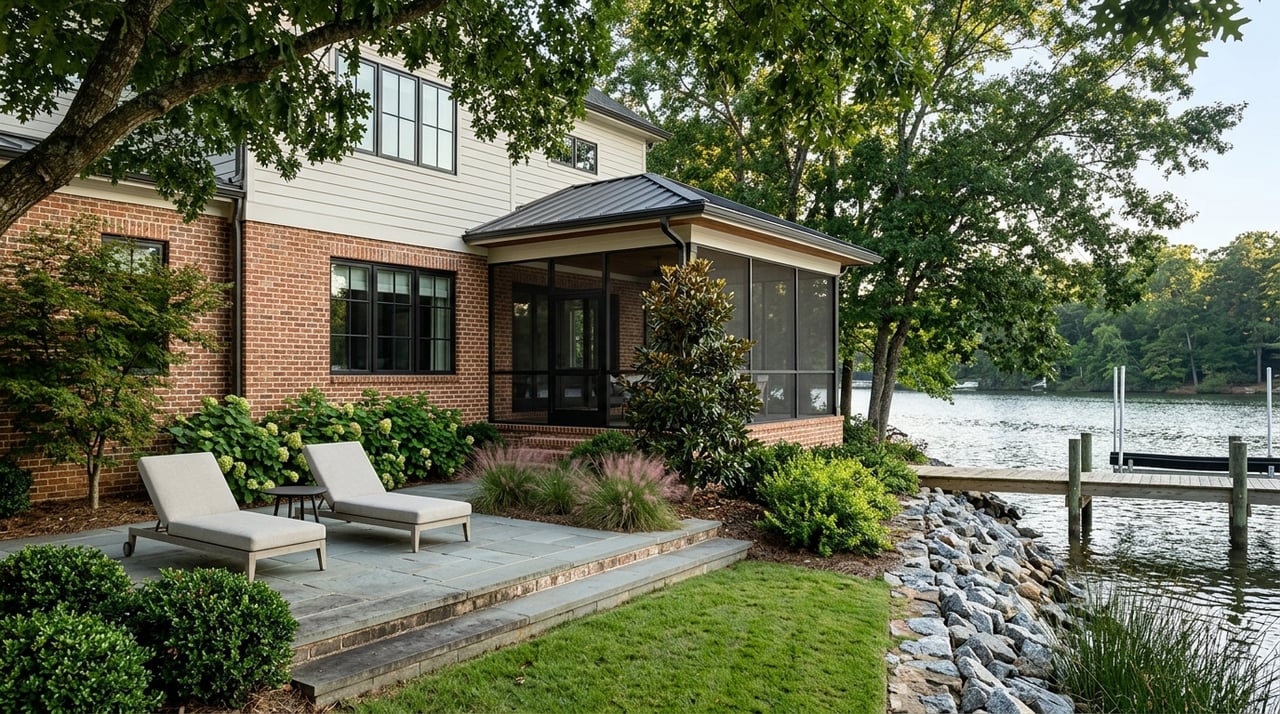
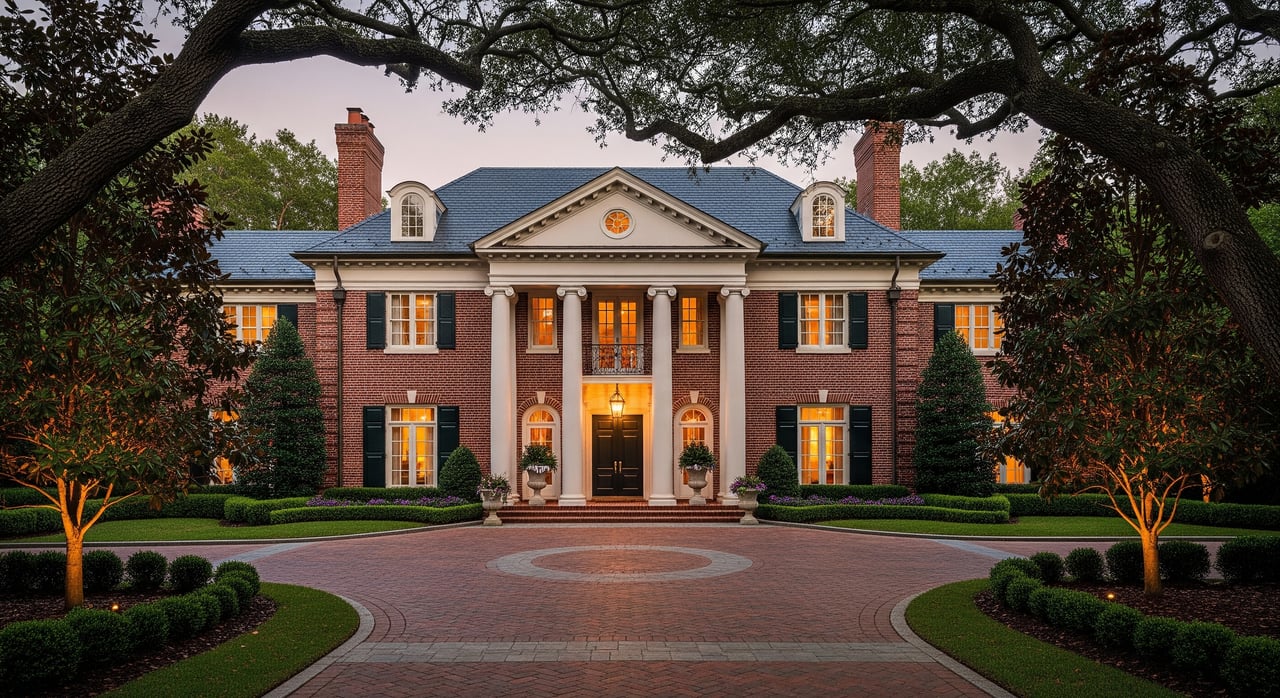
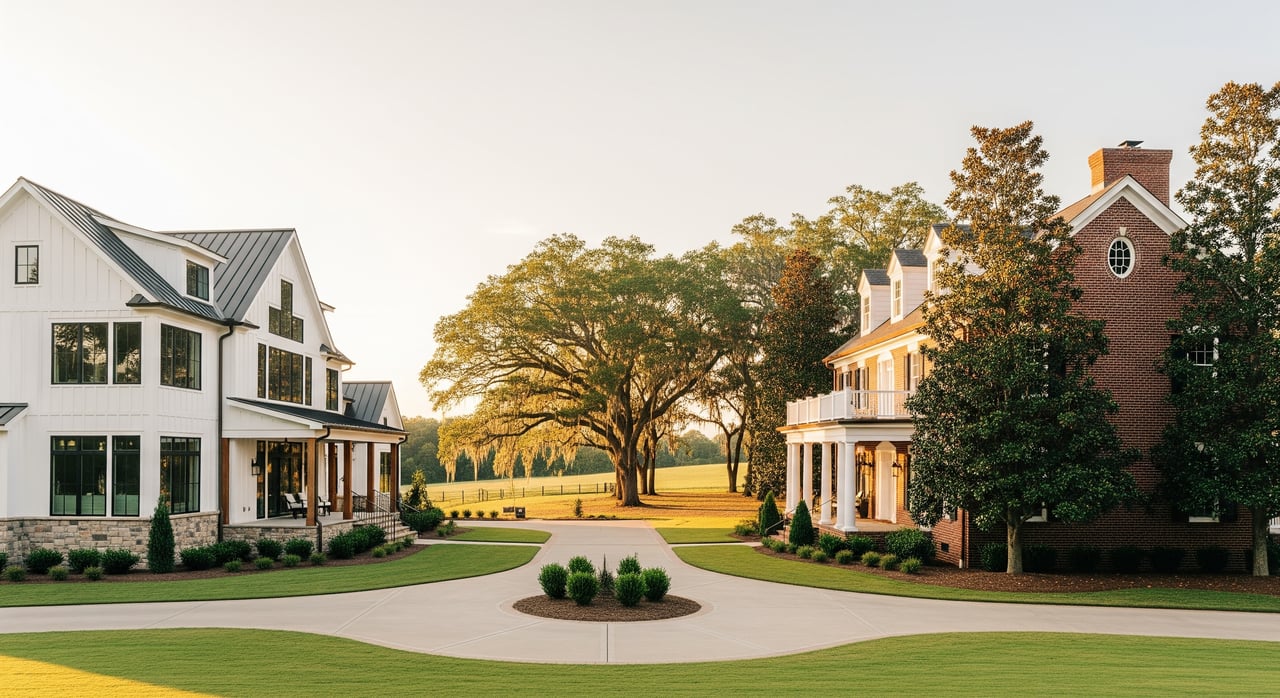
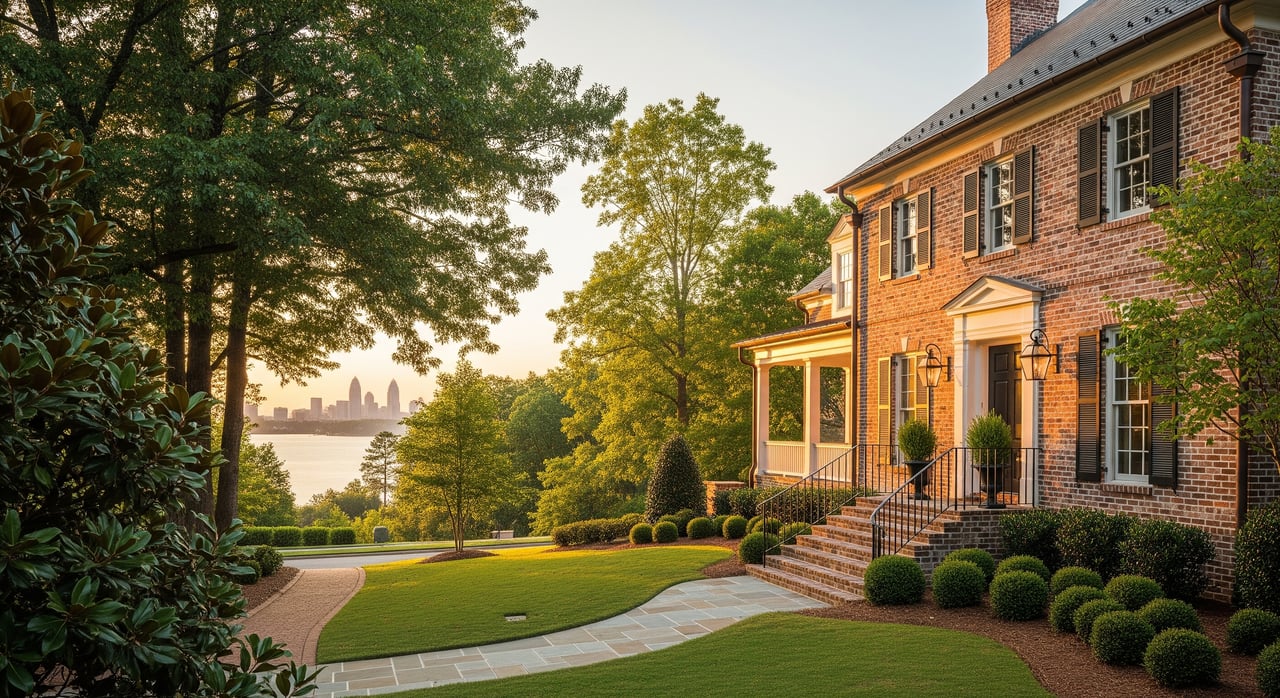
Country-club and estate-style areas often start around the $500Ks and go up from there, particularly where lots are larger and homes are custom or extensively updated. If you want half-acre to 1-plus-acre lots, you’ll find them more often in older established neighborhoods and select higher-end enclaves.
Commute and daily routine
The mean travel time to work in Concord is about 27.8 minutes across all workers, according to the U.S. Census. That average masks rush-hour swings, so test your route at your actual commute time. Uptown Charlotte is roughly 20 to 25 driving miles from Concord, with off-peak drives around 30 to 35 minutes and peak windows often longer.
Primary routes include I-85 for direct southbound access and I-485 for east-west connections. NCDOT has active and planned improvements along the I-85 corridor, which is worth noting for medium-term traffic trends. If a sub-30-minute commute is vital, plan a live test drive from candidate neighborhoods during your typical morning window.
- See distance estimates from Concord to Uptown Charlotte on this travel calculator.
- Learn more about the I-85 corridor in North Carolina and its role in regional travel on this overview.
Public transit exists but is more limited than inner-ring suburbs. Fixed-route service via CK Rider connects parts of Cabarrus County, and regional connections interface with CATS. If transit matters to you, explore park-and-ride options and test actual schedules before you commit. Get details on local routes through Cabarrus/Kannapolis transit resources.
Source: U.S. Census QuickFacts
Neighborhood types to explore
Concord’s subareas fit different priorities. Here’s a simple map to your search.
Historic and downtown
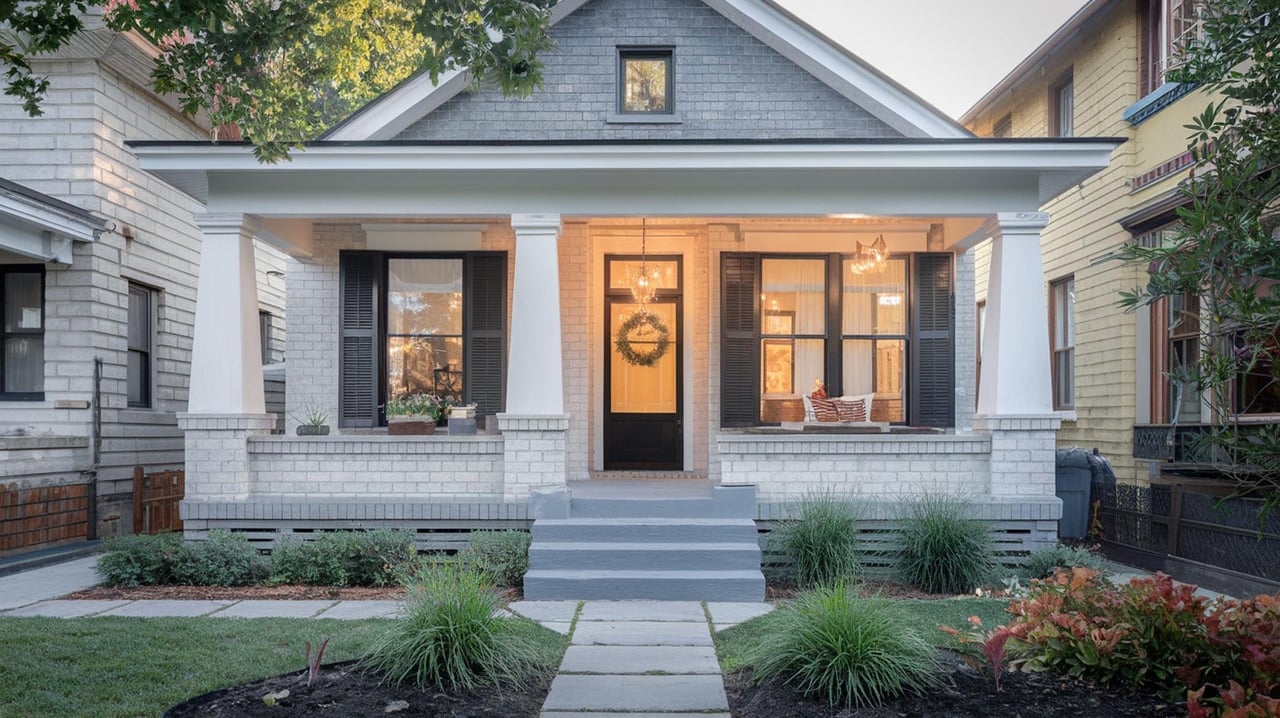
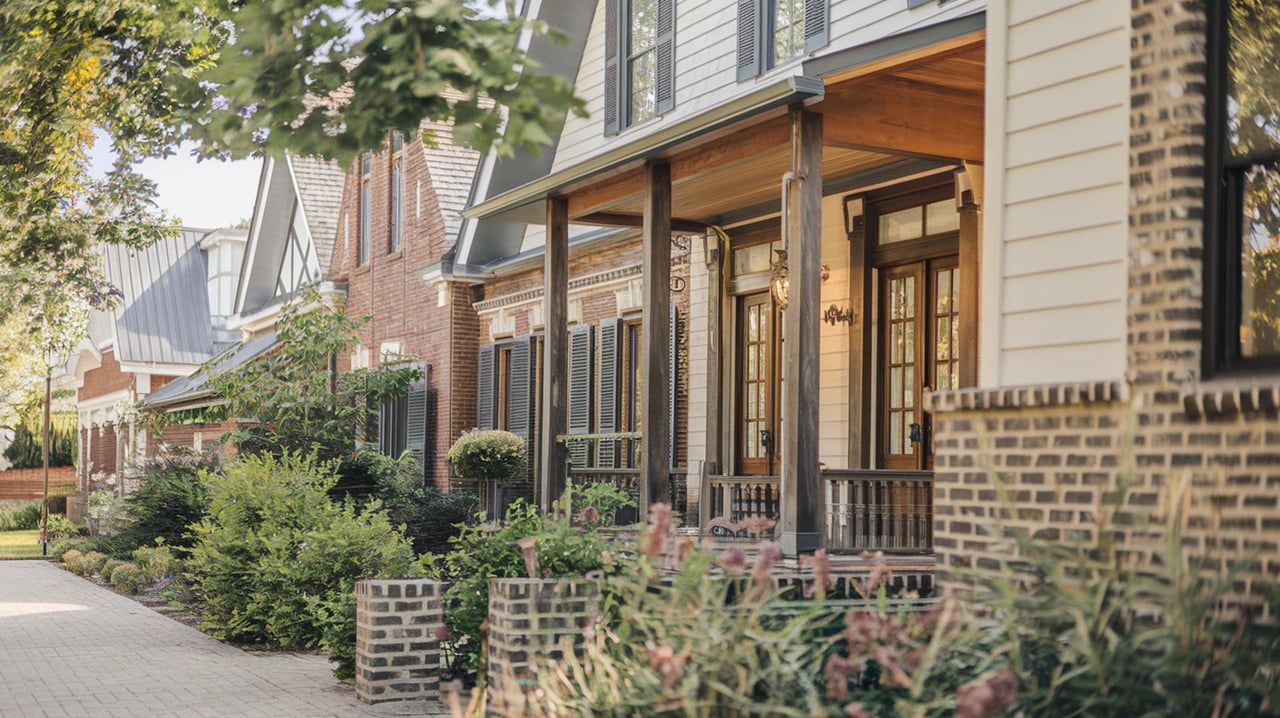
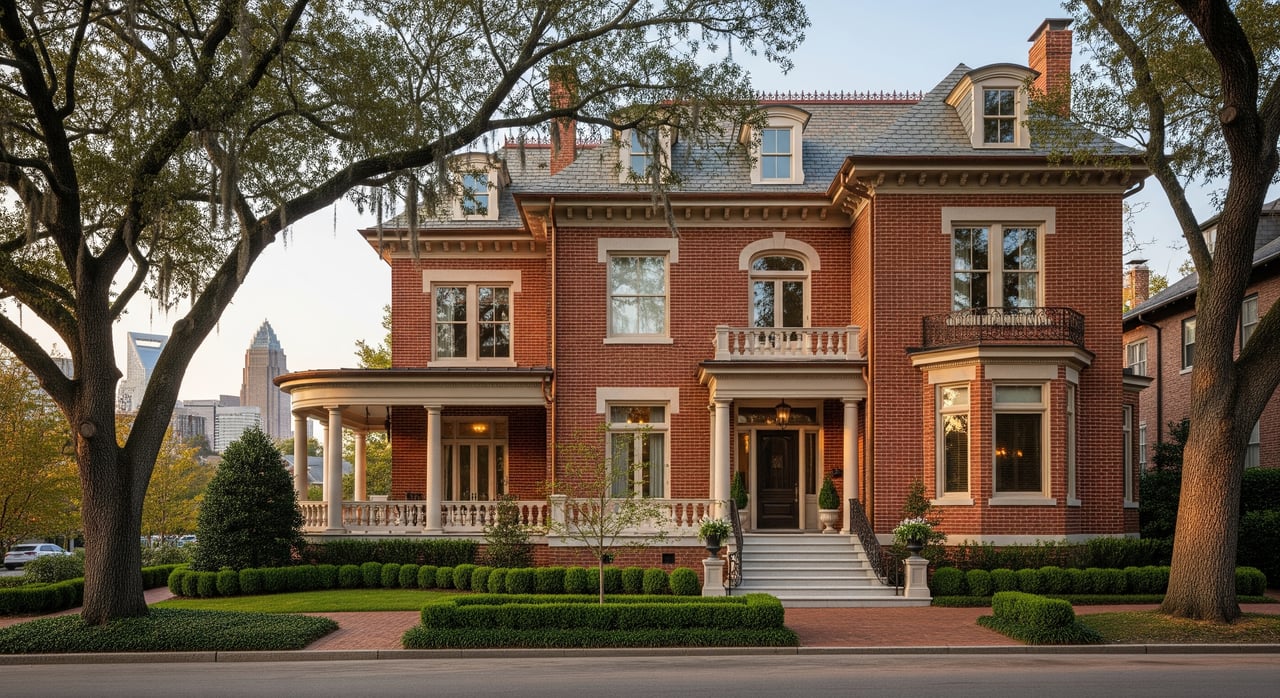
If you want a walkable setting and local restaurants, the historic core and downtown-adjacent streets offer renovated older homes on smaller lots. You trade yard size for character and proximity to shops, services, and community events.
Established suburban pockets
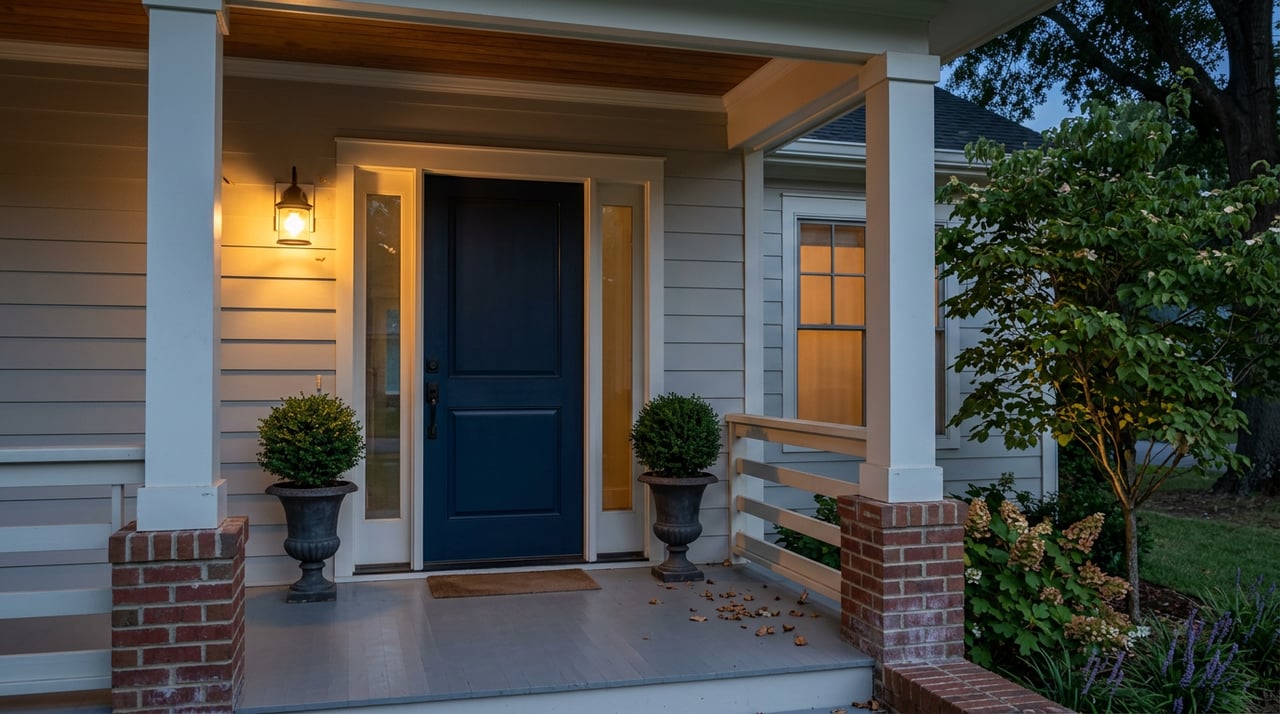
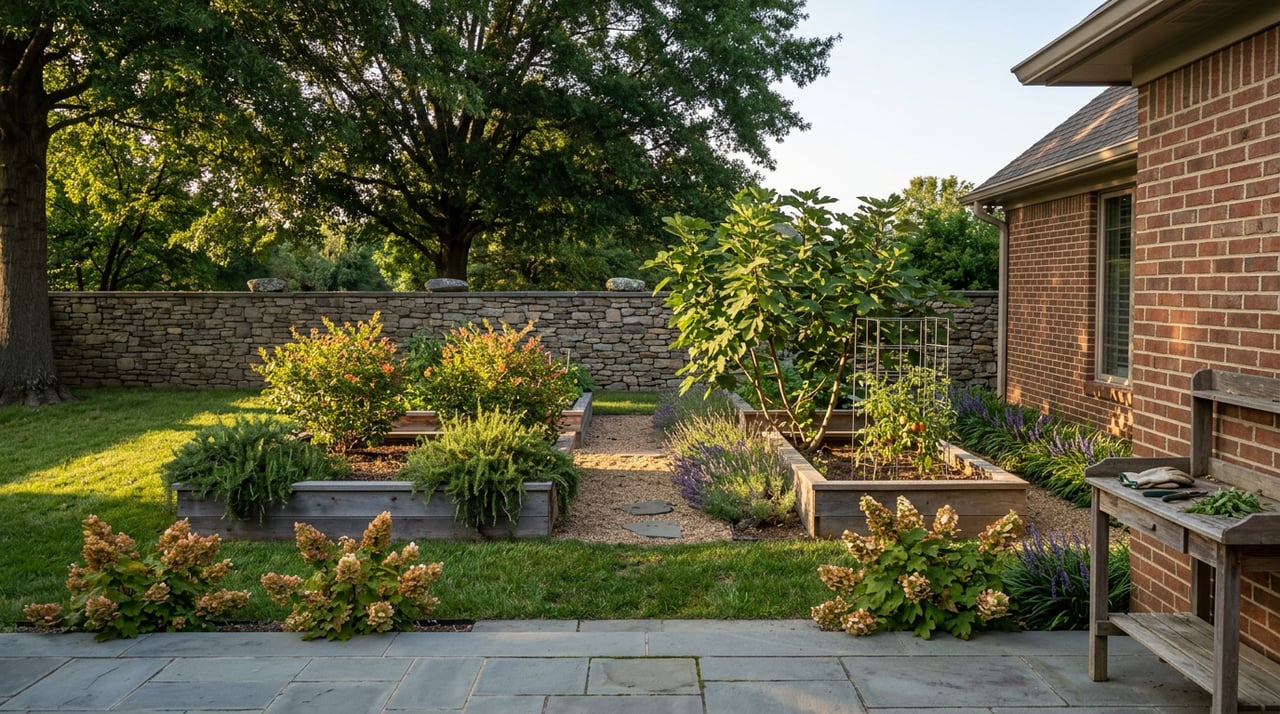
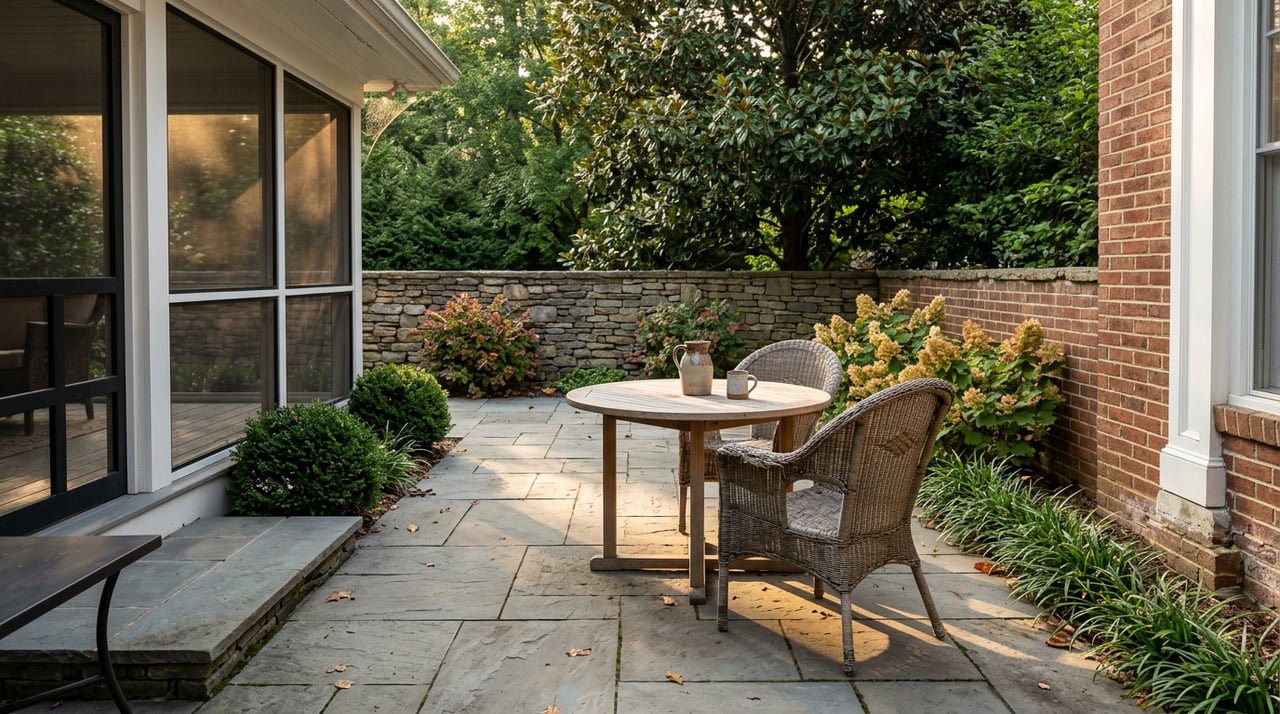
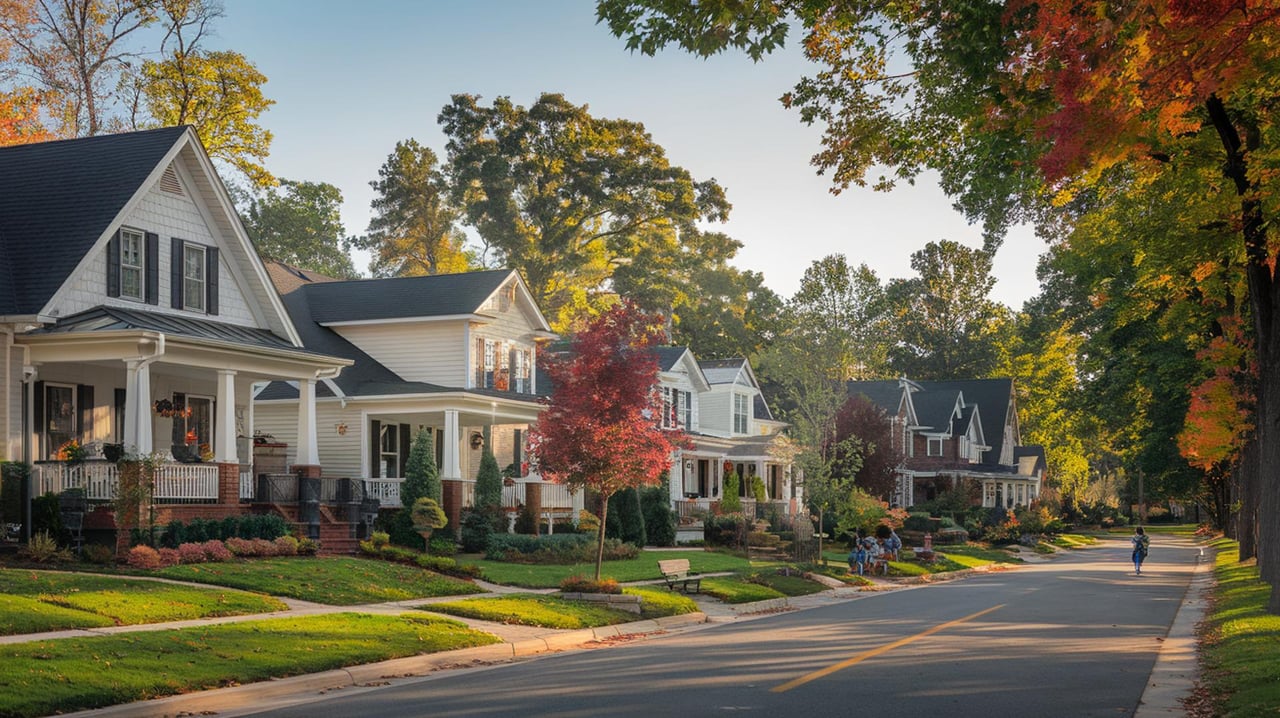
Neighborhoods with mature trees and larger lots are common in Concord’s established suburban areas. Buyers often target these when they want a half-acre-plus yard, flexible floor plans, and the ability to add outdoor living or an addition. Many homes here have been updated over time.
New subdivisions and master-planned
Prefer modern layouts and turnkey living? Newer communities in and around Concord deliver open main levels, multi-car garages, and popular features like main-level suites and bonus rooms. You’ll often find HOA amenities and predictable finishes, which helps if you value low maintenance and consistency.
Country-club and estate areas
Smaller in footprint but high on space and privacy, these pockets offer larger lots, custom builds, and proximity to club amenities. Expect pricing to reflect lot size, finishes, and location.
Schools and employers snapshot
Most Concord addresses are served by Cabarrus County Schools. Assignments vary by property and can change, so confirm the current school for each listing and review state performance data to inform your decision. You can find an overview of the district and its schools through this Cabarrus County Schools resource.
On the jobs front, Concord’s growth story includes major private investment and stable healthcare anchors. Eli Lilly opened a parenteral manufacturing campus in mid-2024, bringing hundreds of local jobs and long-term investment to the area. Atrium Health Cabarrus, motorsports employers, and the Charlotte Motor Speedway complex add to a diverse employment base that supports local housing demand.
- Read more about the Eli Lilly manufacturing campus in Concord.
Taxes and carrying costs
Understanding property taxes helps you set a complete monthly budget. For FY2026, the City of Concord’s property tax rate is 42 cents per $100 of assessed value. Cabarrus County’s rate is 57.6 cents per $100 for FY25–26. Your total bill reflects the combined county and city rates plus any special district charges.
- City of Concord FY2026 budget and tax rate: official update
- Cabarrus County FY25–26 budget and tax rate: official update
Example: On a $500,000 assessed value, the combined city and county rates total $0.996 per $100. That equals about $4,980 annually before any special districts. Always check the current assessment and confirm the full tax bill during due diligence, and review HOA dues if you are considering a community with amenities.
Amenities and lifestyle
Concord balances suburban space with access to shopping, dining, and entertainment. Concord Mills is a major retail draw with outlets, restaurants, and everyday services. The Charlotte Motor Speedway complex hosts events throughout the year. Downtown Concord continues to revitalize with restaurants and arts programming, giving you more local options without driving into Charlotte.
- Explore the retail and dining mix at Concord Mills
Is Concord right for you? A checklist
Use this quick list to align your wish list with what Concord offers.
- Budget and size: If you want 3,000-plus square feet or a larger lot, plan for mid-$300Ks to $600K-plus depending on neighborhood, age, and finishes. Larger lots and updated homes tend to push the higher end of the range.
- Commute tolerance: Agree on a one-way target, like 30 vs 45 minutes. Concord’s mean commute is about 27.8 minutes citywide, and off-peak runs to Uptown can be about 30 to 35 minutes. Test your route at the time you will actually drive. Census commute data and a distance estimate can guide your plan.
- Lot and layout: For bigger yards and room to expand, lean into established suburban pockets and estate areas. For turnkey living with modern plans and less yard work, look at newer subdivisions and townhome communities.
- Schools: Confirm the exact school assignment for each address and review state-reported metrics for context. Start with a district overview, then verify details during due diligence.
- Taxes and fees: Use the current city and county rates to model your annual tax bill and monthly escrow. Add HOA dues where applicable so your budget reflects the full cost of ownership.
- Resale and trajectory: Large employers like Eli Lilly support local demand and long-term confidence. Established neighborhoods often show durable appeal, while newer subdivisions benefit from modern features and warranties.
- Timing and logistics: If you are selling to buy, plan for overlap options and understand new construction timelines versus resale. Line up pre-approval and inspection strategies early so you can move when the right home hits the market.
How we help move-up buyers
You deserve a plan that fits your goals and timeline. Here’s how a broker-led approach streamlines your next step.
- Pricing clarity: We calibrate your budget to local price bands by neighborhood, lot size, and condition so you focus on homes that actually fit.
- Neighborhood short list: We match your space and yard goals to the right subareas, then refine based on commute tests and daily routines.
- New construction expertise: From plan selection to option packages and timelines, we help you compare builder offerings and warranties with resale value.
- Sell-to-buy strategy: We map your sale timing, prep, and marketing to support your purchase, minimizing stress and avoiding double moves where possible.
- Due diligence: We guide you through inspections, HOA reviews, tax estimates, and closing details so there are no surprises.
Ready to see if Concord fits your next chapter? Connect with David Wishon to create a clear, local plan for your move-up search.
FAQs
What price range buys a larger yard in Concord?
- In established suburban and estate-style pockets, expect pricing from the mid-$300Ks to $600K-plus depending on lot size, updates, and proximity to amenities. Larger lots and recent renovations typically command more.
How long is the commute from Concord to Uptown Charlotte?
- Off-peak, many drivers see about 30 to 35 minutes for the roughly 20 to 25 miles. Rush-hour trips can run longer, so test your specific route during your normal commute window.
Are there public transit options in Concord?
- Transit is limited compared with inner suburbs. CK Rider serves local routes in Cabarrus County, and some regional connections interface with CATS. Most residents still drive for daily commuting.
How do property taxes work in Concord?
- Your bill combines the Cabarrus County rate and the City of Concord rate per $100 of assessed value, plus any special districts. For FY25–26, county is 57.6 cents and city is 42 cents per $100. Verify your current assessment to estimate the total.
Which Concord neighborhoods are best for move-up homes?
- It depends on your priorities. Established areas often offer larger lots and mature trees, while newer communities provide modern plans and amenities. We help you build a short list based on yard size, layout, and commute.
What local amenities draw buyers to Concord?
- Concord Mills offers major retail and dining, the Charlotte Motor Speedway hosts events, and downtown Concord continues to add restaurants and arts. Many buyers like the balance of suburban space with nearby activities.