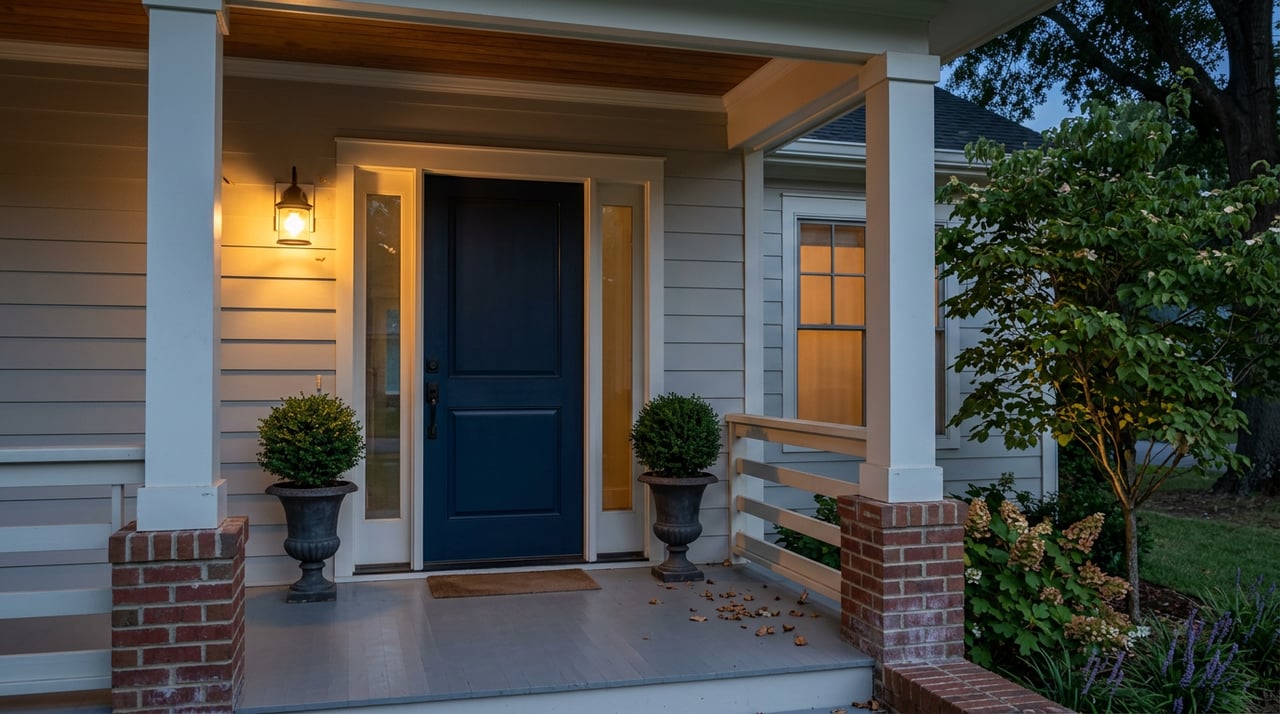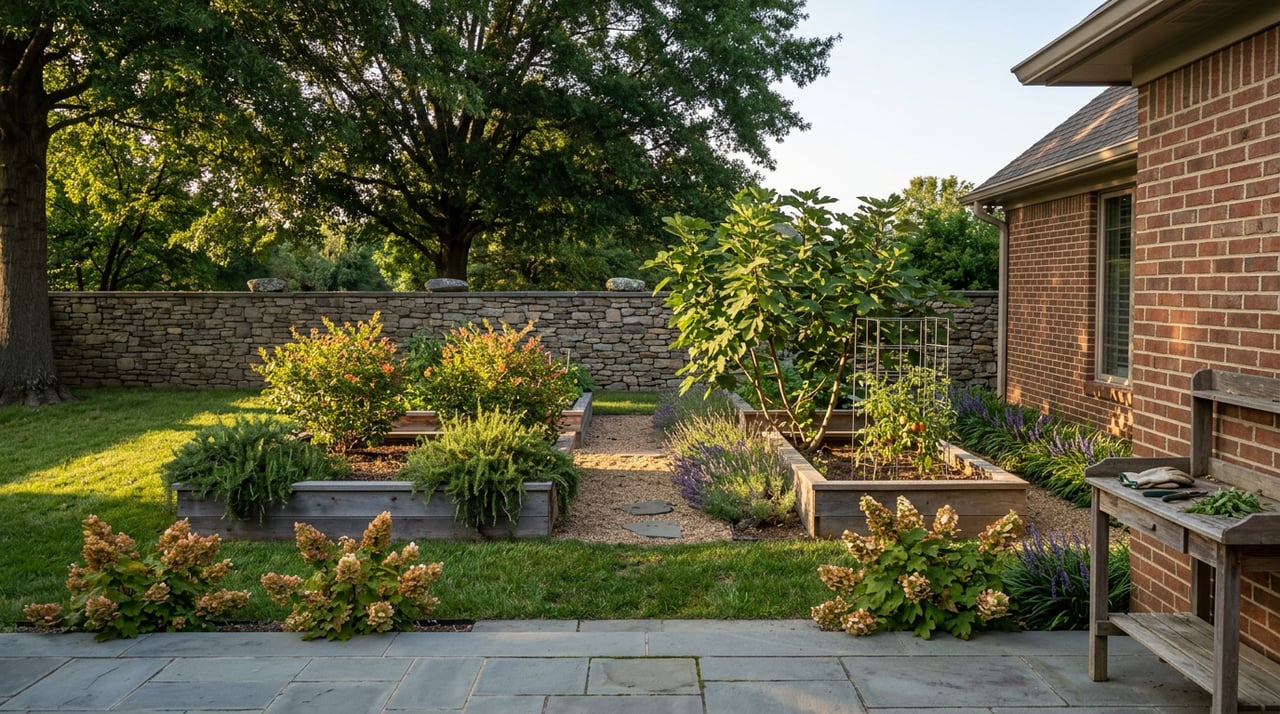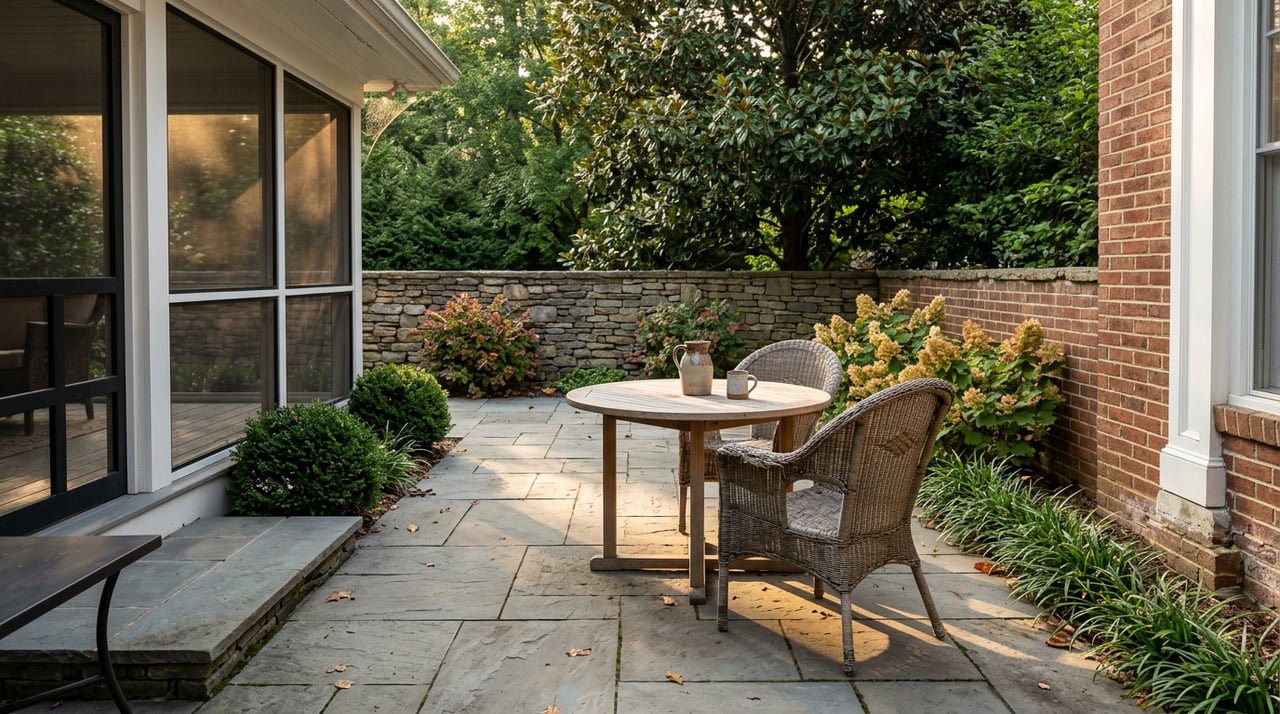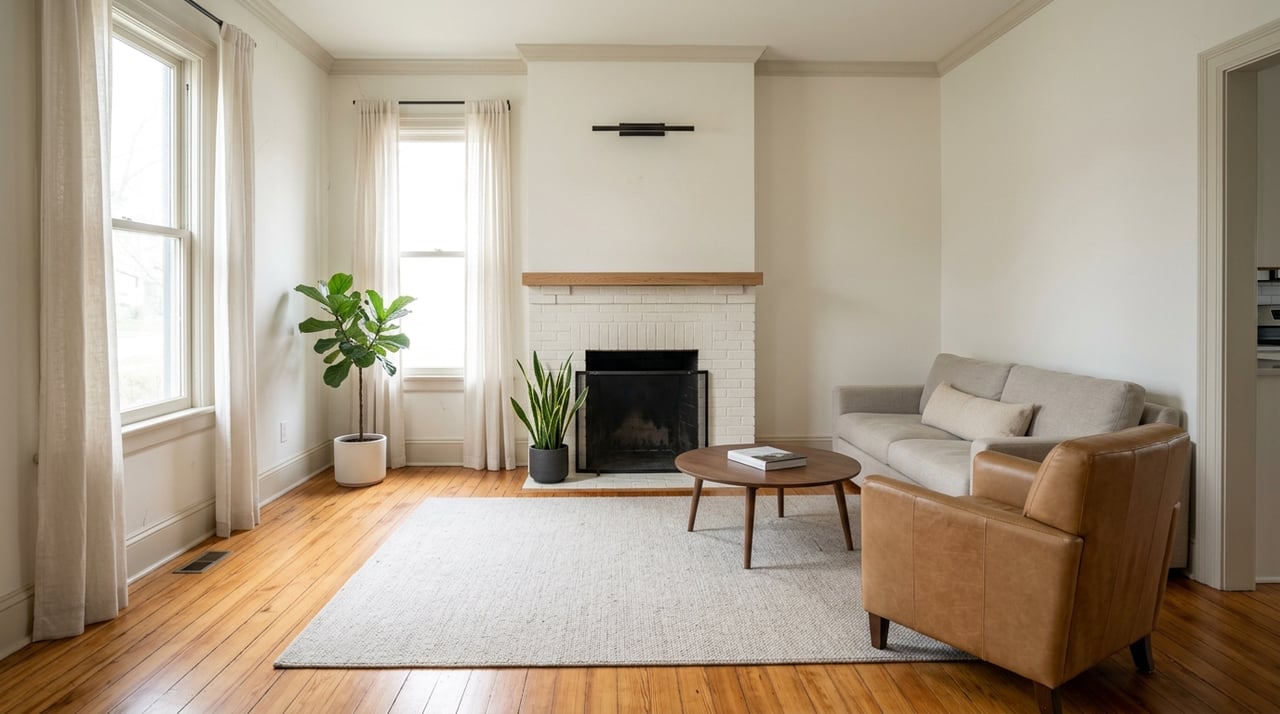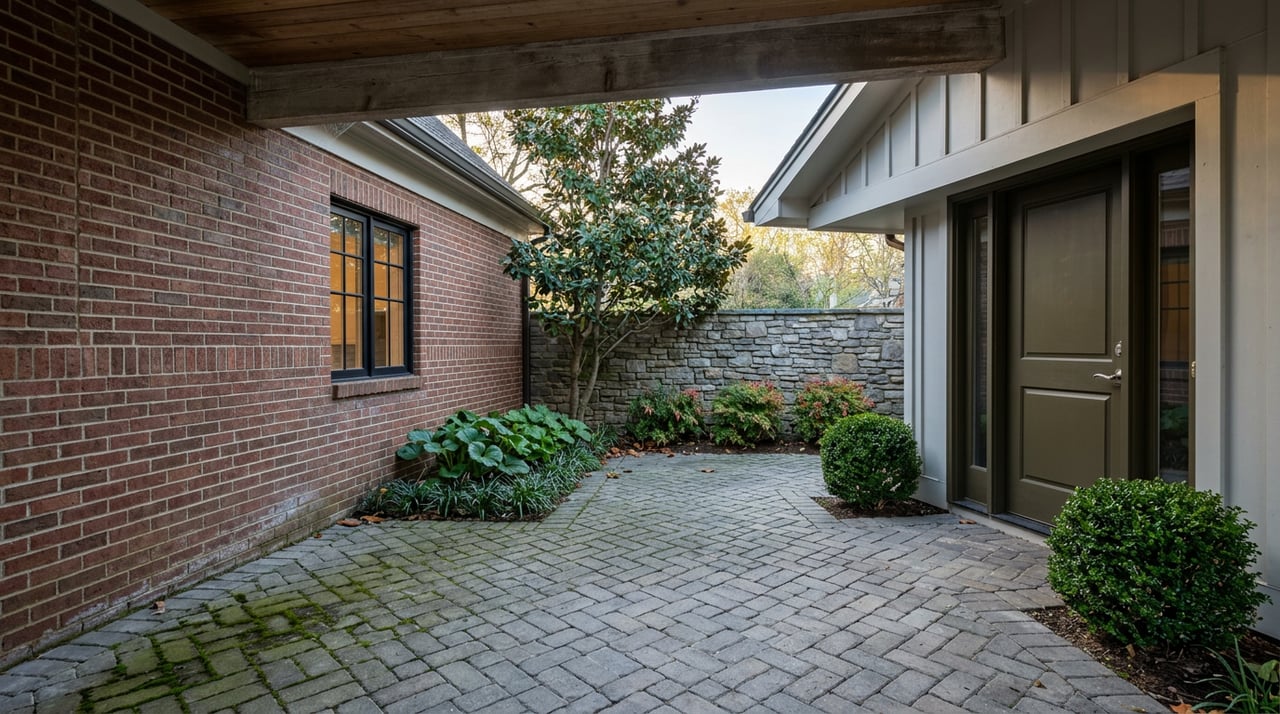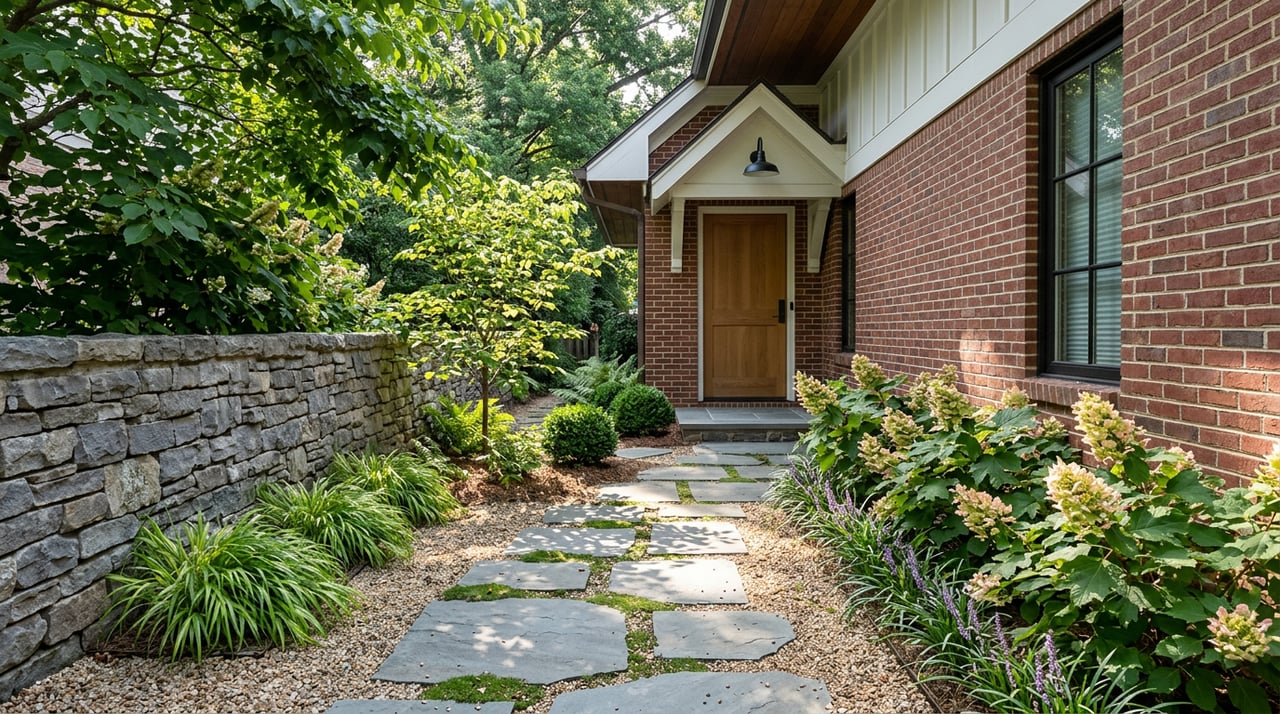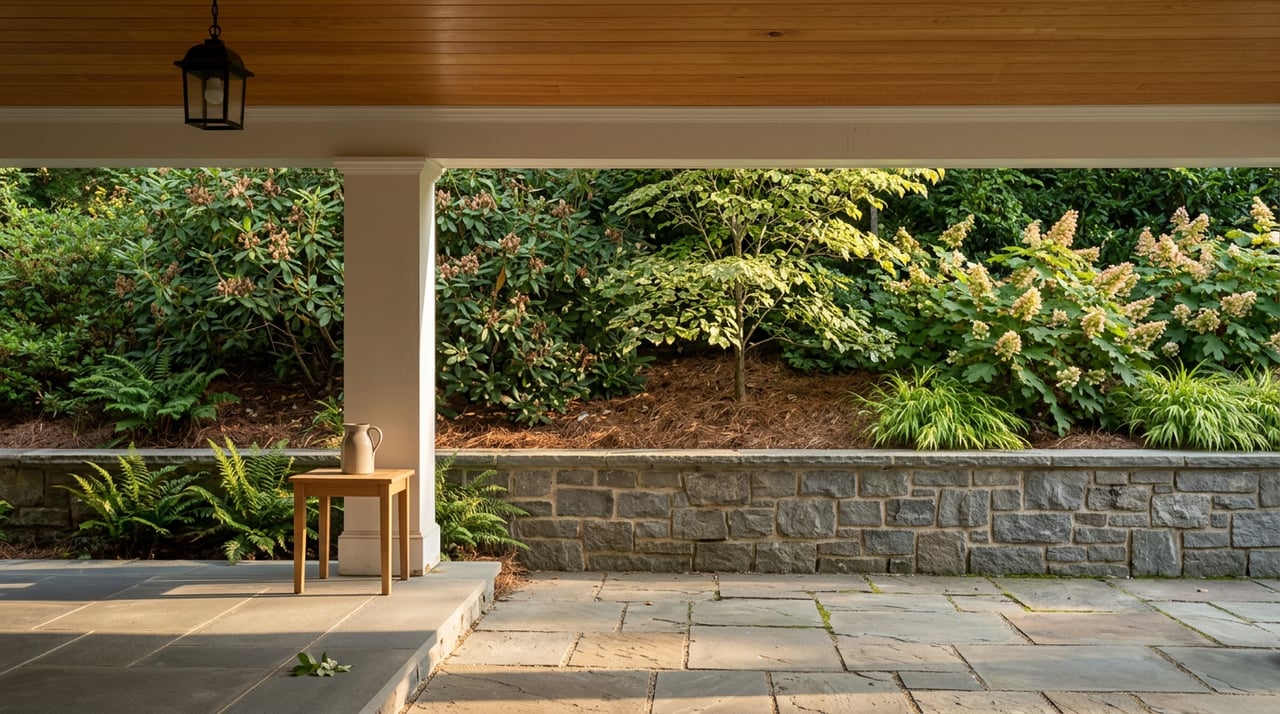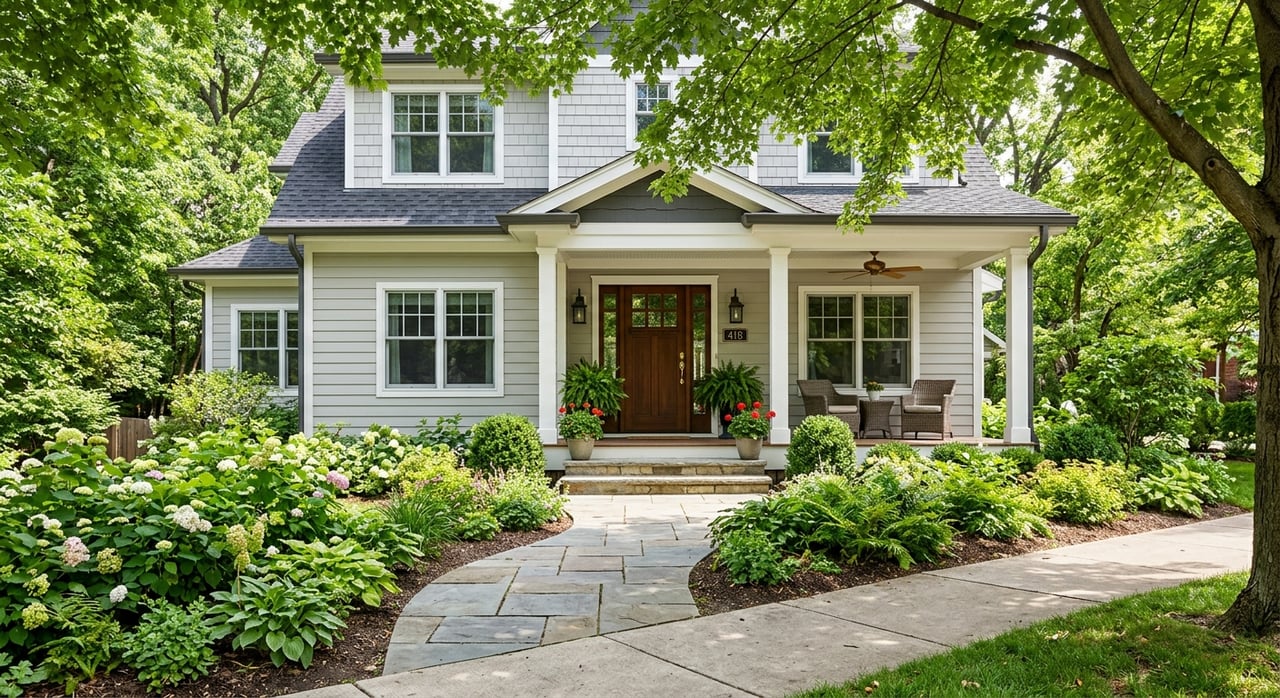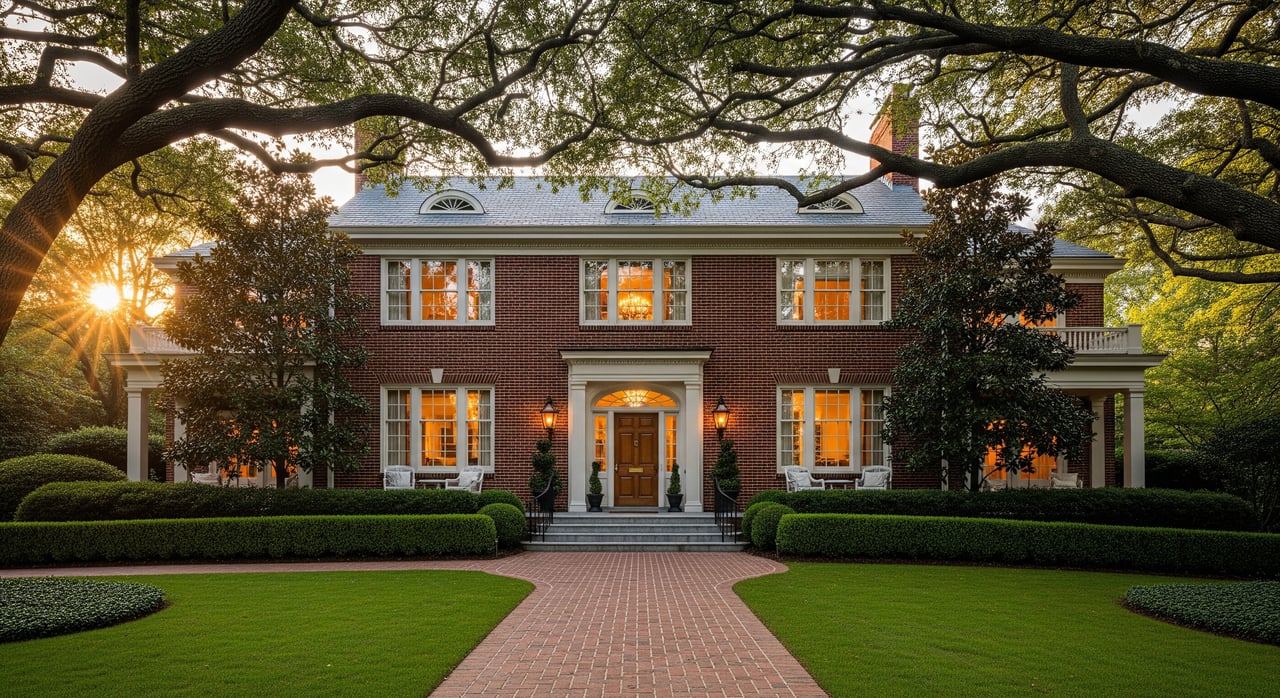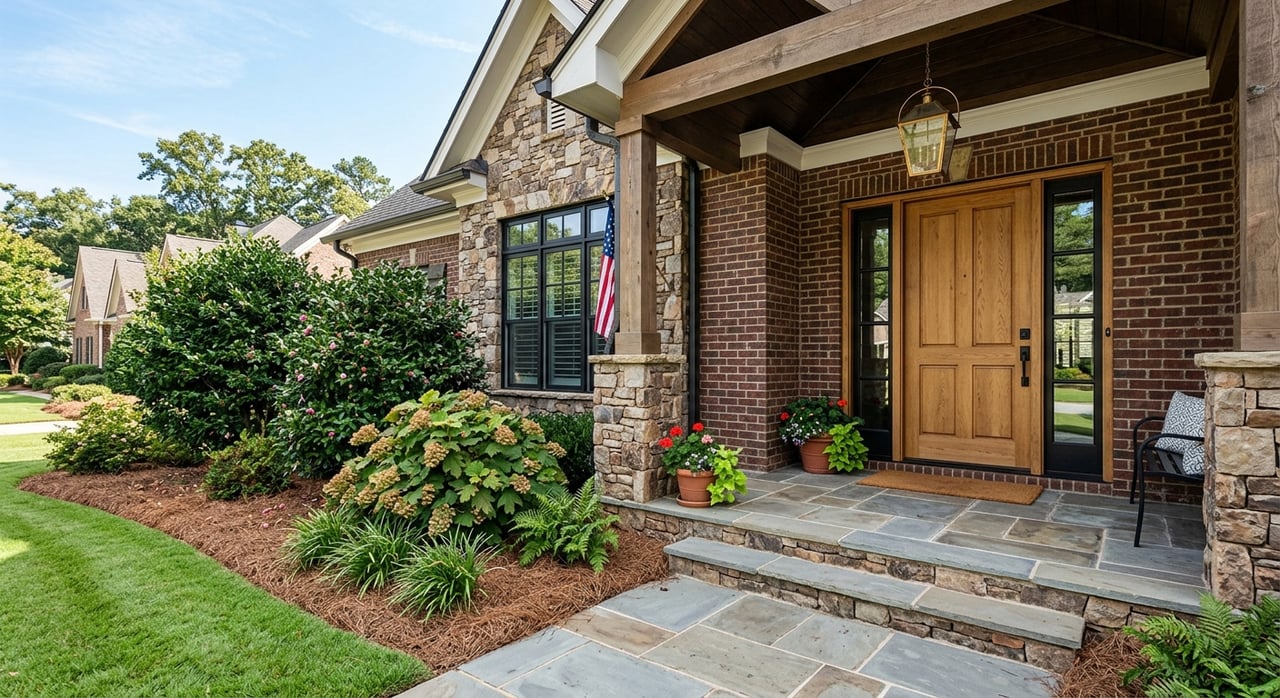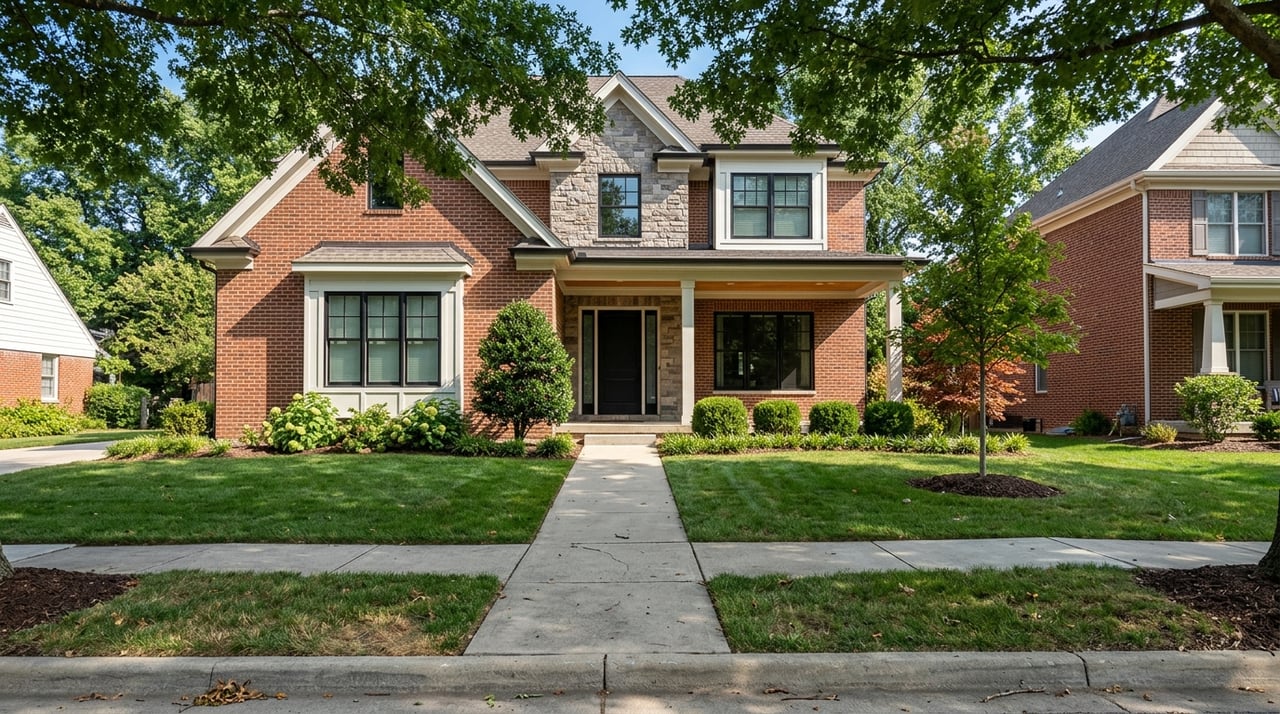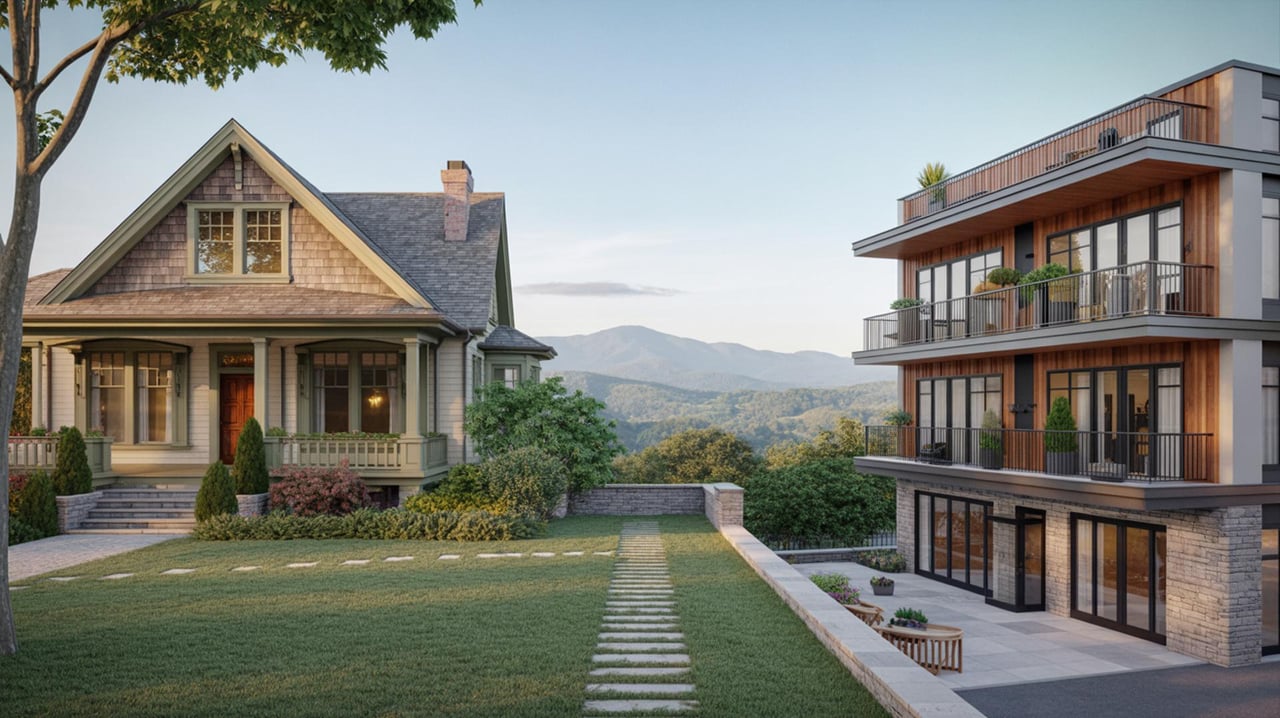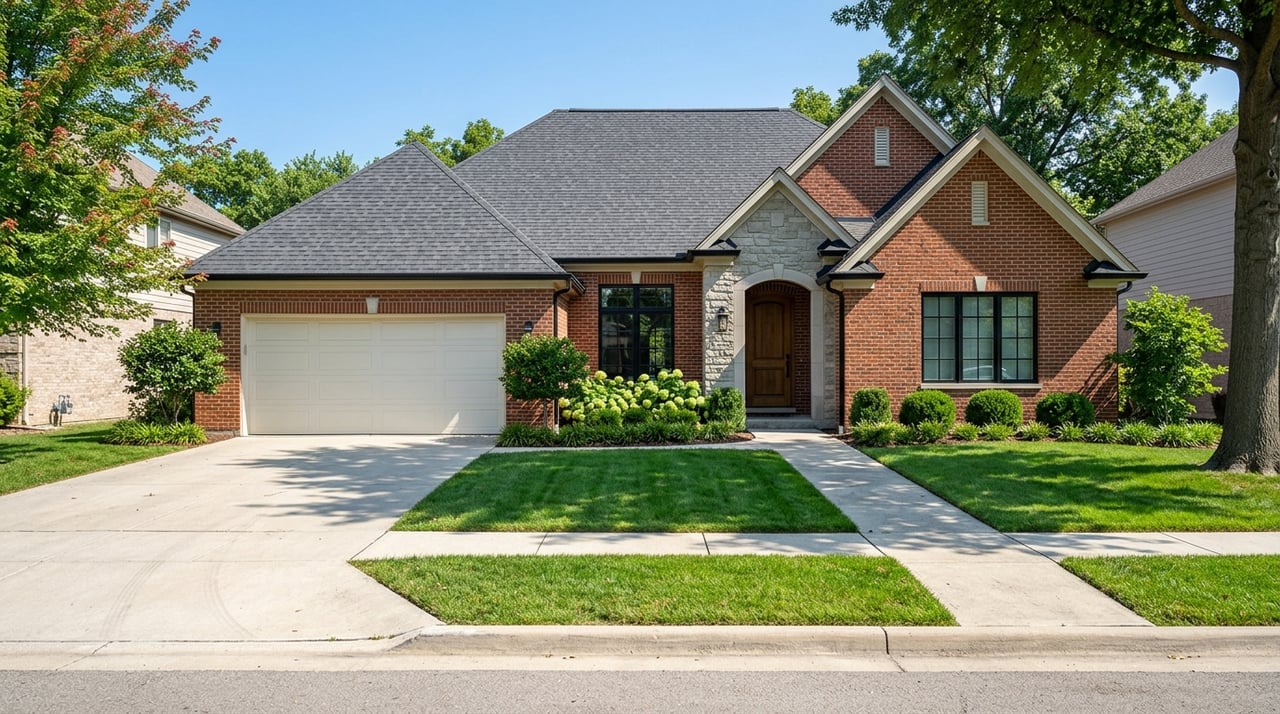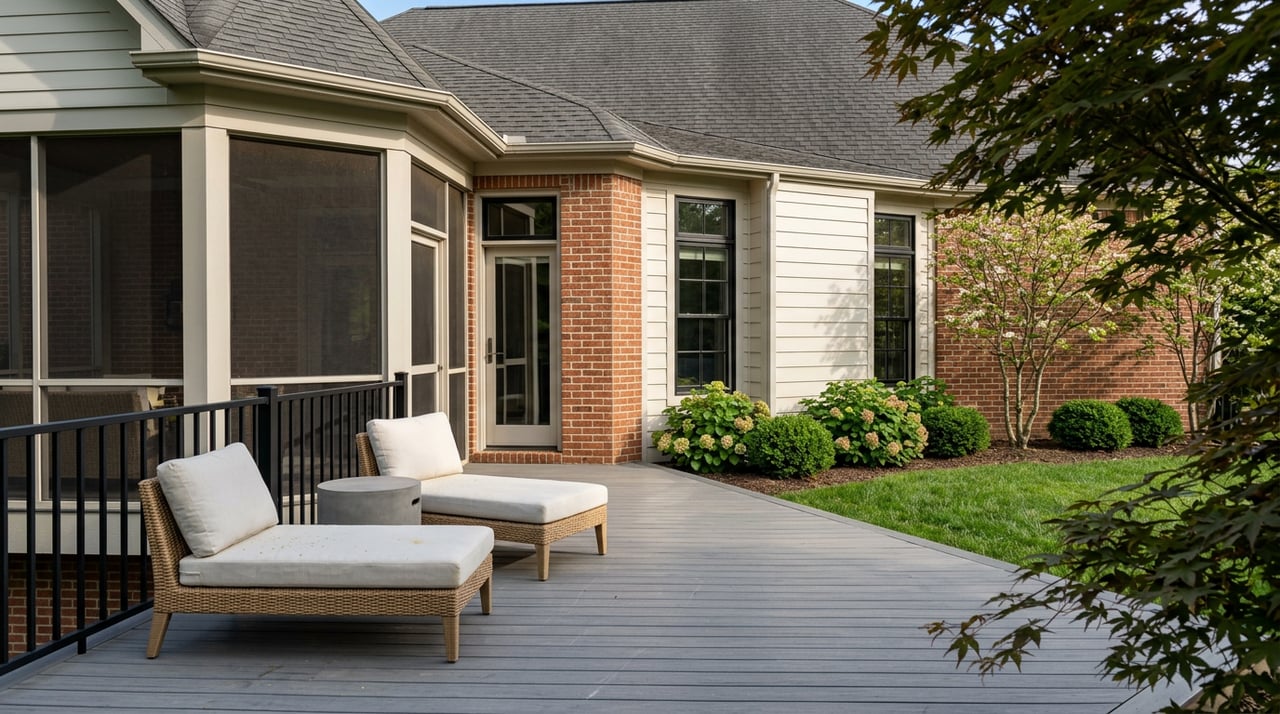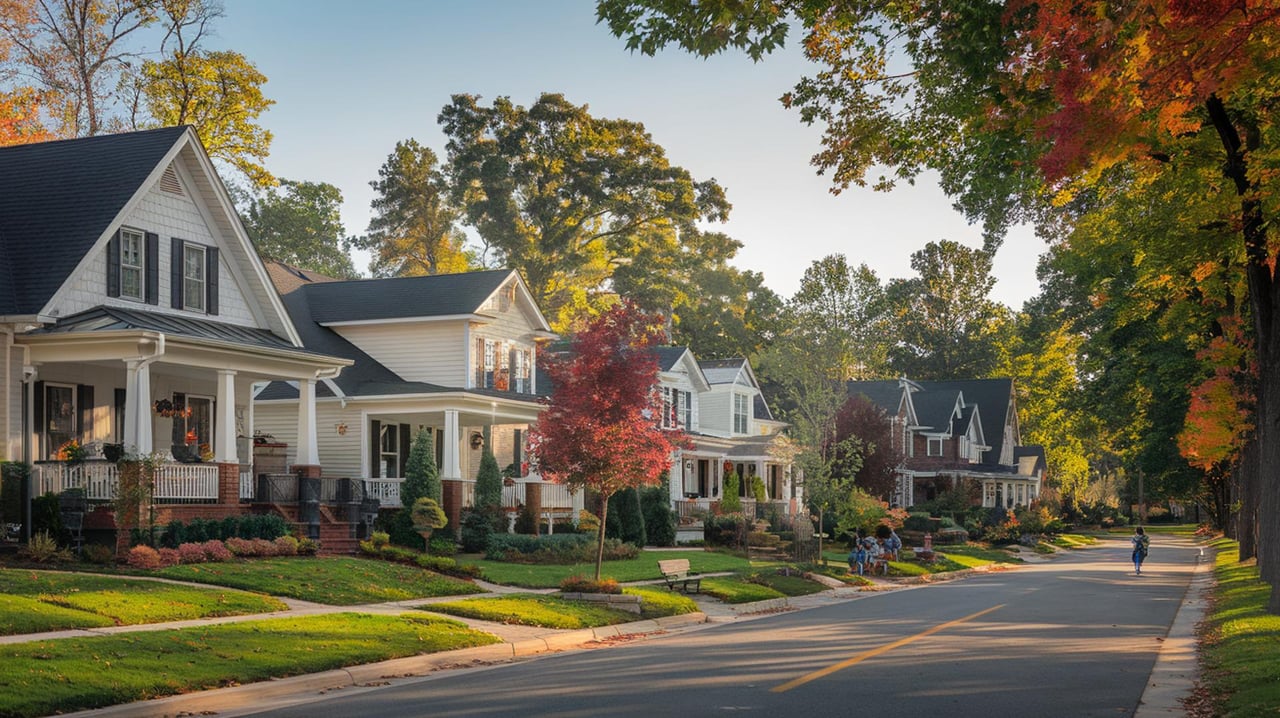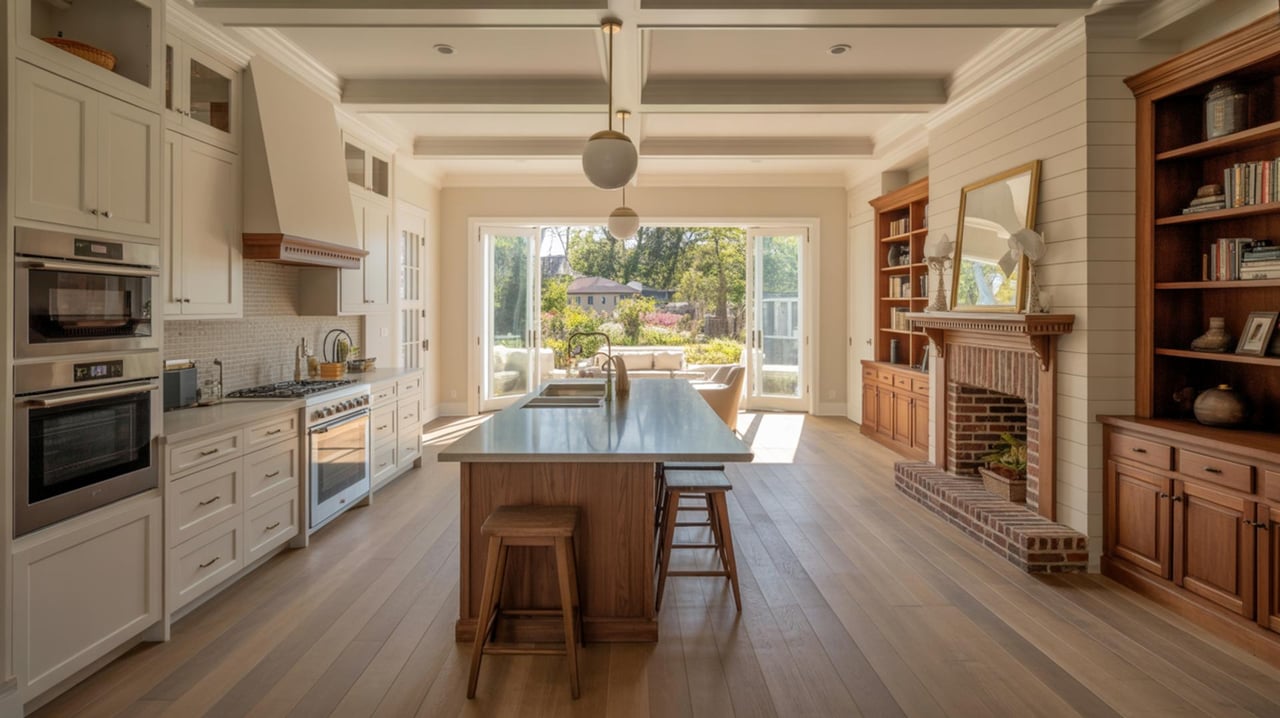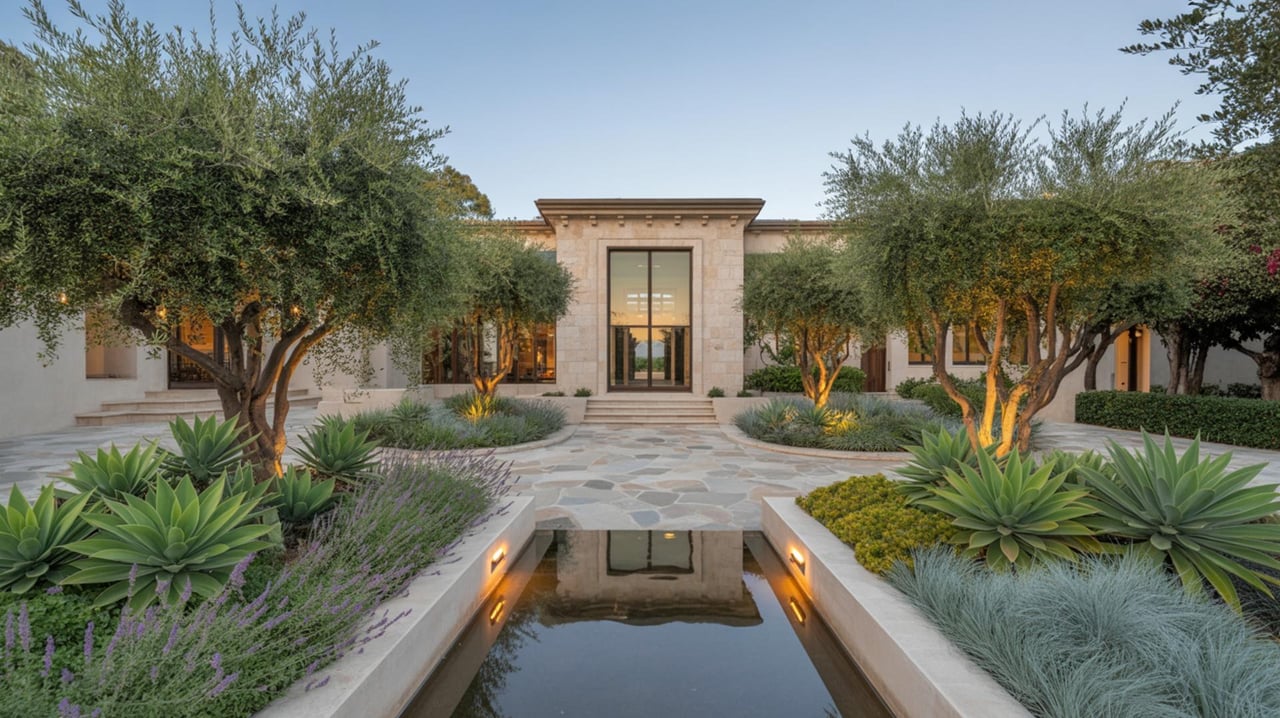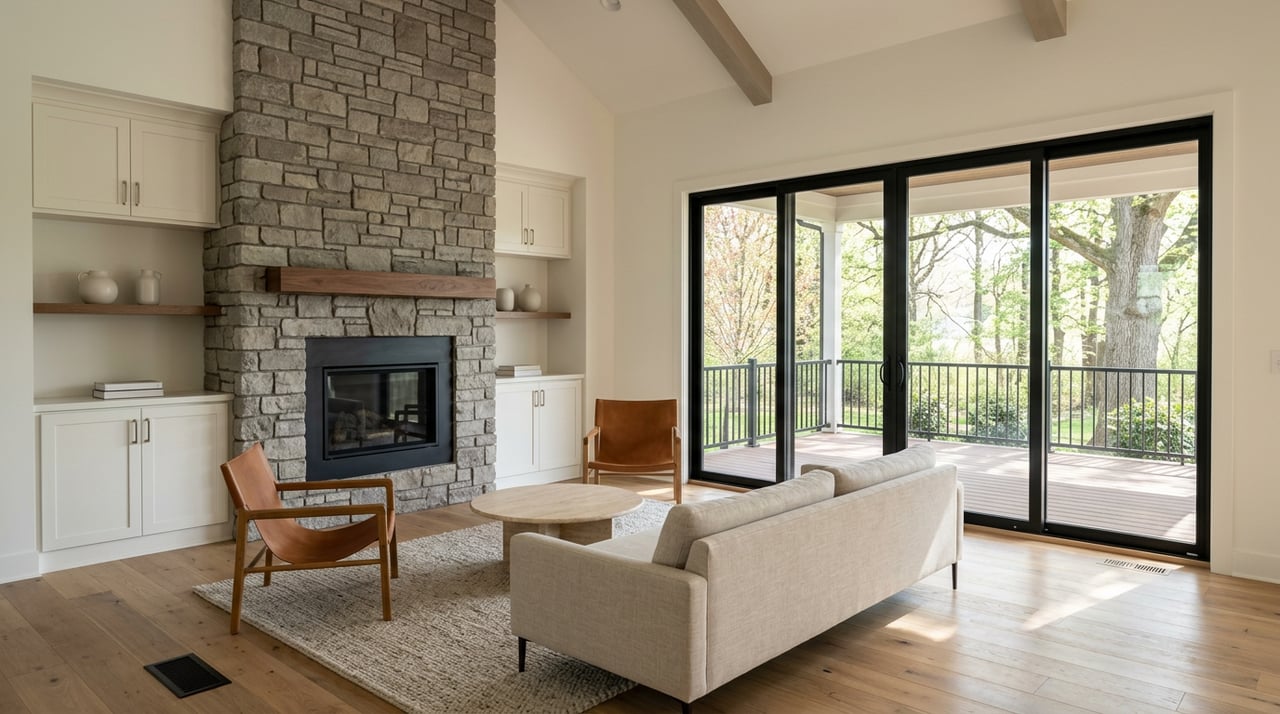
Picture morning light over the Blue Ridge, coffee on a covered deck, and an easy drive to creative neighborhoods and trailheads. If you are weighing a move to Asheville, you are not alone. Buyers are drawn to the city’s blend of outdoor living, design-forward homes, and a market that now offers more choice than a few years ago. In this guide, you will learn what the Asheville market looks like today, how “modern mountain” homes differ by area, the due diligence steps that matter in the mountains, and smart tactics to tour and win the right home. Let’s dive in.
Asheville market snapshot
Asheville and greater Buncombe County moved toward a more balanced market at the end of 2025, with inventory up and months of supply around the five-month range, according to a regional MLS summary from the Canopy Realtor Association. You can review that overview in the association’s press release on steady demand and growing balance across Western North Carolina. See the Canopy market summary.
Pricing signals vary by provider because some track closed sales, others track list price, and still others use modeled home values. For example, Redfin’s February 2026 snapshot reported a median sale price near $477,500 for Asheville and longer days on market compared with the prior year. Zillow’s Home Value Index for Asheville showed an average home value near $449,000 as of January 31, 2026. Listing-based medians, like those on Realtor.com, often read higher because they reflect active listings rather than closed sales. The key is to note the provider and the date when you compare numbers.
To align your search with what is happening this week, ask your agent for the latest Canopy MLS or ShowingTime activity report. It provides a live read on new listings, pendings, and days on market for the Asheville region. Check the latest regional snapshot.
What this means for you
- You can expect more selection than in the tight 2020 to 2022 period.
- Micro-markets differ. In-town historic pockets and unique view homes can still draw strong interest.
- In many segments, you may have room to negotiate on price, concessions, or timelines.
- Make decisions using fresh, neighborhood-level data rather than a single citywide median.
What “modern mountain” looks like
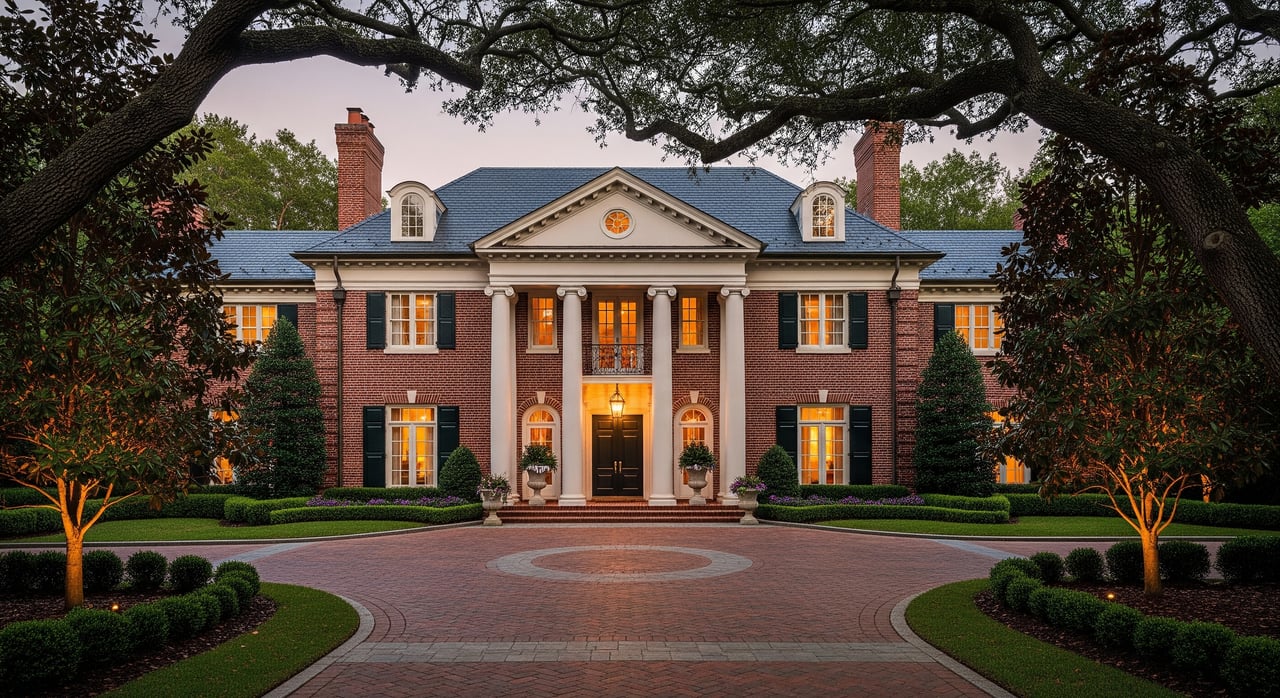
Asheville offers a wide spectrum of homes. Your lifestyle, commute preferences, and appetite for mountain maintenance will point you to the right pocket.
In-town classics
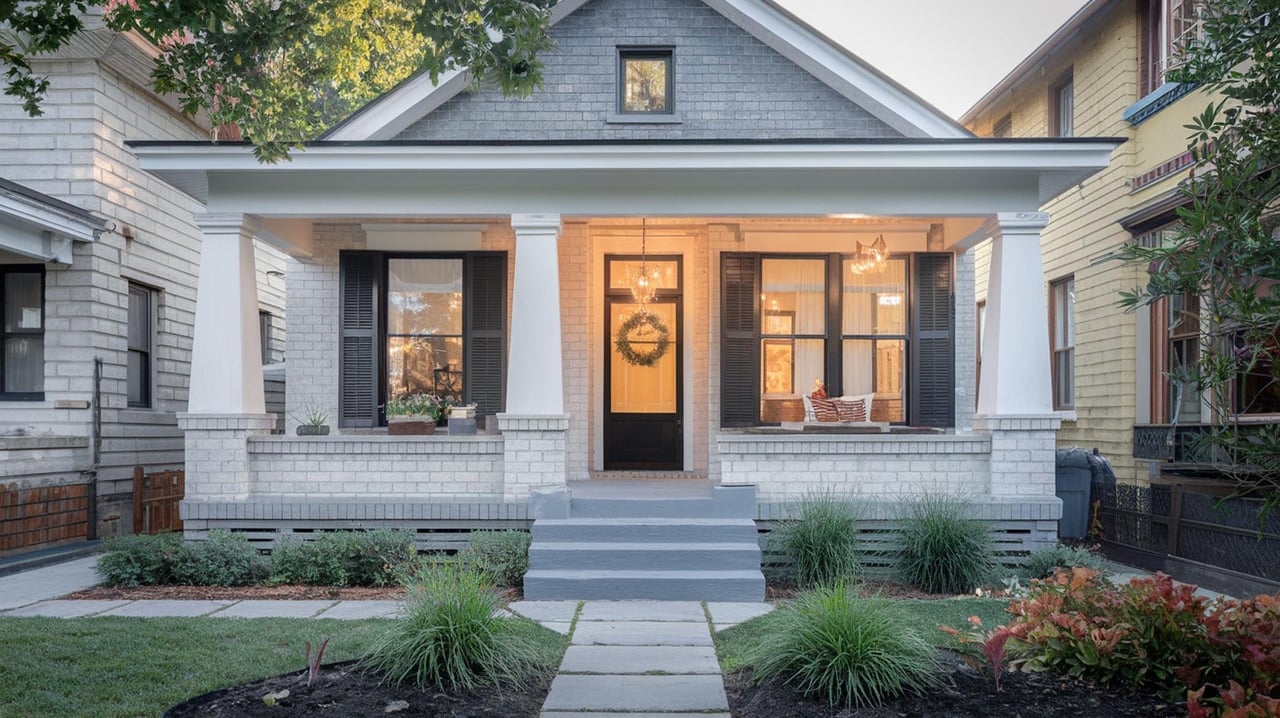
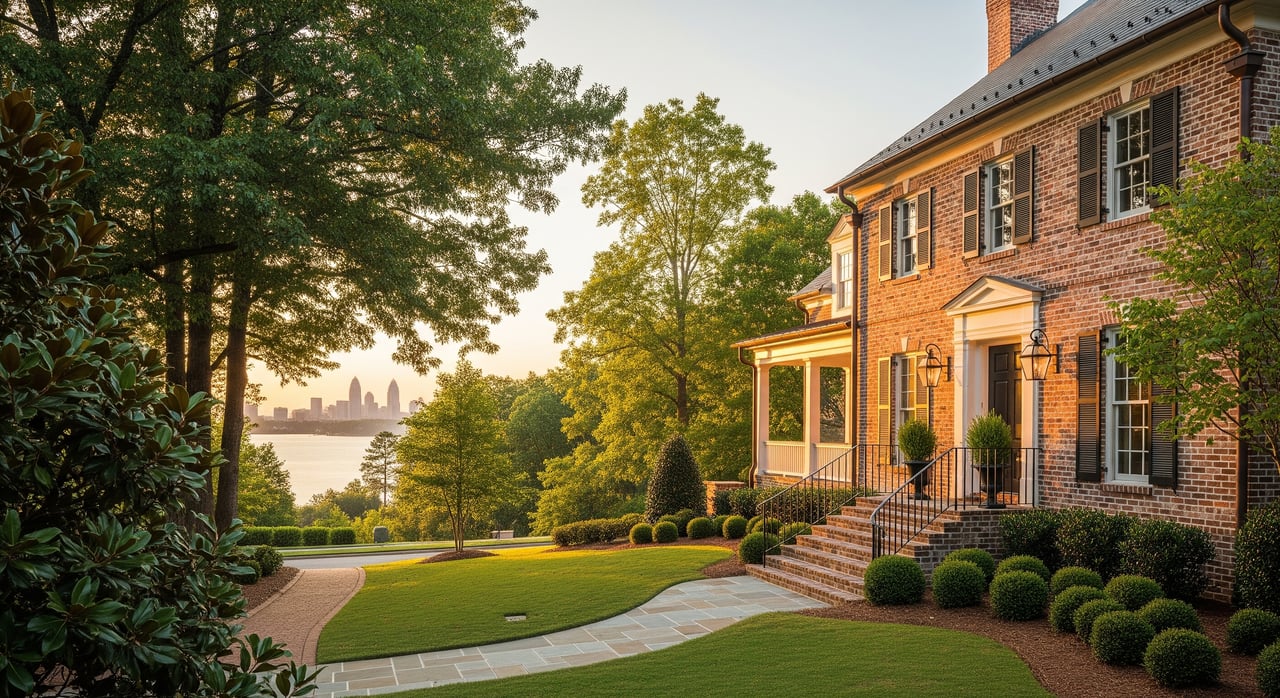
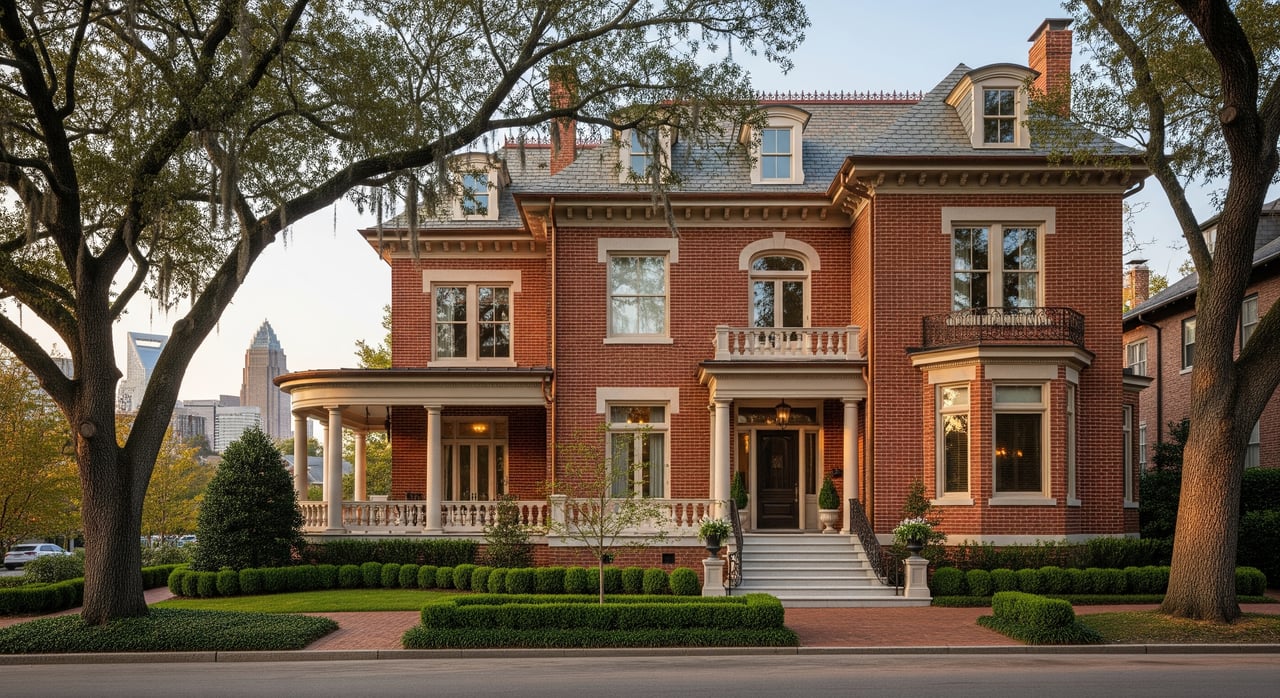
Neighborhoods near downtown and North Asheville feature historic bungalows, Craftsman, and period homes with large porches and mature landscaping. Many are on city water and sewer. These areas tend to have limited inventory and higher price per square foot thanks to location and character.
West Asheville and RAD
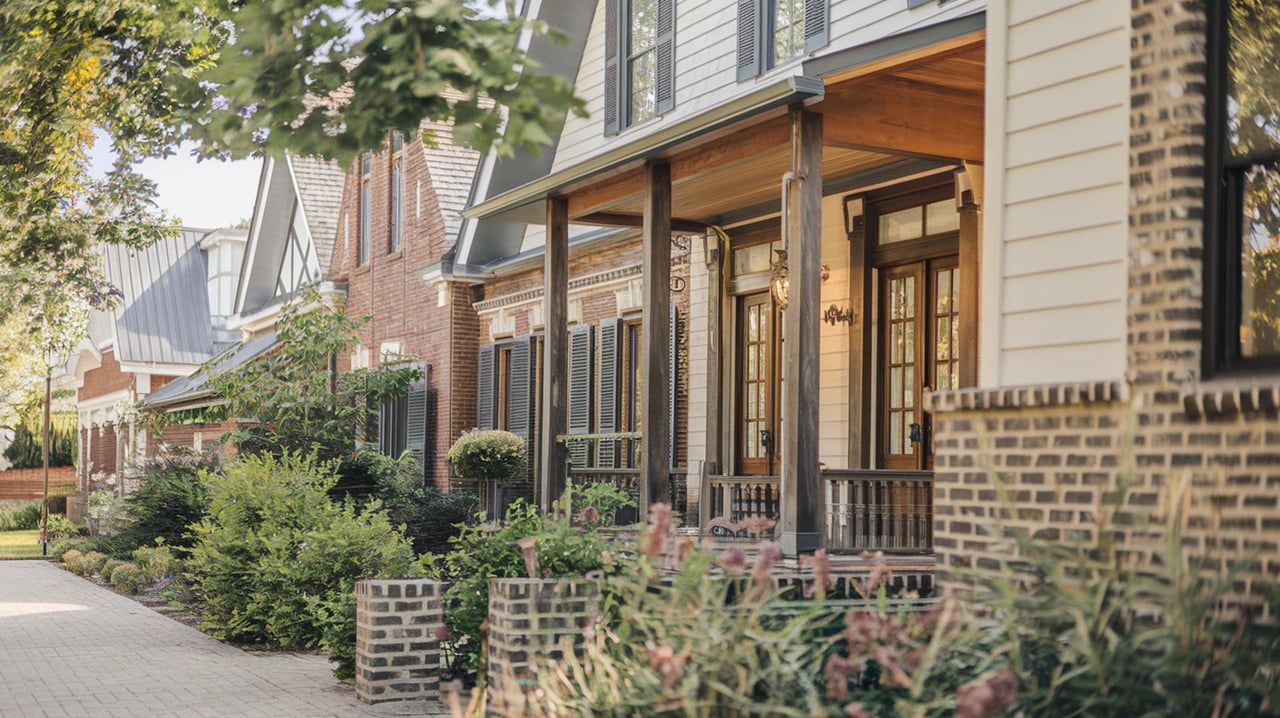
On Asheville’s west side and near the River Arts District, you will find renovated bungalows and smaller-lot homes close to cafés, greenways, and creative venues. If walkability and character matter most, this is a logical first stop.
Newer communities and mountain edge
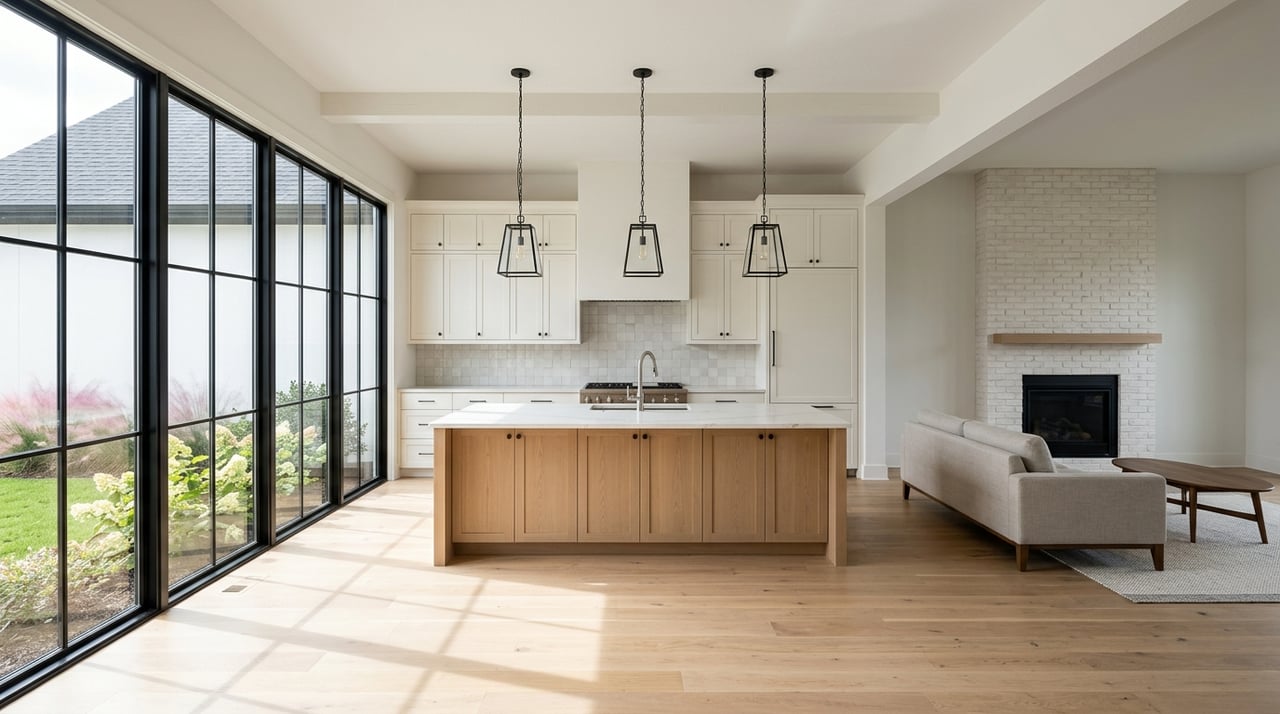
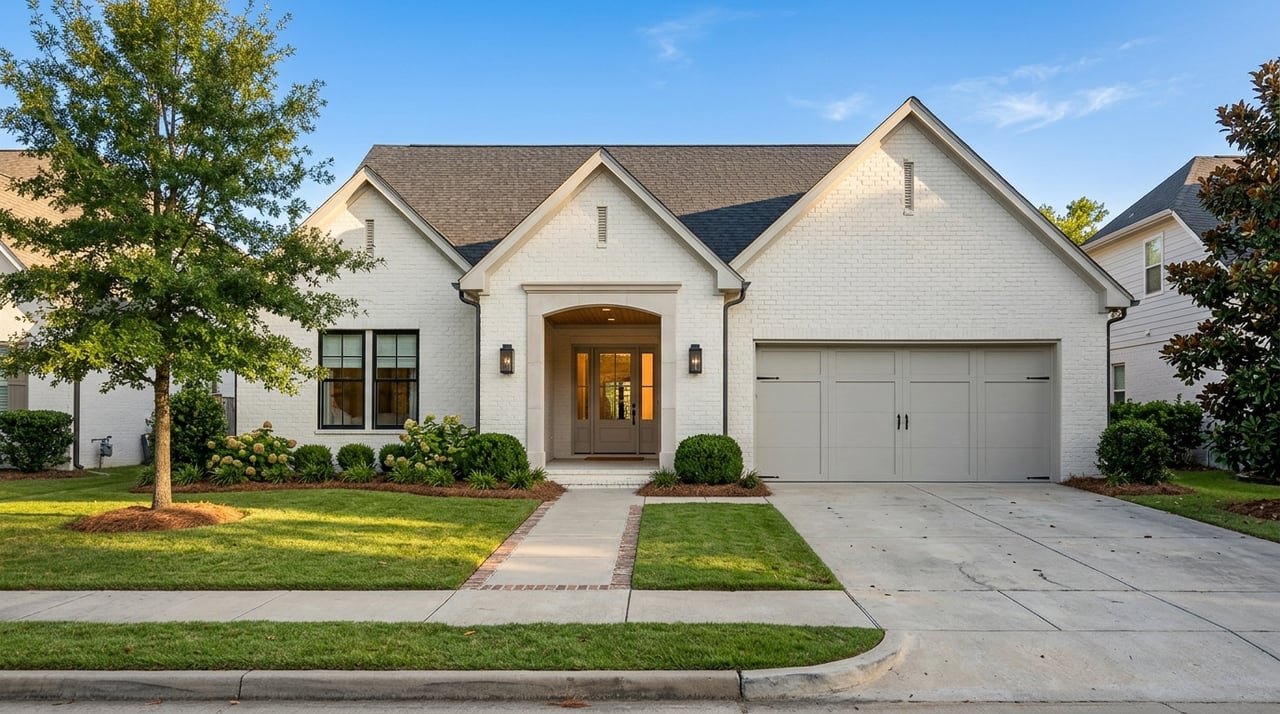
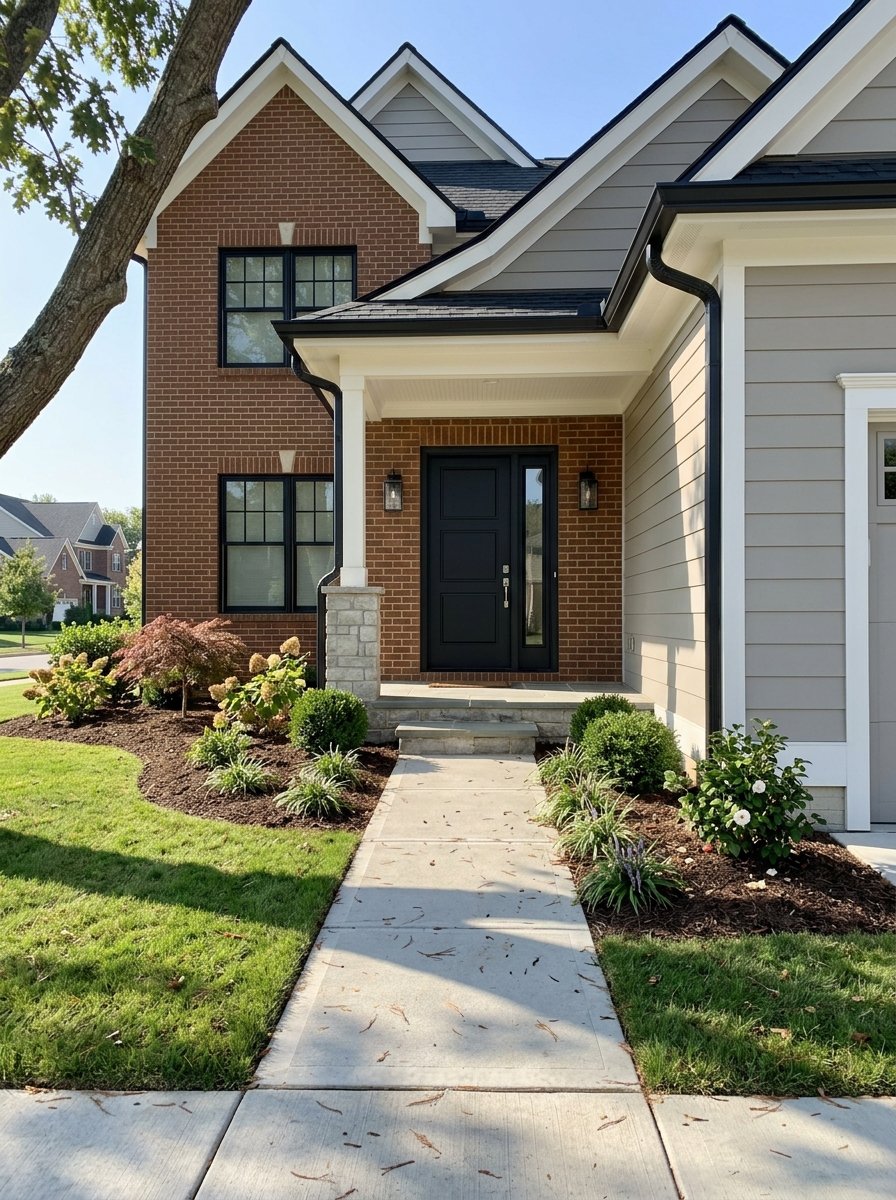
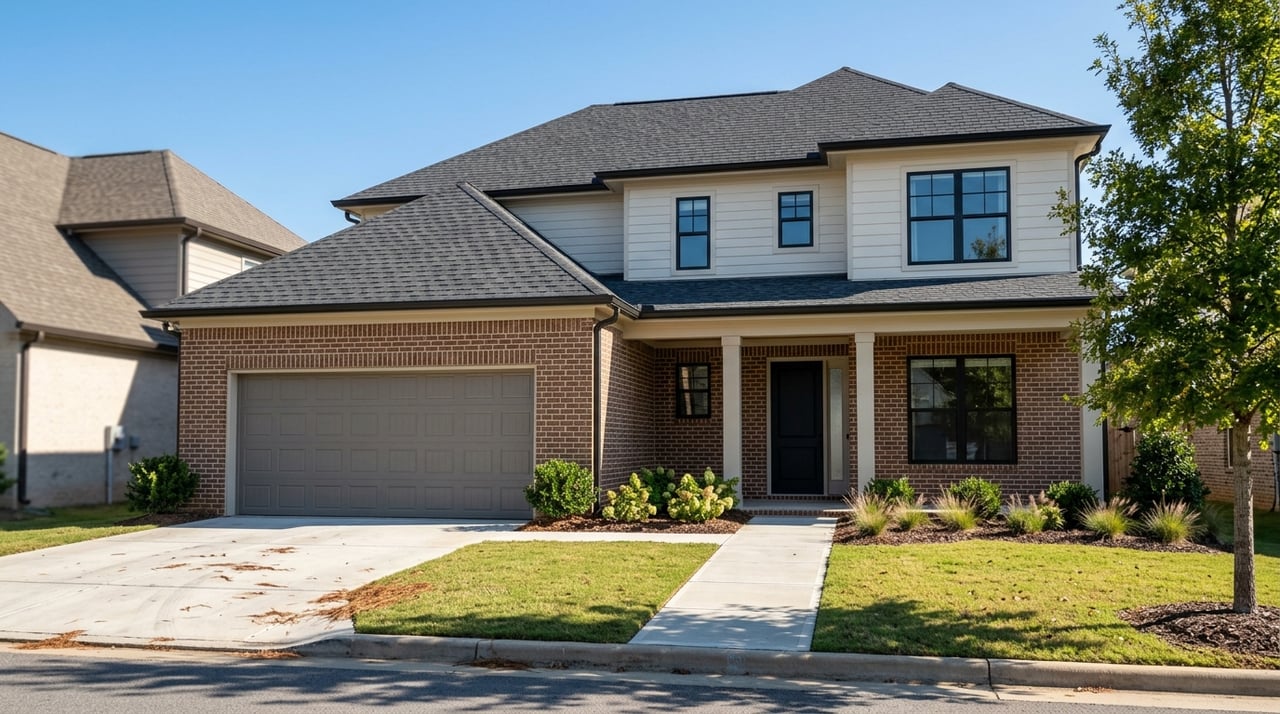
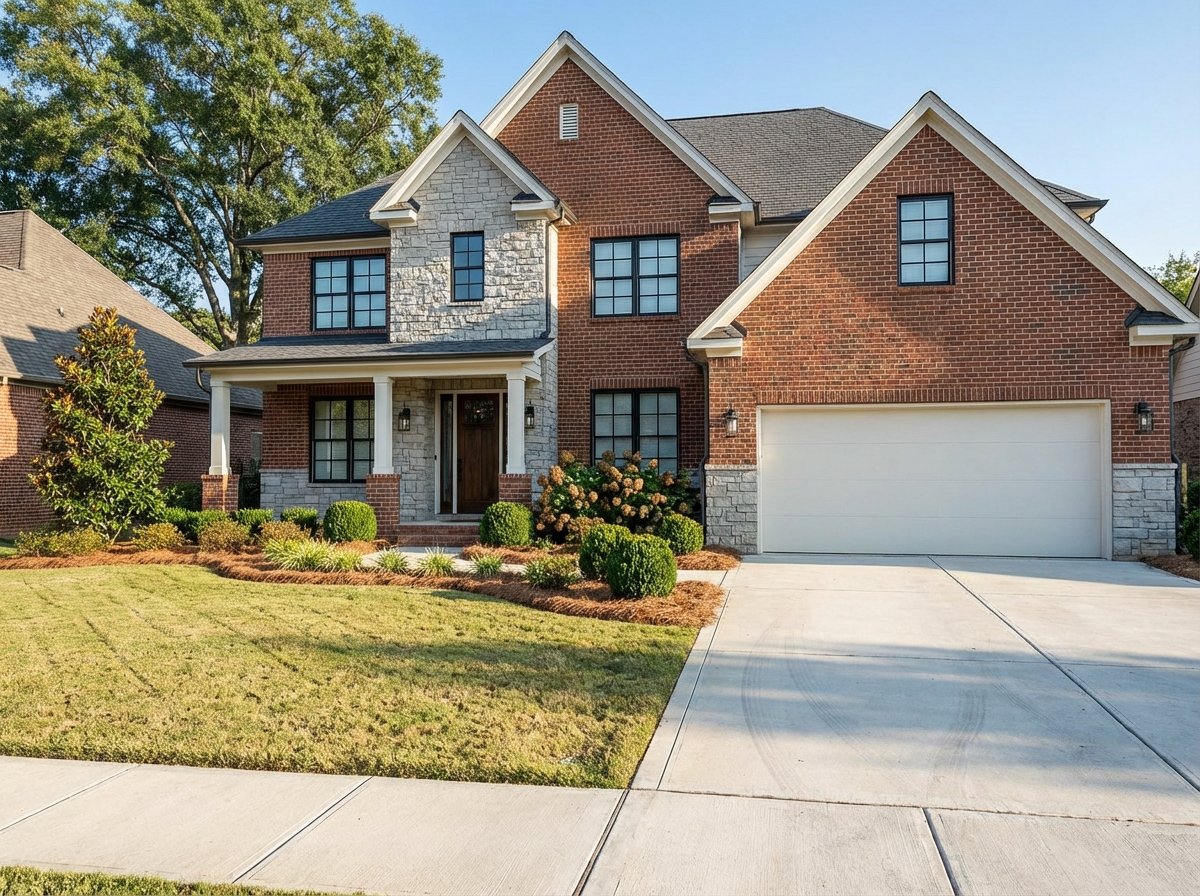
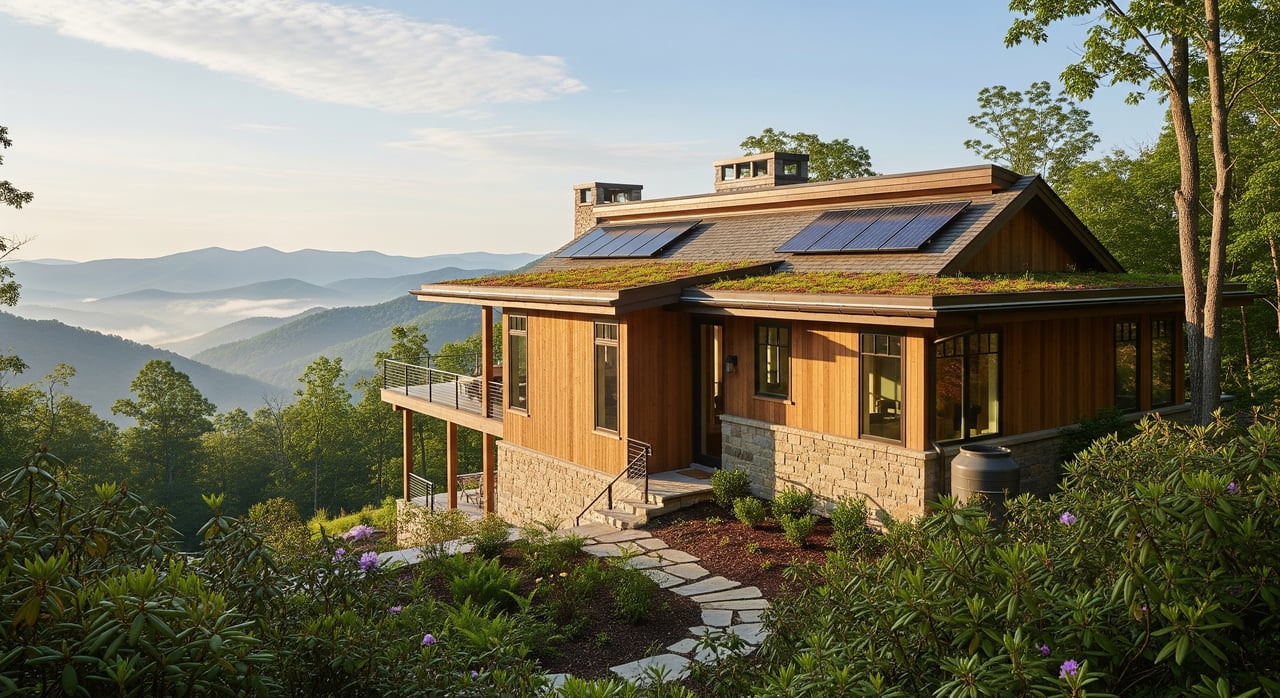
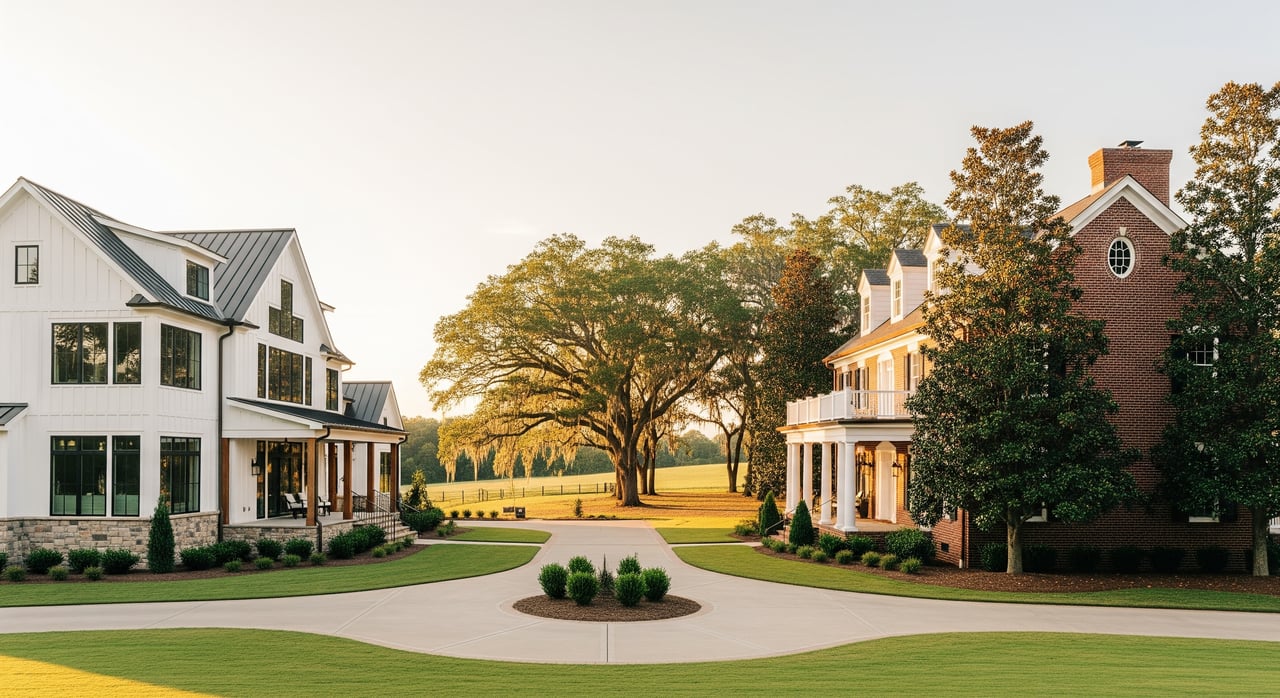
South Asheville, Biltmore Park, and nearby suburbs like Weaverville, Fairview, and Skyland-area subdivisions often deliver newer construction with open plans, energy-efficient systems, and planned-community amenities. This is where you will most often see modern-mountain designs with large windows, main-level living, and multi-level outdoor spaces.
Rural and view properties
Outside city limits, you will see custom homes, cabins, and newer spec builds on larger or steeper lots. Expect wells and septic systems, private roads, and trade-offs between privacy and maintenance. If a sweeping view is at the top of your list, these areas deserve a close look.
Age mix to expect
A regional housing needs assessment shows a healthy mix of older stock built before 1970, a large share from 1970 to 1999, and a smaller but visible slice of recent construction that often commands higher price per square foot. Review the Asheville region assessment for context on built-year distribution. See the regional housing assessment.
Features buyers love in Asheville
Modern mountain living is about connection to the outdoors and everyday ease.
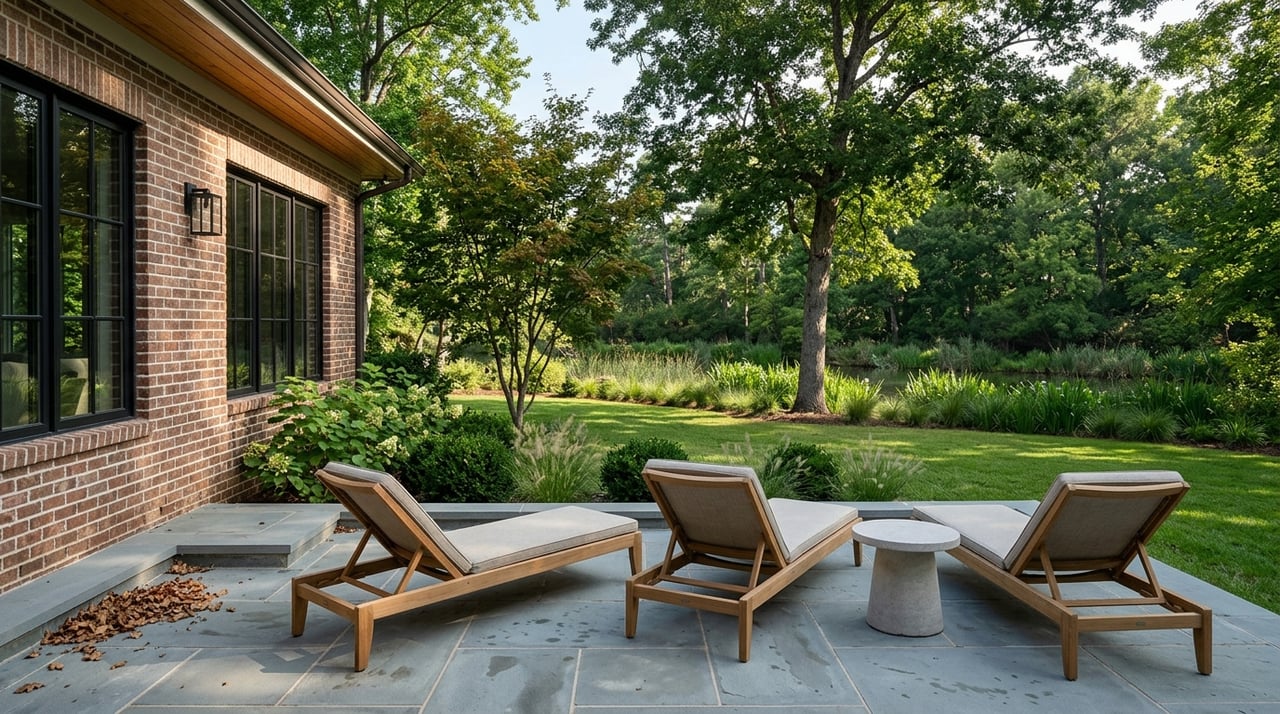
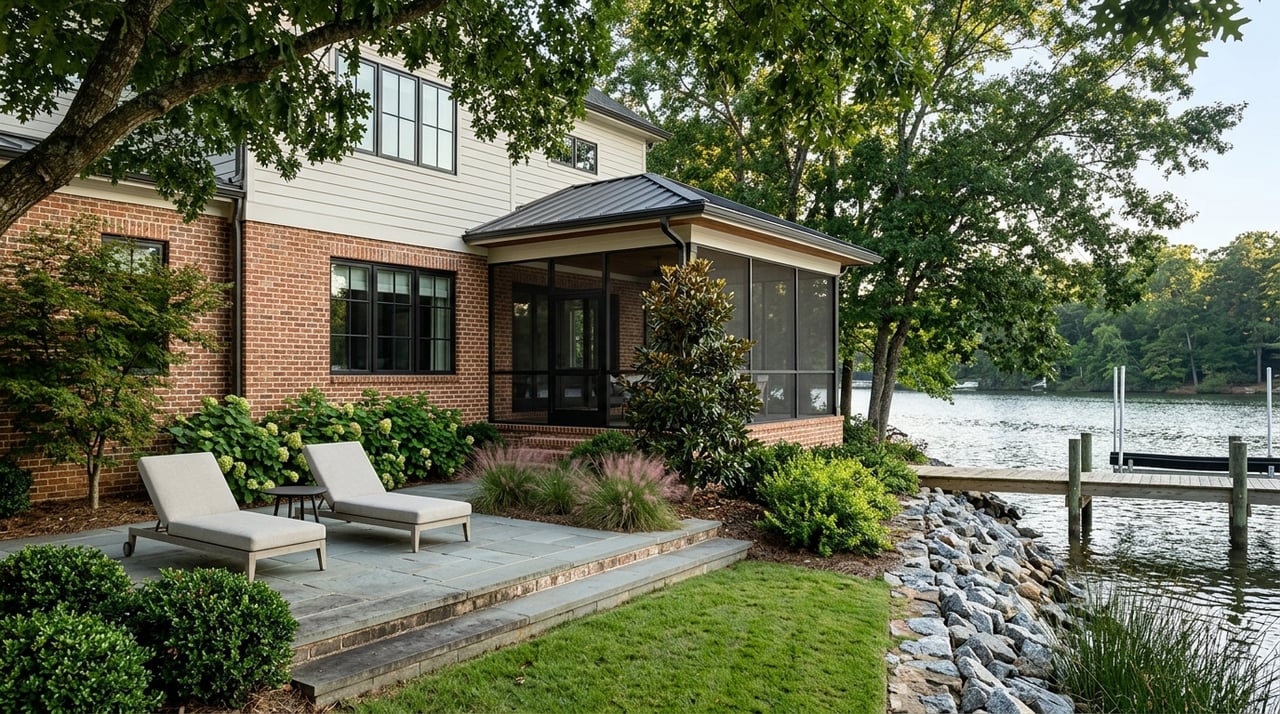
- Outdoor living: Buyers consistently prioritize decks, patios, screened porches, landscape lighting, and fire features. National research on outdoor features underscores their appeal and cost recovery, which maps well to Asheville’s long outdoor season. Review NAR’s outdoor features report.
- Energy efficiency: Heat pump HVAC, efficient windows, and durable exterior materials resonate with today’s buyers and builders. These show up across sustainable and green building trend reports. See NAHB’s green features overview.
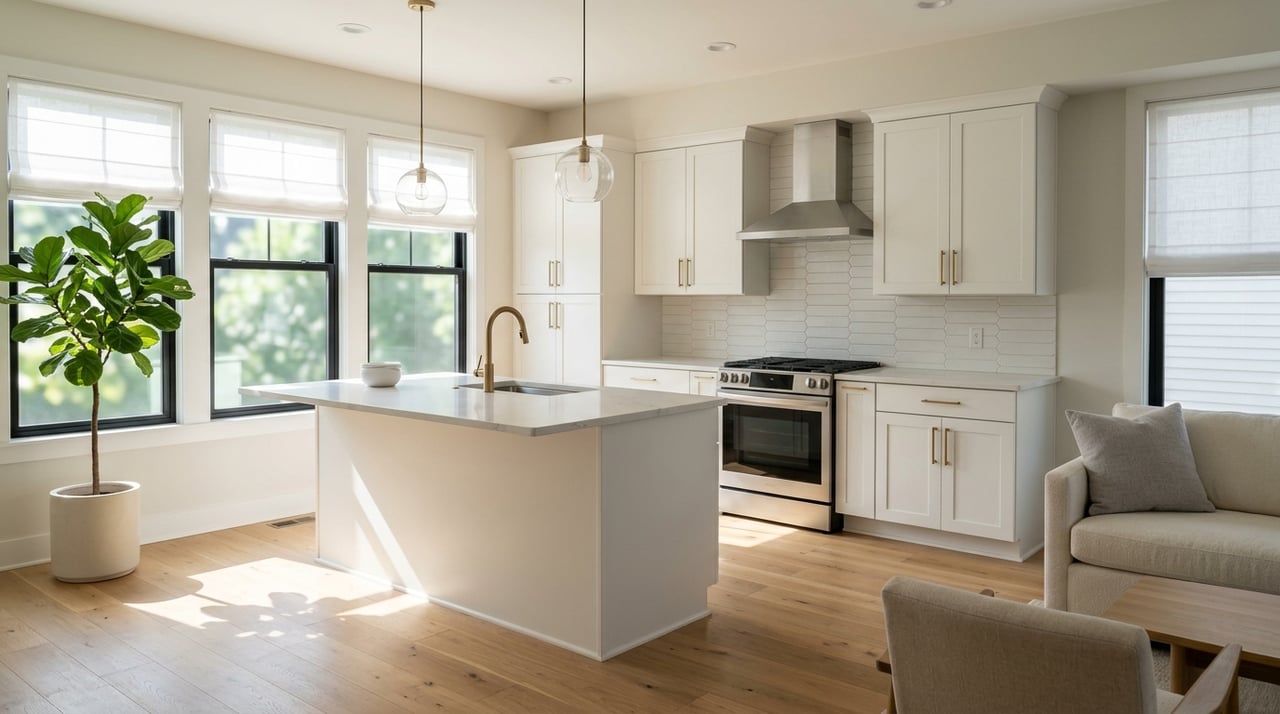
- Floor plans: Open living areas, a main-level bedroom or primary suite, and flexible rooms for office or guests top many wish lists. In historic homes, buyers often trade size for character and location; in newer builds, they lean into space and view glazing.
- Views and privacy: Homes with year-round views and low-maintenance native landscaping often command stronger interest. Well-designed transitions between indoor and outdoor spaces add daily enjoyment and resale appeal.
Mountain due diligence essentials
Mountain homes are special, and they deserve a careful, system-by-system review. These items help you avoid surprises.
Septic and wells
Many homes outside Asheville’s city services rely on septic and private wells. Buncombe County Environmental Health oversees permits and maintains records for existing systems. Before you commit, review the county’s records, confirm the permitted bedroom count, and order inspections for both septic and well. Start with the county’s program overview and fee schedule, and use the permit lookup to locate records by parcel or PIN.
- Buncombe Environmental Health overview
- On-site wastewater and well fee schedule
- How to search septic and well records
Practical notes:
- Septic systems limit bedrooms based on permitted capacity. Do not assume you can add a bedroom without a new evaluation.
- Shared wells or shared septic require recorded agreements that outline cost sharing and maintenance.
- Replacement or advanced treatment systems can be costly. If you plan to renovate, consult a local soil scientist early to confirm feasibility and timelines. Learn more about septic permitting steps.
Access, roads, and driveways
Confirm that the property has recorded, legal access to a public road. Ask who maintains any private road and whether a road maintenance agreement exists. Steep or narrow driveways are common on view lots and may require 4WD in winter. Check turning radius, parking, and emergency access. If conditions allow, visit during or after wet weather to see runoff patterns and traction.
Slope, drainage, and geotechnical risk
For homes on steep slopes or on recently built pads, consider a geotechnical or structural review. The regional hazard mitigation plan notes landslide and flood as ongoing mountain hazards. Make sure any retaining walls or engineered fills have proper permits and confirm who maintains them. Read the regional hazard mitigation plan.
Flood, storms, and insurance
Hurricane Helene in late 2024 caused widespread inland flooding and pushed a fresh look at hazard exposure across mountain corridors. Some insurers may adjust underwriting or premiums in higher-risk micro areas. Check FEMA flood maps for each parcel, ask your insurer about availability and cost of flood and landslide coverage, and budget accordingly. Review the state’s recovery and mitigation plan for context. See North Carolina’s action plan.
Utilities and broadband
Confirm electricity service and whether any line extension is required. Ask about internet options early, since wired broadband varies outside town. Verify whether the home uses propane, municipal water and sewer, or well and septic. These details affect monthly costs and remote work feasibility. The county’s Environmental Health and utility resources are good starting points. Explore Buncombe Environmental Health resources.
How to tour and win offers
North Carolina uses a due diligence framework that is different from many states. The standard Offer to Purchase and Contract gives you a negotiated window to inspect and, if needed, terminate for any reason in exchange for a nonrefundable due diligence fee. Understand the form, the timeline, and your risk tolerance before you write. Review NC’s due diligence framework.
Before you tour
- Get a full mortgage preapproval and a rate-lock plan that fits local timelines. The CFPB’s toolkit explains documents and shopping strategies. Use the CFPB Home Loan Toolkit.
- Set a budget for both earnest money and the due diligence fee common in North Carolina offers.
- Ask your agent to pre-screen listings for sewer or septic status, road ownership, flood mapping, and any available seller inspection reports.
- Pull a fresh Asheville market snapshot for the week you plan to write offers. See the latest regional report.
On-site checklist
- Drive the access route and test driveway conditions if the weather cooperates.
- Walk the site. Look for drainage paths, retaining walls, erosion, and tree health near the home.
- Confirm septic and well records and schedule inspections. Use the county’s records lookup.
- For steep or view lots, add a structural or geotechnical opinion and review permits for any engineered work.
- Review roof, HVAC, plumbing, electrical, windows, and insulation. Request builder warranties or energy reports if the home is newer.
Offer strategy in a balanced market
- Price and terms: With more inventory in many areas, you may have room to negotiate price, seller-paid credits, or timelines. Unique view homes or in-town gems can still be competitive, so use hyper-local comps.
- Due diligence period: Right-size the window based on the property type. Mountain homes may need extra time for septic pumping and inspection, well testing, and geotechnical reviews. Ask for that in writing.
- Fees and protections: Balance a competitive due diligence fee with your need to uncover unknowns. Keep appraisal and financing protections in place unless your risk tolerance and cash reserves are high.
Your next steps
- Clarify your must-haves: in-town character, new construction ease, or big views and privacy.
- Get preapproved and set aside funds for inspections and the due diligence fee.
- Partner with a North Carolina broker who knows how to navigate septic, slope, and private-road questions.
- Use weekly MLS data to pace your search and time your offer.
- Plan for mountain ownership with a maintenance calendar for driveway care, gutters, tree work, and septic pumping.
If you are ready to explore Asheville’s modern mountain options or want a second set of eyes on due diligence strategy, connect with a broker who will keep you informed at every step. Reach out to David Wishon to start a focused, data-driven search.
FAQs
What should 2026 Asheville homebuyers know about pricing?
- Providers report different numbers based on their methods. As of February 2026, Redfin cited a median sale price near $477,500, while Zillow’s Home Value Index was about $449,000 on January 31, 2026. Always note the source and date.
How does North Carolina’s due diligence period work in home purchases?
- The NC contract gives you a negotiated inspection window in exchange for a nonrefundable due diligence fee, with the right to terminate for any reason within that period. Review NCREC guidance.
What do I need to check for septic and wells in Buncombe County?
- Confirm the permitted bedroom count and system type in county records, order a septic inspection and well test, and review permit history. Start with Buncombe Environmental Health.
Are steep-slope homes in Asheville safe to buy?
- Many are, but you should add a structural or geotechnical review, confirm permits for retaining walls or fills, and check for erosion patterns. The regional hazard plan outlines landslide and flood risks. Read the plan.
How did Hurricane Helene affect insurance in the Asheville area?
- The 2024 event highlighted inland flood exposure, and some insurers may adjust underwriting in higher-risk corridors. Get quotes early and confirm flood or landslide coverage availability. See the state action plan.
What utilities and internet issues should I expect outside Asheville city limits?
- Some properties require propane, have private wells and septic, or need electric line extensions. Wired broadband can be limited in rural areas, so confirm options with providers early and consider backup connectivity if you work remotely.