If you are searching for a Charlotte-area community that feels more layered than a typical suburb, Belmont deserves a closer look. You may want walkable streets, local parks, river access, and a range of home styles without giving up convenience to the larger metro. Belmont offers that mix in a compact setting, with distinct neighborhood pockets and day-to-day routines that feel different from one side of the city to the next. Let’s dive in.
Belmont has more than one lifestyle
Belmont is not defined by a single neighborhood pattern. The city describes itself as the only city in the Charlotte metro located entirely on a peninsula, and its planning goals focus on walkable, sustainable, and visually attractive communities connected by streets, greenways, and pedestrian pathways.
That matters when you are deciding where to live. Instead of one uniform subdivision after another, Belmont gives you a historic core, downtown-adjacent districts, and newer growth corridors on the South Point side. In practical terms, that means your daily routine can look very different depending on where you land.
Historic downtown offers character and walkability
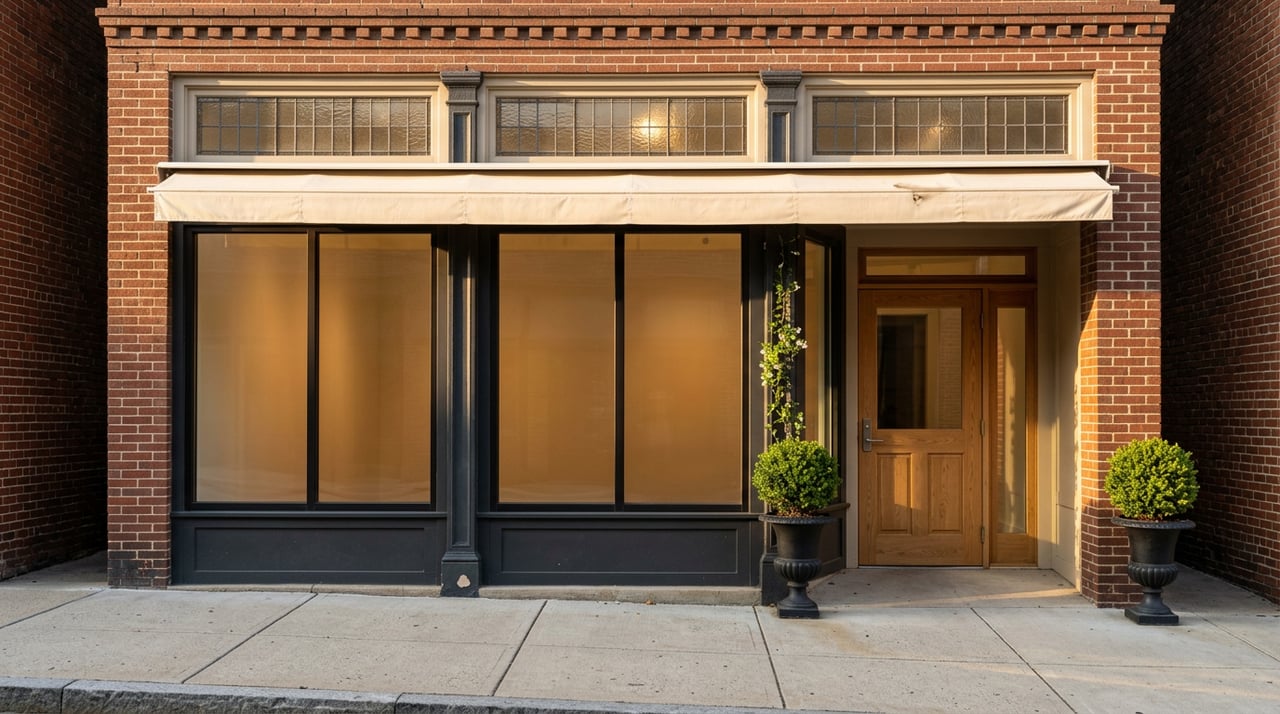
The historic core is one of the clearest parts of Belmont’s identity. Belmont’s Historic District was listed on the National Register of Historic Places in 1996 and includes 264 contributing buildings, giving this part of town an older and more established feel than many newer suburban communities.
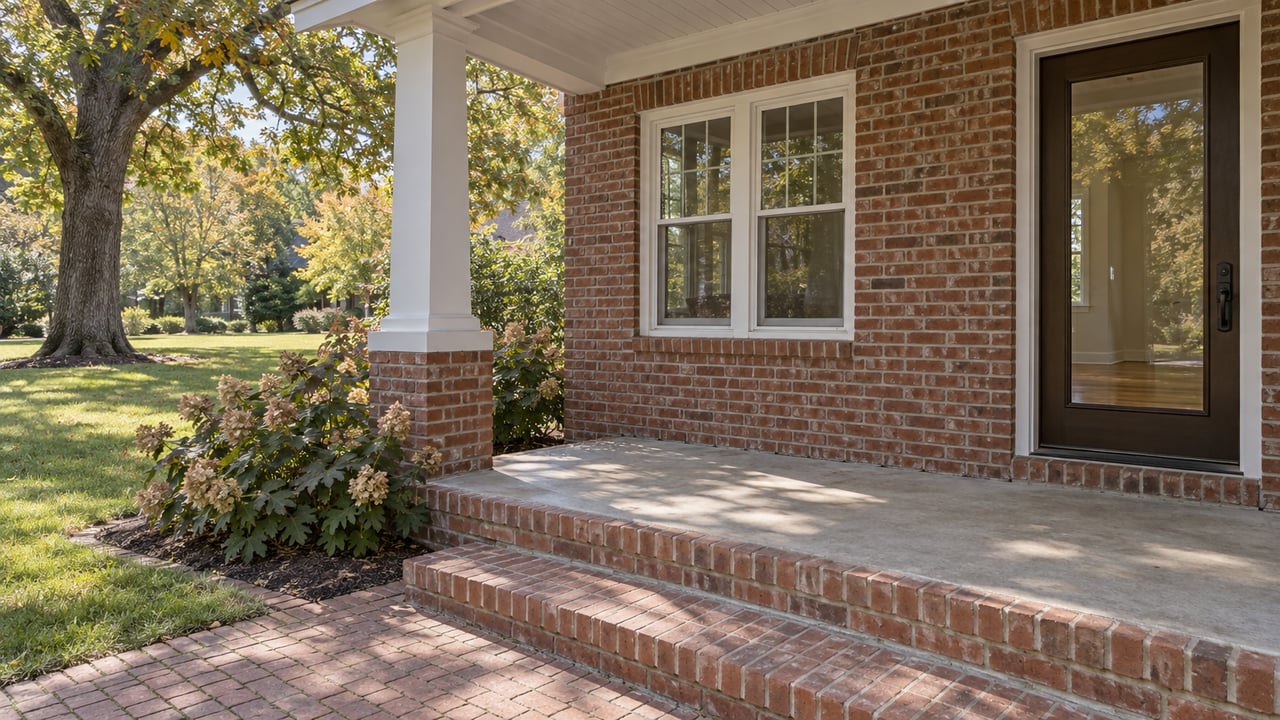
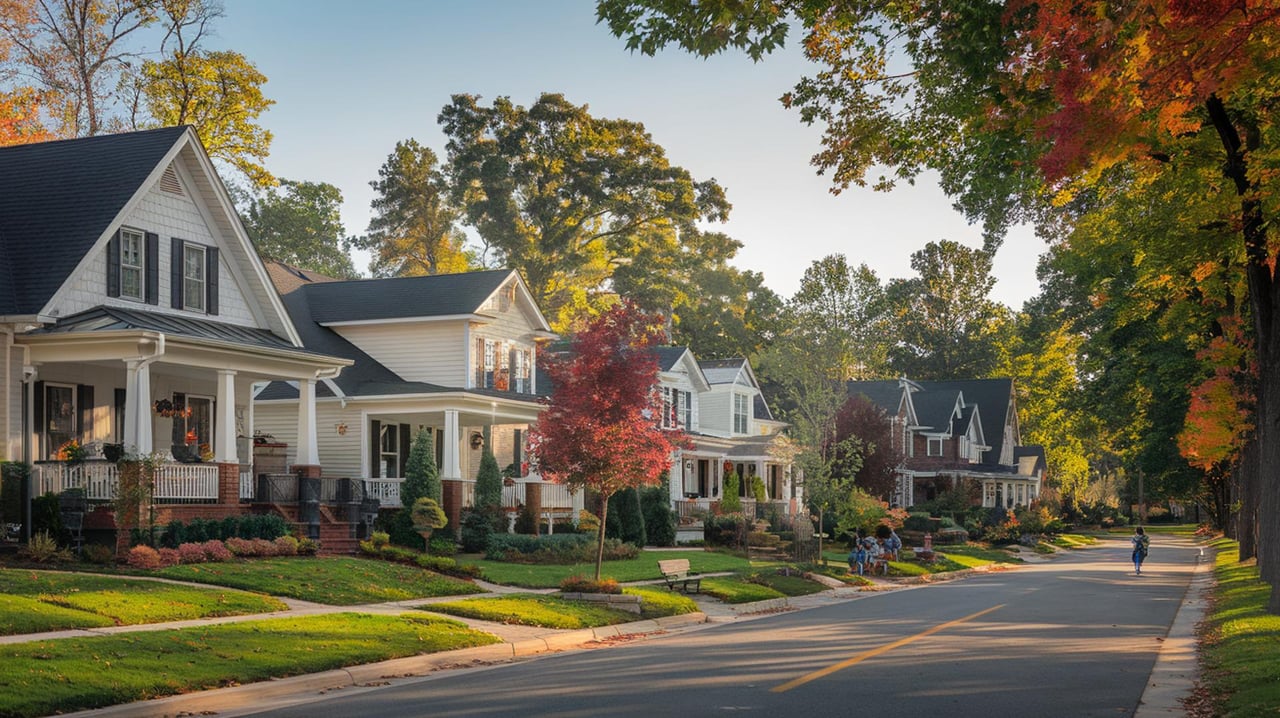
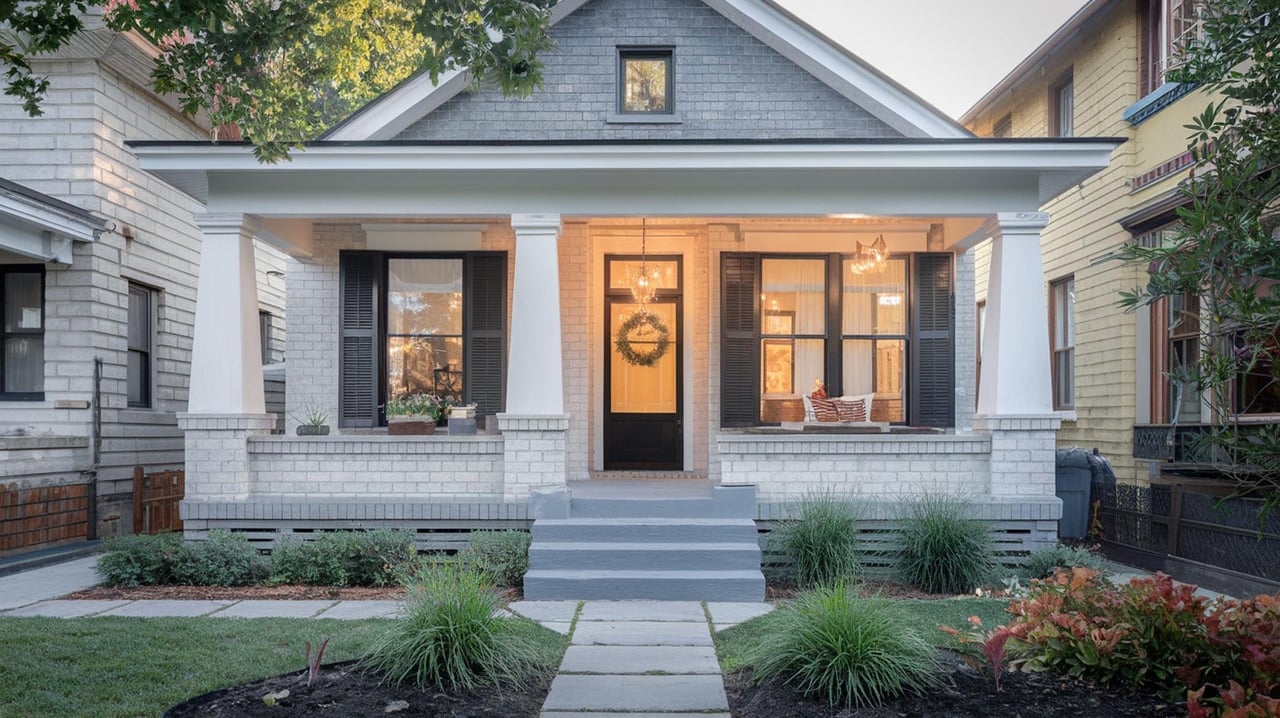
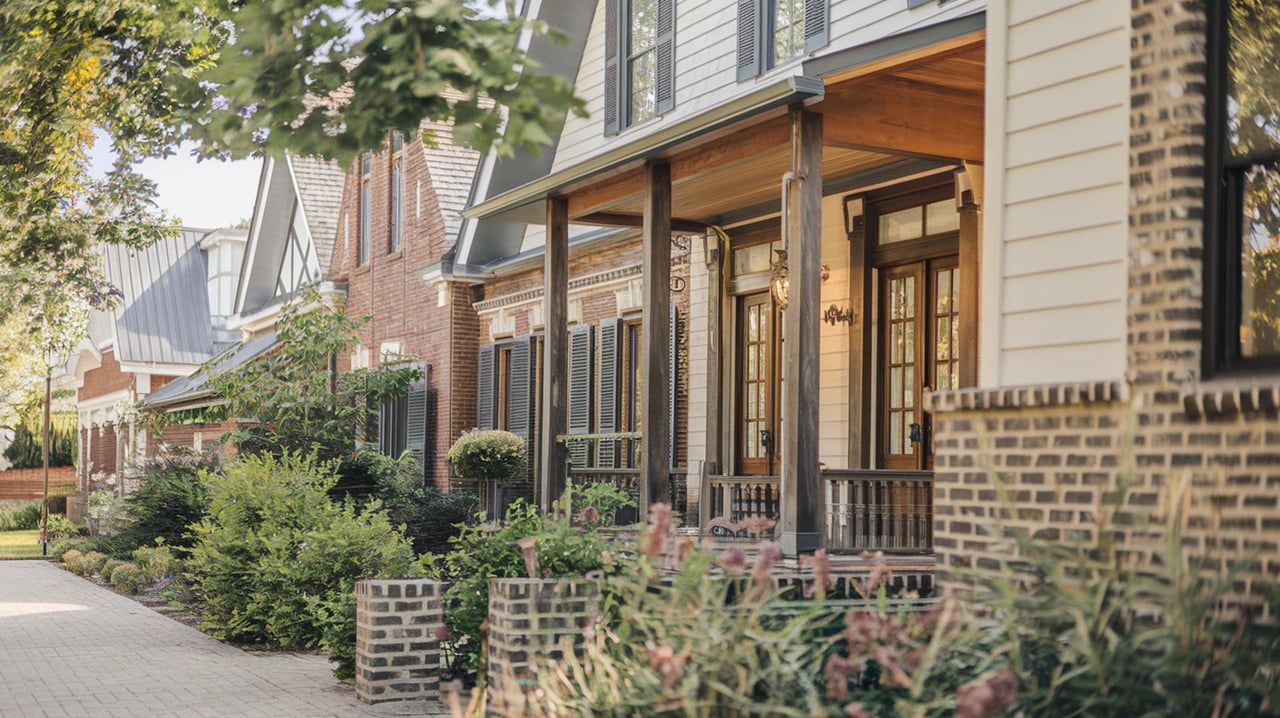
If you are drawn to homes with character, front-porch streets, and easier access to downtown blocks, this area will likely stand out. The neighborhood fabric here is closely tied to Main Street and the historic downtown blocks around Catawba Street, where Belmont’s mill-village history still shows up in the architecture and street feel.
Daily life in this part of town often centers on being close to local businesses, public spaces, and community events. It is the part of Belmont that most strongly supports a walkable, in-town routine.
What to expect near the historic core
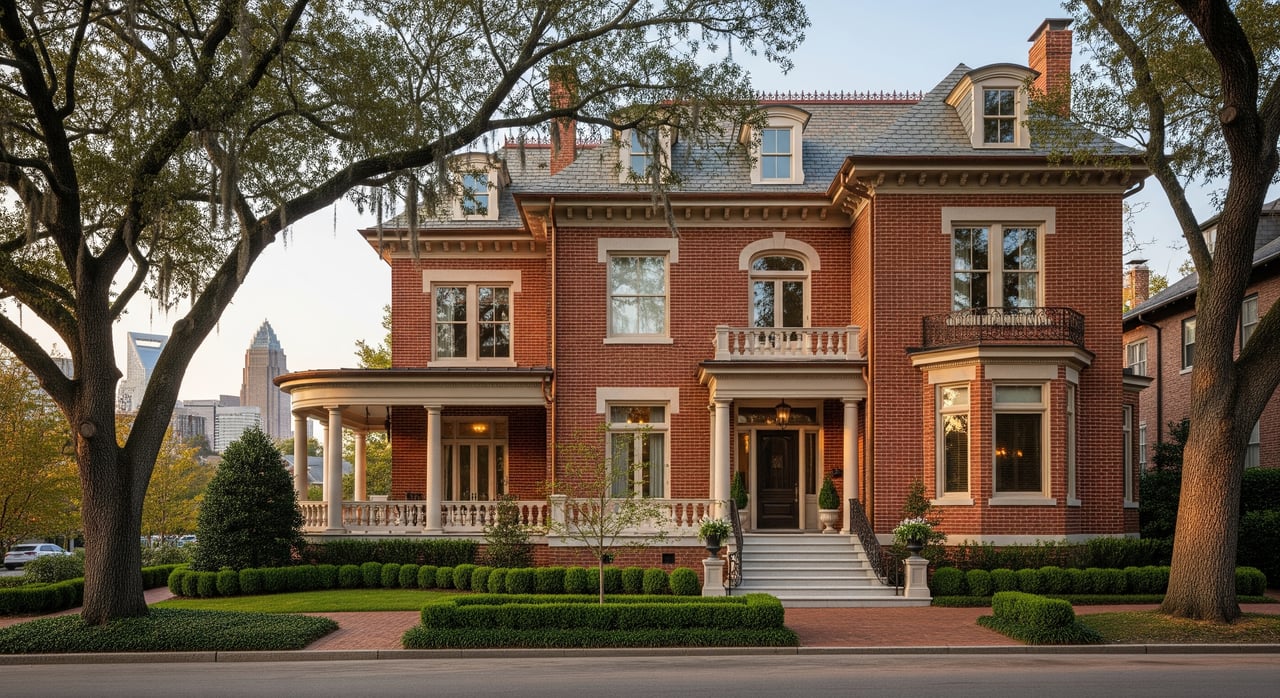
You are more likely to find older homes, established streets, and a sense of place shaped by Belmont’s history. The housing is less about uniformity and more about character, location, and proximity to downtown.
For buyers comparing Belmont to newer suburban areas around Charlotte, this section of the city may feel more compact and connected. That can be a real advantage if you value a neighborhood where errands, dining, and weekend plans can happen close to home.
Chronicle District and East End show Belmont’s evolution
Just beyond the historic core, Belmont’s Chronicle District and East End show how the city is growing while keeping ties to its past. The Chronicle District begins where Historic Downtown ends on Catawba Street and includes the Chronicle Mill area, Primal Brewery, and Techworks.
The East End sits east of Historic Downtown and includes businesses like Belmont Drug, Doc’s Comics & Toys, and Catawba River Antique Mall. Together, these districts help create a downtown area that feels active and varied rather than limited to one small main street strip.
The Chronicle Mill site is approved for a mix of commercial, office, and residential space, with future townhomes proposed. That makes this area a strong example of adaptive reuse and mixed-use growth near downtown, which can appeal to buyers who want a blend of historic setting and newer housing options.
Why these districts matter for buyers
These downtown-adjacent areas can offer a different version of Belmont living. You may still be close to the city center, but with more signs of redevelopment, mixed-use planning, and housing variety.
For some buyers, that creates a nice middle ground. You get access to Belmont’s local energy and established identity while also seeing where future housing and commercial activity may continue to take shape.
South Point highlights newer neighborhoods
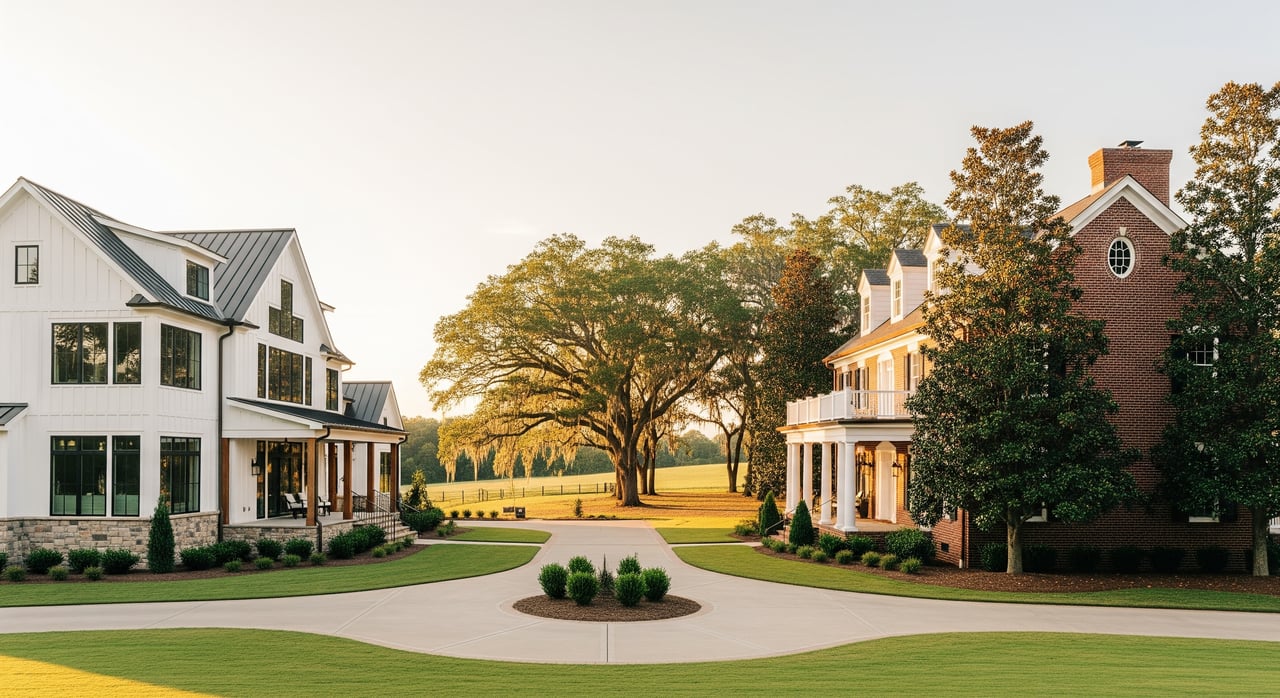
If your priority is newer construction, planned communities, or HOA-oriented neighborhoods, the South Point side of Belmont is where much of that story is unfolding. City project information points to several developments in this area, including detached homes, townhomes, multifamily housing, and some street-level retail.
Examples include the South Point community, Lakeview Farms, Riverview at South Fork, and The Towns at McLean. The city also cites Reflection Pointe as an example of a private-street HOA neighborhood, reinforcing the idea that Belmont’s south and southwest areas tend to skew newer, more suburban, and more structured in layout than the historic core.
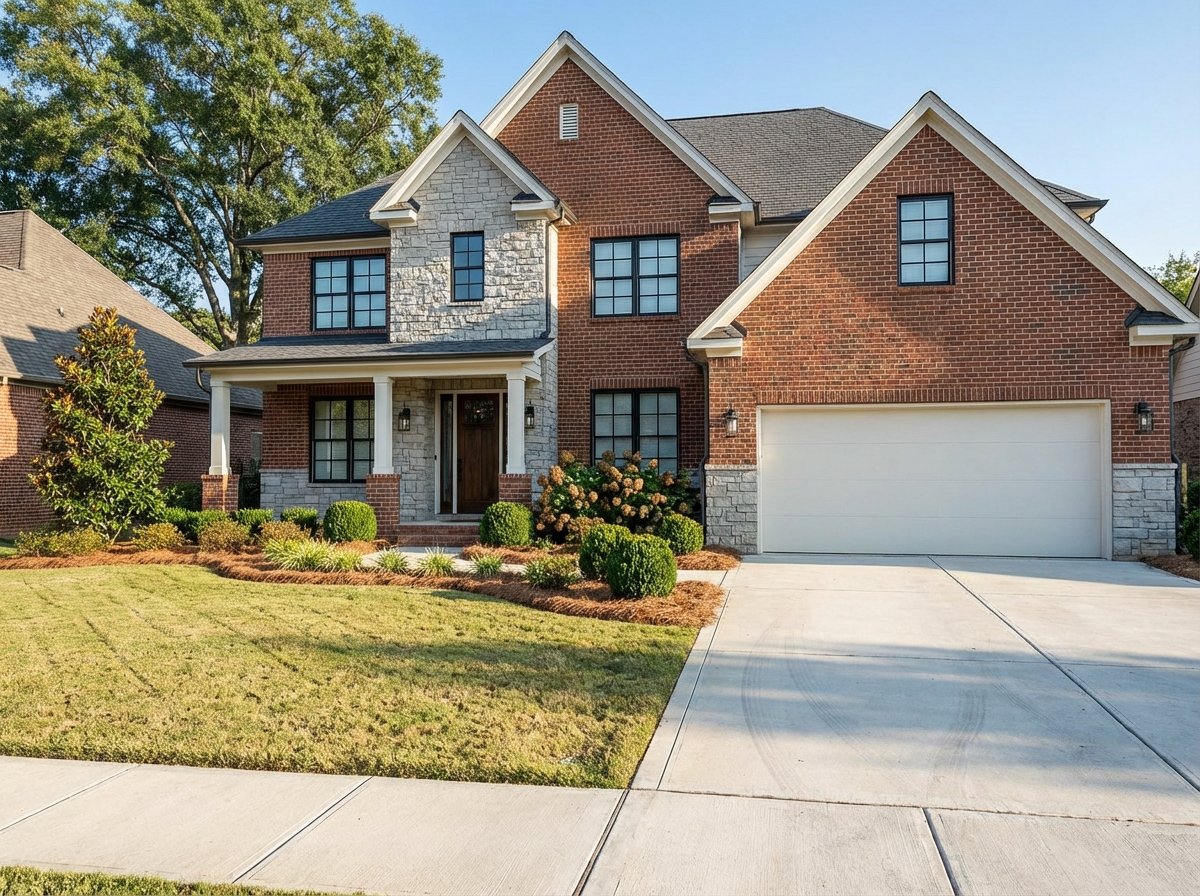
This part of Belmont can be especially relevant if you want a home with a newer floor plan, less emphasis on historic architecture, or a community designed around more recent growth patterns. For move-up buyers and buyers considering new construction, it is often the side of Belmont worth watching closely.
Home types on the South Point side
Belmont offers a broad housing mix for a city its size, and the South Point area shows that clearly. Current and approved projects include detached homes, townhomes, multifamily units, live/work units, and mixed-use residential buildings.
Some of the city’s project examples are substantial in scale. Riverview at South Fork includes 676 detached homes, 241 townhomes, and up to 350 multifamily units, while Lakeview Farms is planned as a 385-lot multi-generational community. That variety gives buyers more flexibility than you might expect in a smaller city.
Belmont’s housing mix is broader than many buyers expect
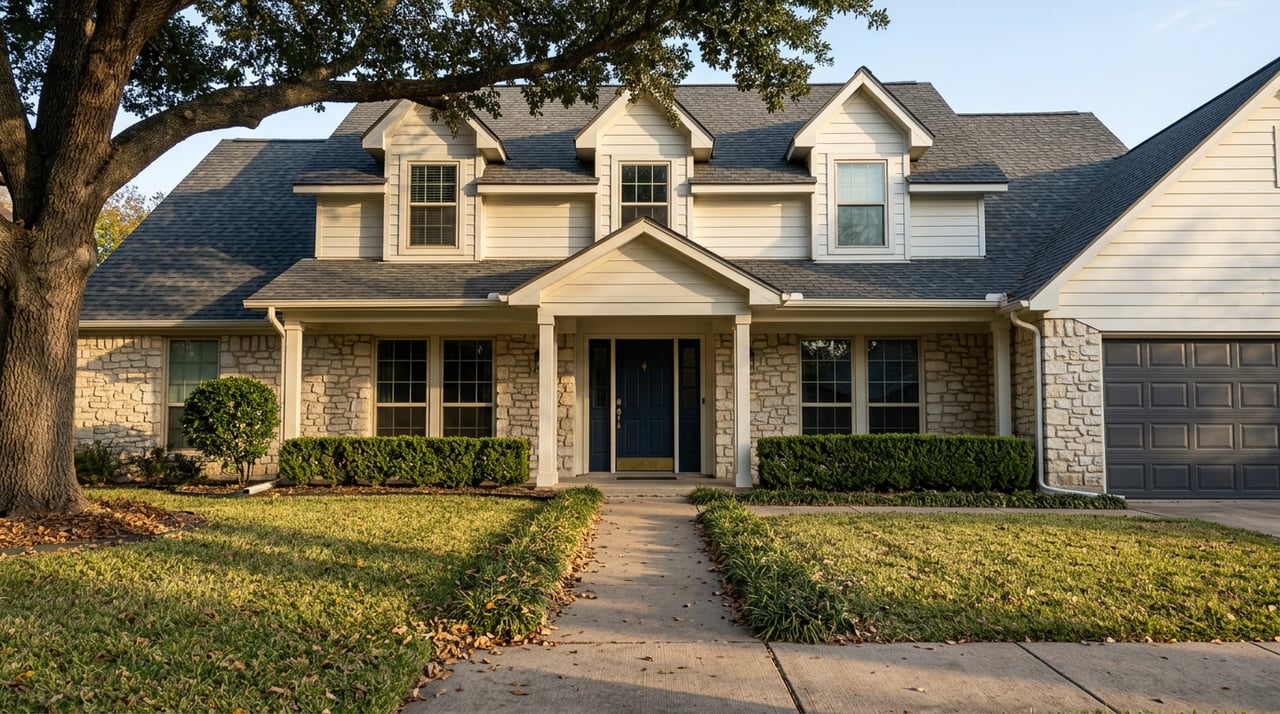
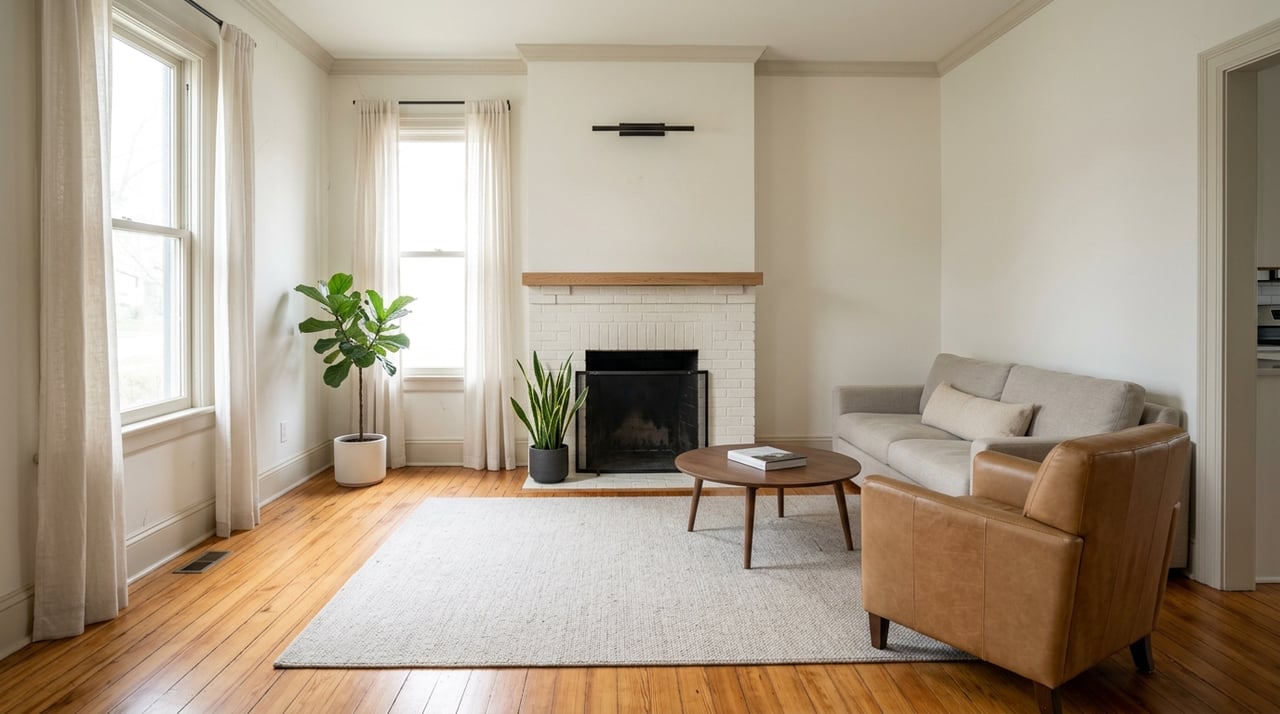
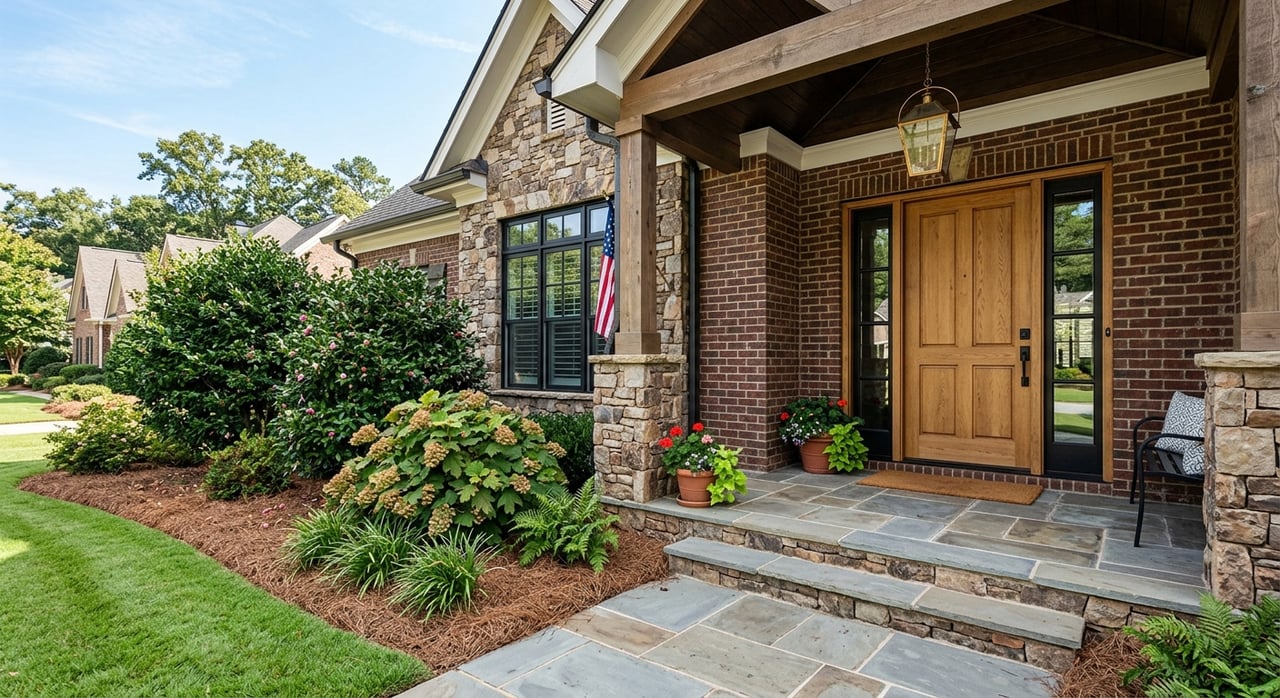
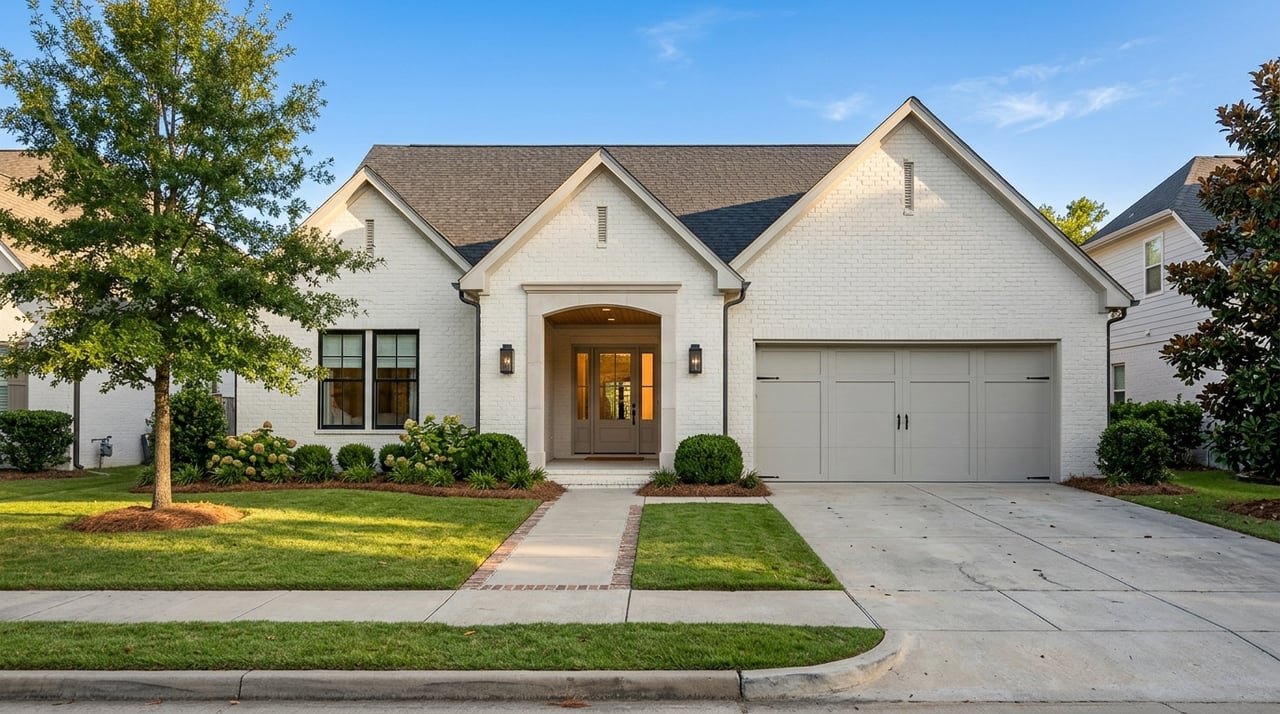
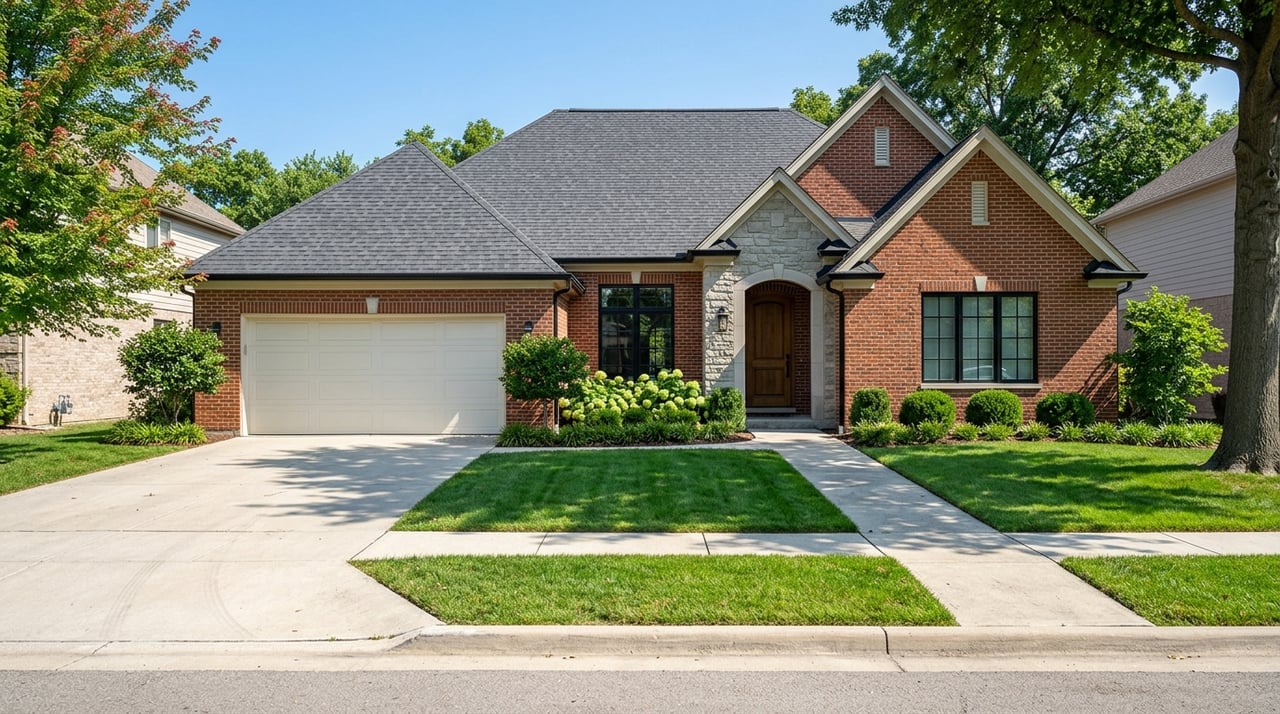
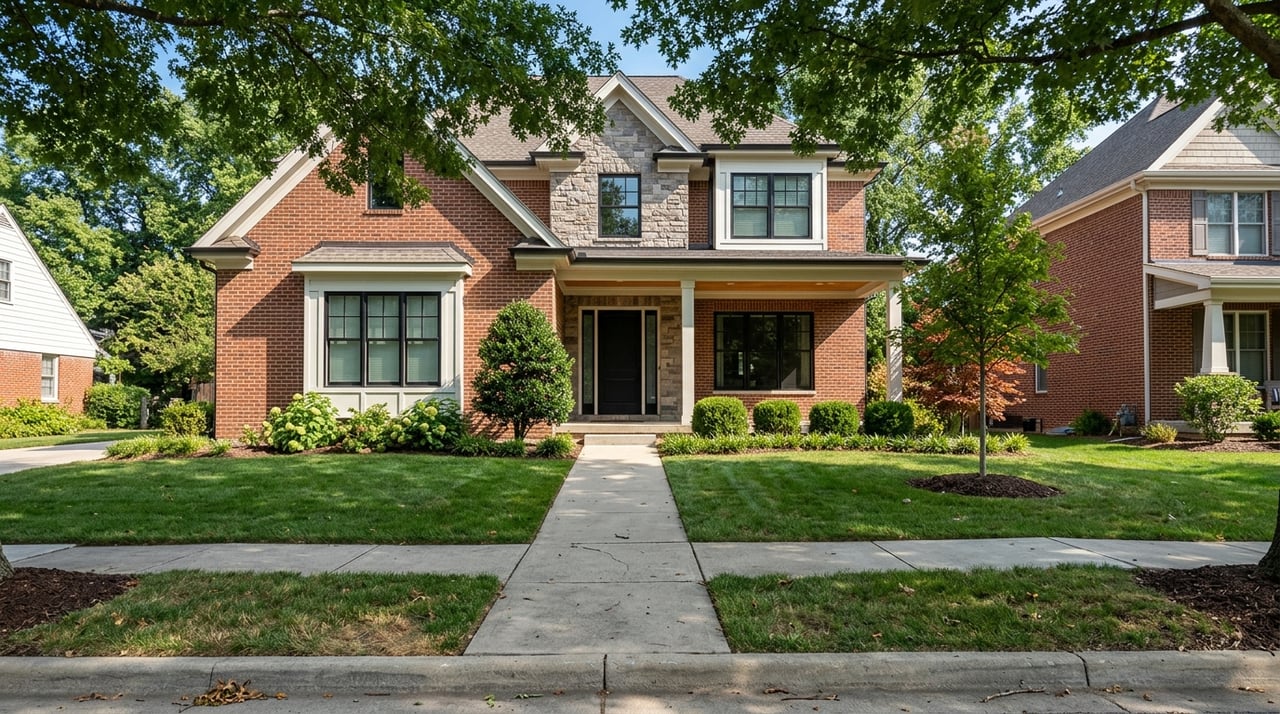
One of Belmont’s strengths is that it does not force you into one home style. Near downtown, you will see mill-village-era homes and older in-town streets. In newer areas, you are more likely to find porch-forward single-family homes, townhomes, and larger planned neighborhoods.
The city’s development pipeline shows this range clearly. Dixon Village is a proposed 28-home mixed-income subdivision with 3- and 4-bedroom homes, front porches, and average lot sizes of 5,820 square feet, while Central Park South is an approved 11-lot single-family infill project on Central Avenue.
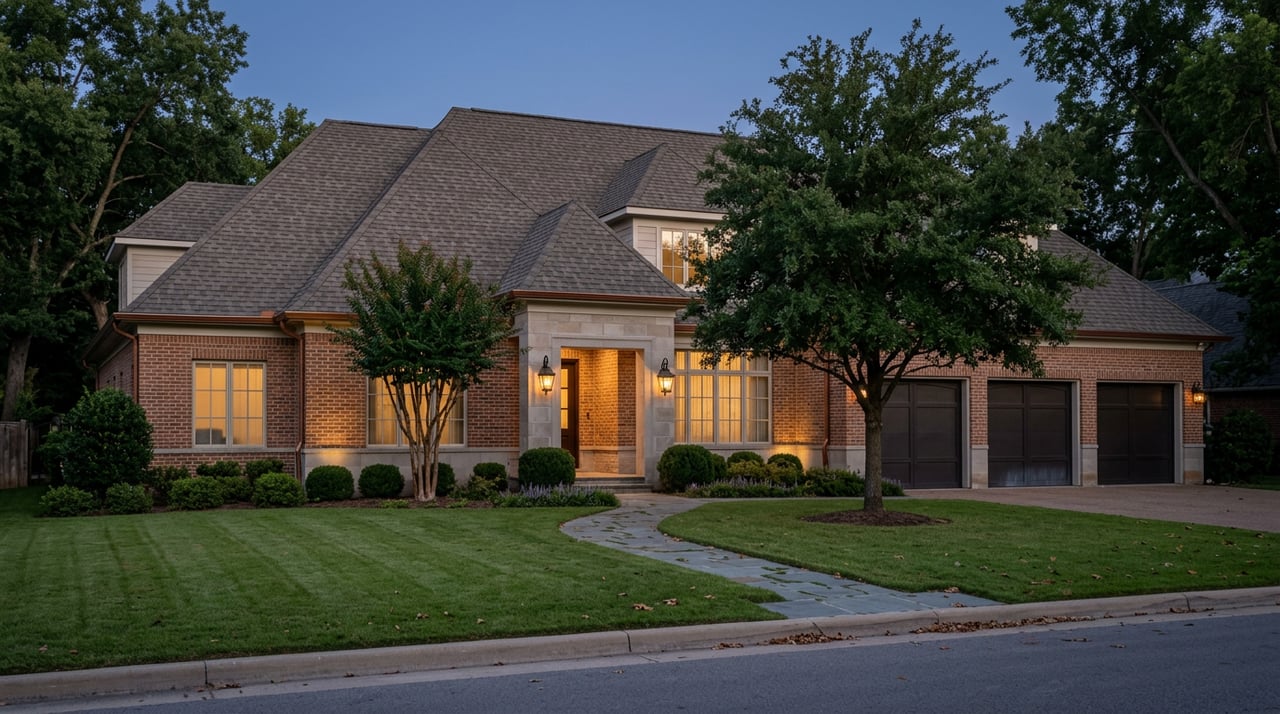
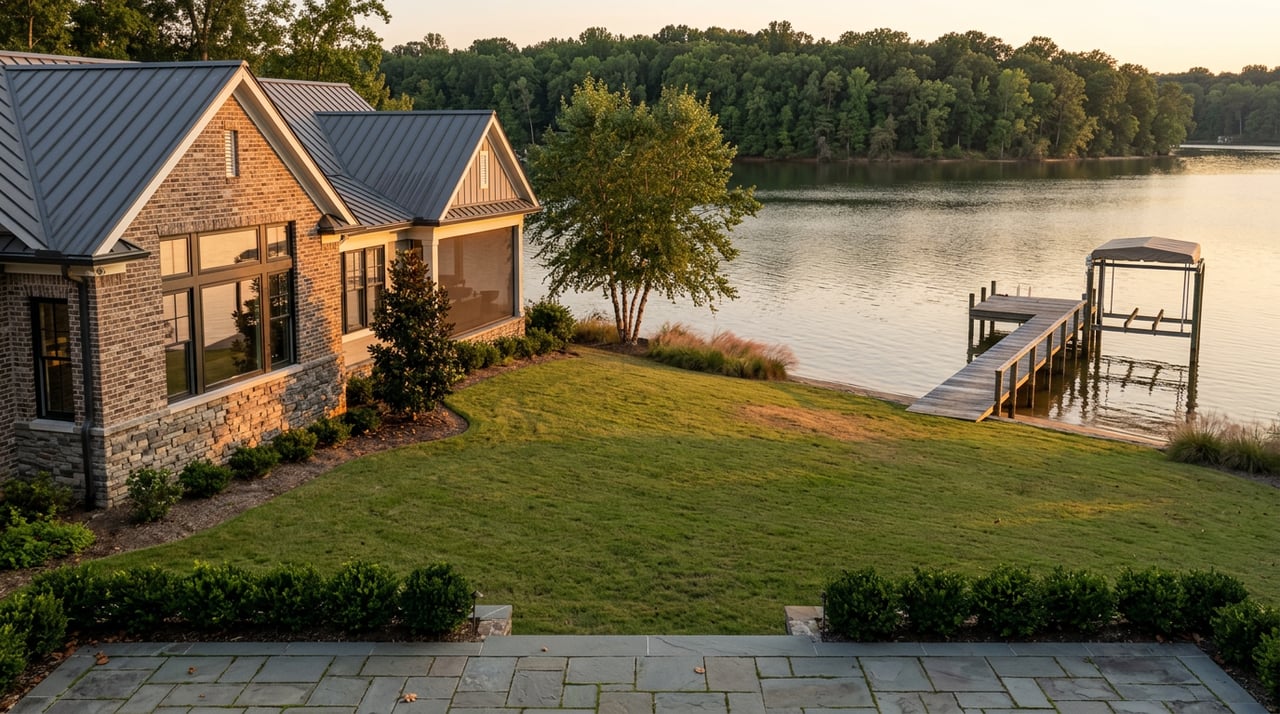
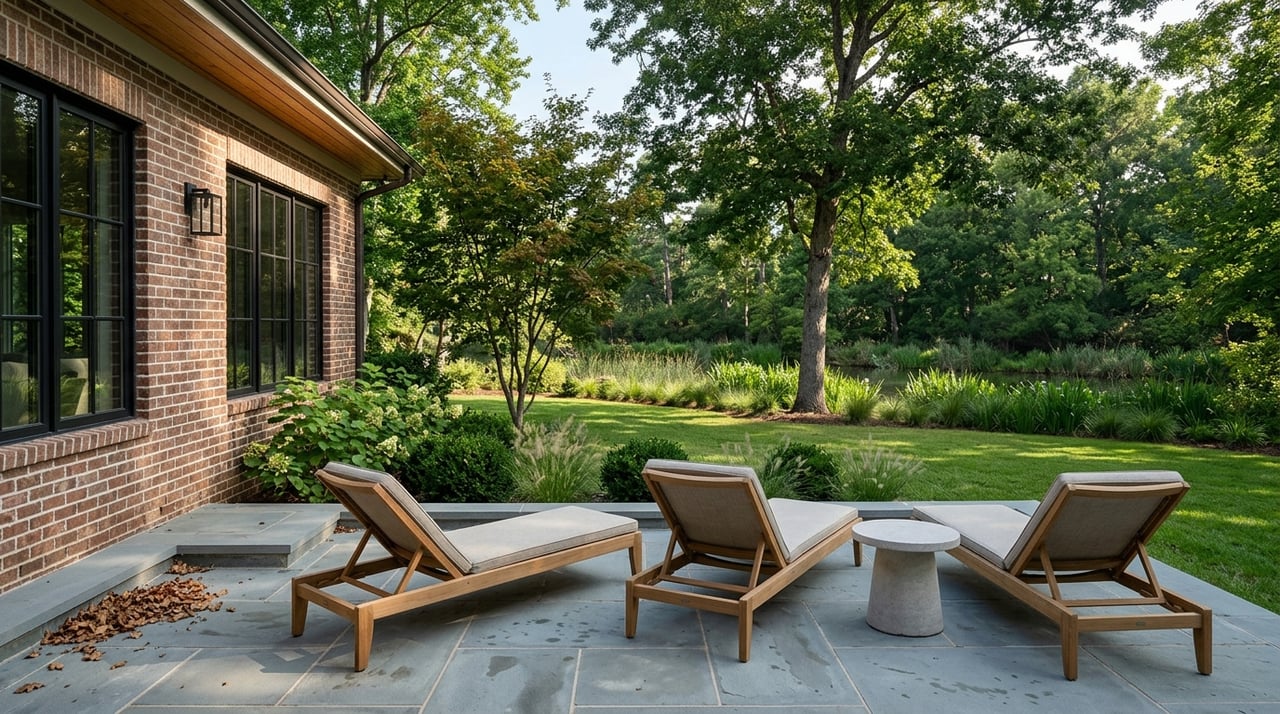
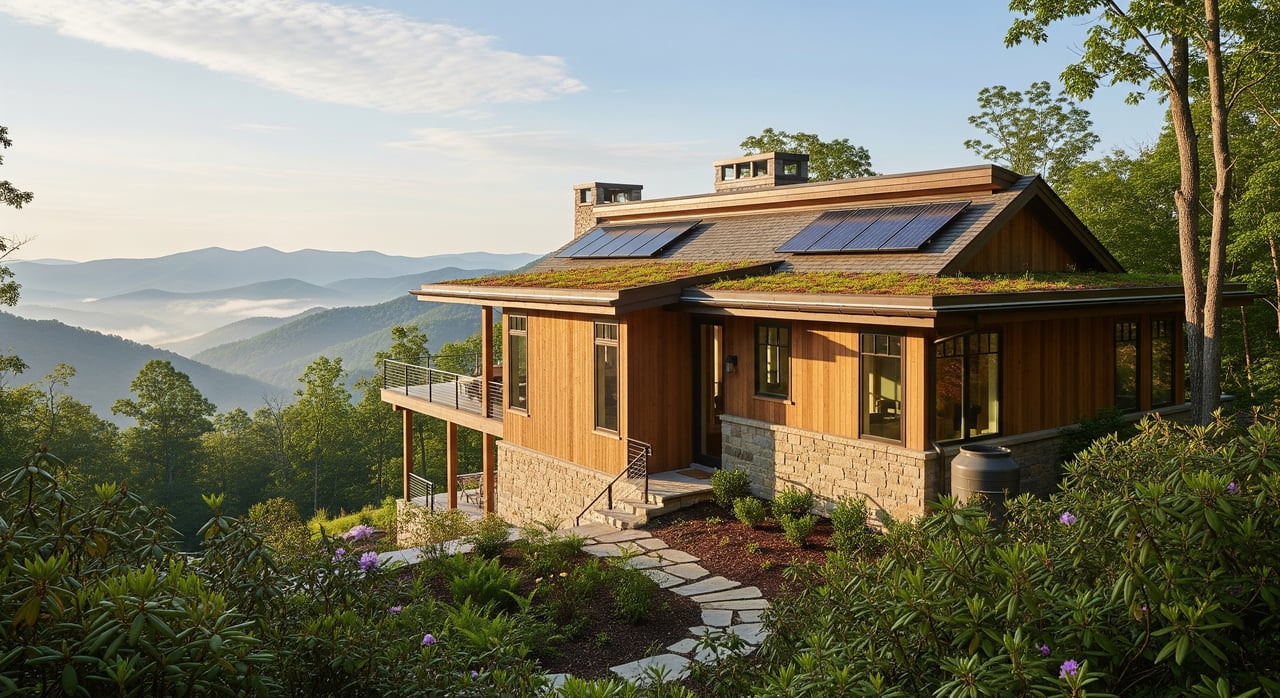
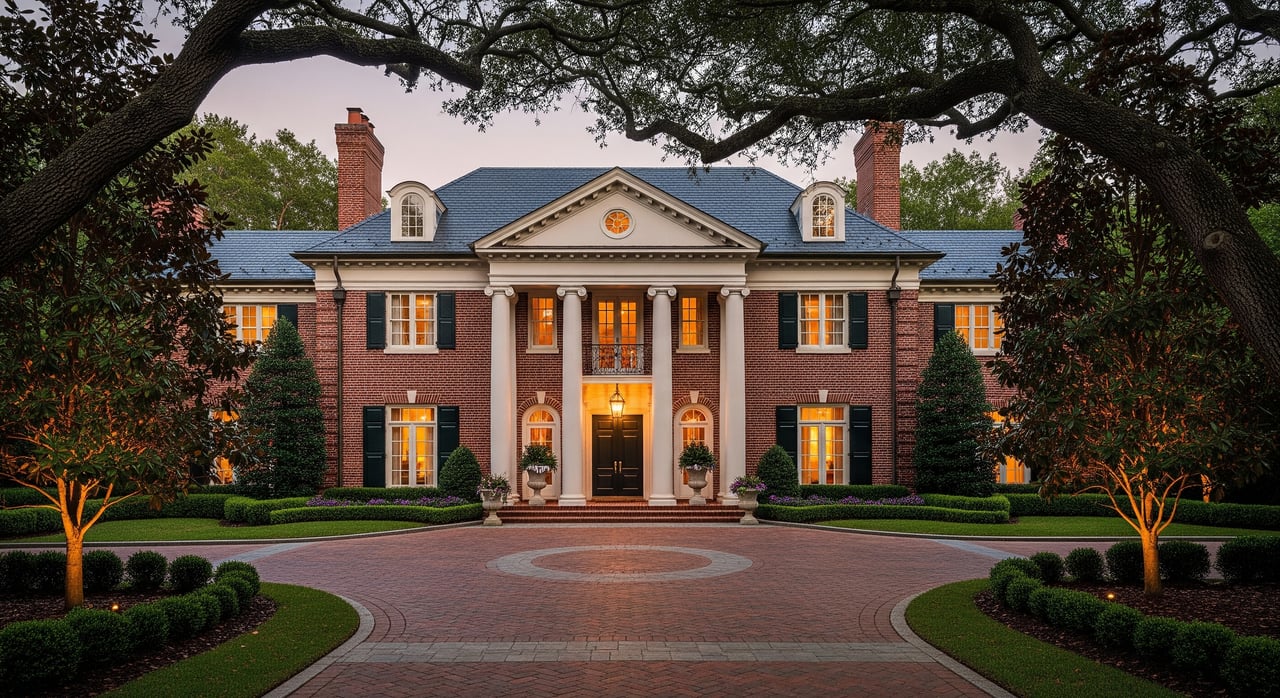
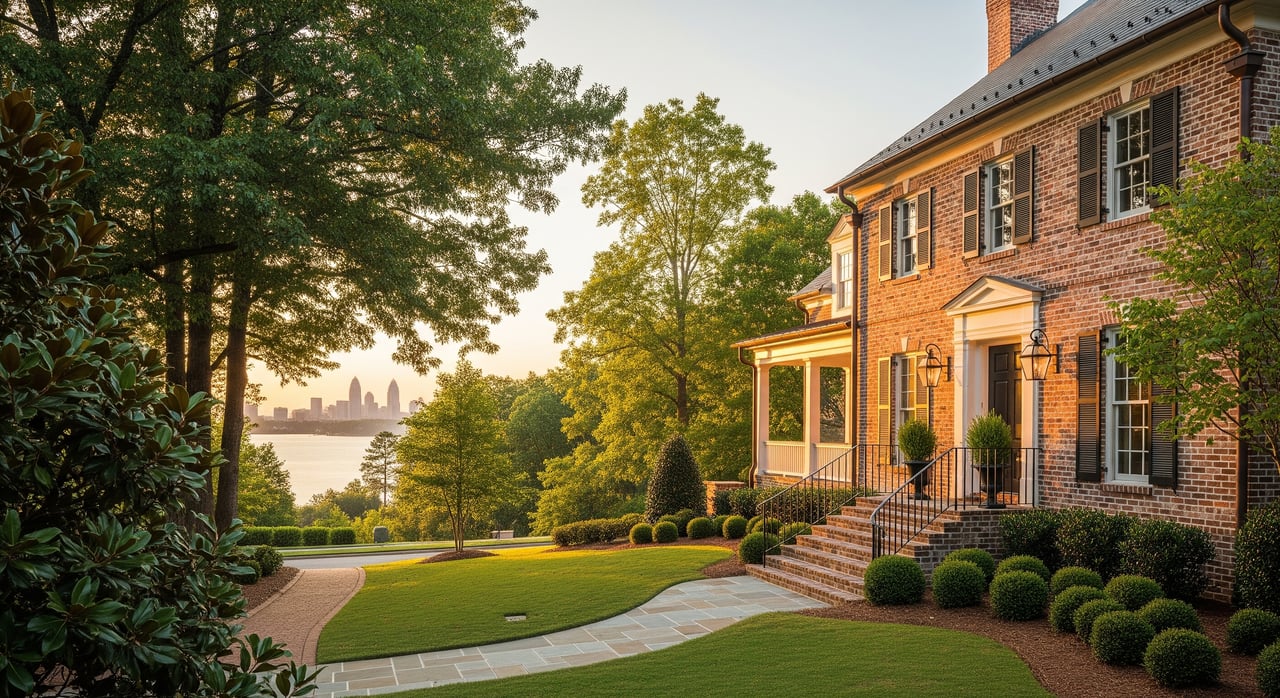
The city also notes that residential development continues within and adjacent to current city limits, including some high-end waterfront properties. So if you are trying to summarize Belmont in one phrase, it is better to think of it as a city with multiple housing paths rather than one dominant product type.
Parks and river access shape everyday life
Belmont’s lifestyle story is not just about houses. It is also about how you spend a regular Tuesday evening or a Saturday morning. The city maintains a park system that includes Stowe Park, Kevin Loftin Riverfront Park, Davis Park, and other neighborhood parks and trails.
Stowe Park is one of the most central and visible public spaces in town. It includes a fountain, play units, picnic areas, a pavilion, a walking path, and restrooms, all right in downtown Belmont.
Kevin Loftin Riverfront Park adds a different kind of outdoor experience. Located on the Catawba River, it includes a kayak launch ramp, walking path, amphitheater, and picnic shelters, making river access part of normal local life instead of something you have to drive far to find.
Davis Park supports more active use with tennis courts, pickleball courts, a baseball field, and playgrounds. For many buyers, that mix of downtown greenspace, riverfront recreation, and everyday park amenities is a meaningful part of what makes Belmont feel livable.
Greenways add more connectivity
Belmont is also building out more trail infrastructure. Abbey Creek Greenway is planned as a 1.2-mile trail destination along the creek south of Wilkinson Boulevard, with connections planned to Kevin Loftin Park and the Belmont Recreation Center.
That kind of project matters because it points to the city’s long-term direction. Belmont is not only park-rich today, but also working toward stronger trail connections that can improve how you move around and enjoy outdoor space over time.
Local routines feel easy and community-centered
Belmont’s downtown adds another layer to daily life. According to the downtown directory, you can find coffee and bakery stops like Waterbean Coffee, dining spots like Nellie’s Southern Kitchen and The String Bean, brewery space at Primal Brewery, and dessert options like Bumble Bee Creamery.
The downtown area also supports recurring community patterns, including the farmers market and Movies in the Park at Stowe Park. Those details may sound small, but they matter when you are choosing a place that feels active beyond your front door.
For buyers relocating from larger or more spread-out suburbs, Belmont often stands out because it makes casual local routines feel more accessible. You have options for grabbing coffee, meeting friends, spending time outdoors, or enjoying community events without needing a full day of planning.
Daniel Stowe Conservancy expands outdoor options
For even more outdoor time, Daniel Stowe Conservancy is one of Belmont’s strongest lifestyle anchors. The conservancy has 380 acres on Lake Wylie, is open seven days a week, and offers more than eight miles of trails, with free public access to the trails outside the formal gardens.
It is also located about 20 miles from Uptown Charlotte, which helps explain why Belmont can appeal to buyers who want nature access without feeling disconnected from the metro. If your ideal routine includes walking trails, lake-adjacent scenery, and time outdoors close to home, this is a major plus.
Charlotte access is part of Belmont’s appeal
Belmont’s location is a key reason many buyers put it on their shortlist. The downtown organization describes Belmont as just across the river from Charlotte, with downtown about 10 minutes from Charlotte Douglas International Airport and about 20 minutes from Uptown Charlotte.
Those numbers should be viewed as general reference points rather than guaranteed commute times, but they still support the broader picture. Belmont can offer a smaller-city setting with practical access to major Charlotte destinations.
The city also identifies Central Avenue, Main Street, Park Street and Keener Boulevard, and Wilkinson Boulevard as key roads connecting Belmont to surrounding areas. For buyers balancing neighborhood feel with regional convenience, that connection is a big part of the draw.
Road projects are worth keeping in mind
At the same time, Belmont is a growing city with active transportation planning. The city lists the I-85 widening, the Catawba River Wilkinson Bridge replacement, and the East Catawba and Wilkinson Boulevard intersection as active roadway projects.
There is also long-range work tied to South Fork Parkway, a future corridor intended to connect South Point Road to Armstrong Ford Road and beyond. The takeaway is balanced: Belmont is convenient, but day-to-day driving can also be shaped by construction and corridor changes as the area grows.
Who Belmont tends to fit best
Belmont can make sense for several types of buyers, but it especially stands out if you want more variety than a purely new-build suburban market offers. You may be looking for historic charm near downtown, a newer home in a planned neighborhood, or a lifestyle that includes parks, trails, and river access.
The city center offers walkability and local dining. The riverfront and conservancy support an outdoors-forward routine. The South Point side shows where much of the newer housing variety is appearing.
Put together, Belmont feels less like one neighborhood and more like a compact city with multiple lifestyle layers. That is often the biggest reason buyers find it memorable.
If you are weighing Belmont against other Charlotte-area communities, the right fit usually comes down to the kind of daily routine you want and the kind of home you see yourself in. If you want expert guidance on how Belmont compares to nearby markets and which neighborhoods best match your goals, reach out to David Wishon.
FAQs
What is the difference between downtown Belmont and South Point Belmont?
- Downtown Belmont is more closely tied to the historic core, older homes, local businesses, and walkable streets, while the South Point area is more associated with newer neighborhoods, townhomes, planned communities, and HOA-oriented development.
What kinds of homes can you find in Belmont, NC?
- Belmont has a broad housing mix that includes older in-town homes near downtown, detached single-family homes, townhomes, multifamily units, live/work units, and some high-end waterfront properties.
What parks and outdoor spaces are available in Belmont, NC?
- Belmont offers public spaces like Stowe Park, Kevin Loftin Riverfront Park, Davis Park, and other neighborhood parks and trails, plus nearby access to Daniel Stowe Conservancy on Lake Wylie.
How convenient is Belmont, NC to Charlotte?
- Belmont is described by the downtown organization as being about 10 minutes from Charlotte Douglas International Airport and about 20 minutes from Uptown Charlotte, though actual travel times can vary.
Is Belmont, NC a good place to find new construction homes?
- Belmont has several newer and planned developments, especially around the South Point side, with options that include detached homes, townhomes, multifamily housing, and mixed-use residential projects.