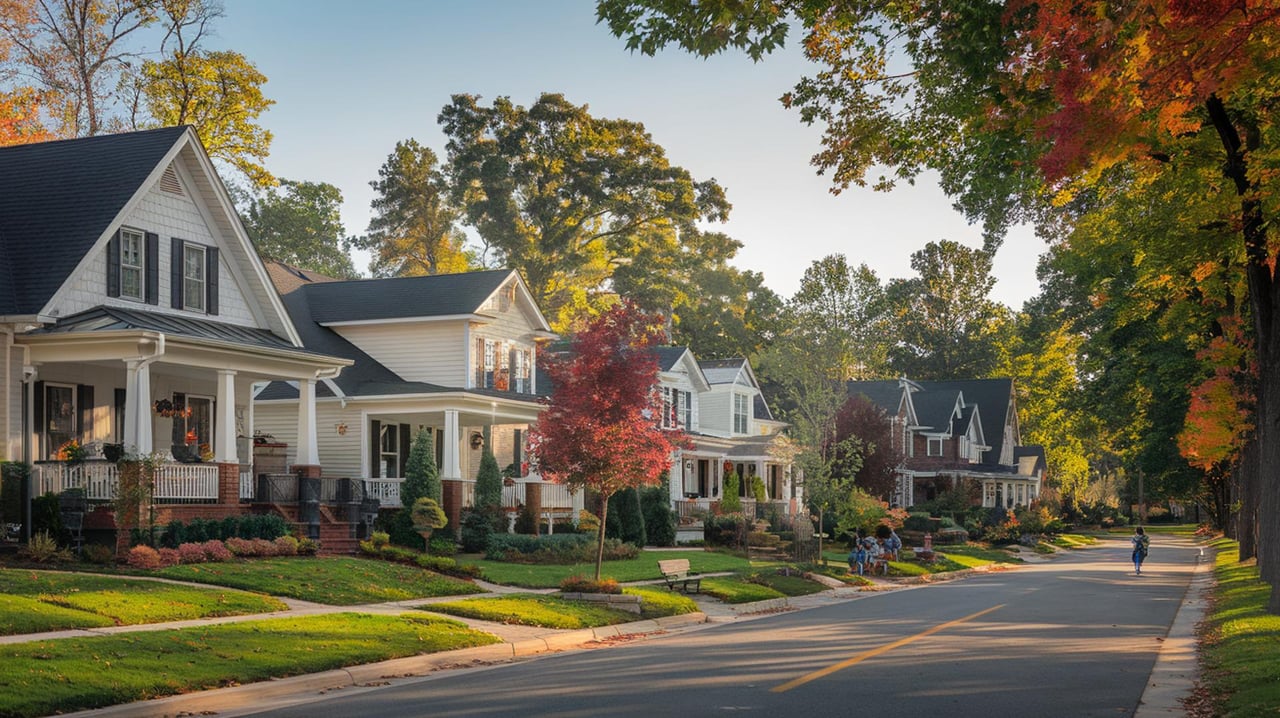
Trying to decide between Charlotte and the suburbs is really a question about how you want to live day to day. You may love the idea of being close to restaurants, parks, and transit, or you may be ready for more space, a different housing mix, and a more suburban routine. The good news is that the Charlotte area gives you several strong options, each with clear tradeoffs in price, commute, and lifestyle. Let’s dive in.
Charlotte vs. the suburbs at a glance
If you are comparing 28202 with nearby suburban towns, you are mostly comparing urban core convenience with suburban space and ownership patterns. Uptown Charlotte is more apartment- and condo-oriented, while nearby towns tend to have higher owner-occupied housing rates and more traditional residential patterns.
That does not make one choice better than the other. It simply means your best fit depends on what matters most to you, including budget, home style, commute habits, and the kind of neighborhood feel you want.
What 28202 offers
The 28202 zip code covers Charlotte’s Uptown and Center City area. Current market data shows a typical home value of $416,237, a median sale price of $404,250, and average rent of $1,882.
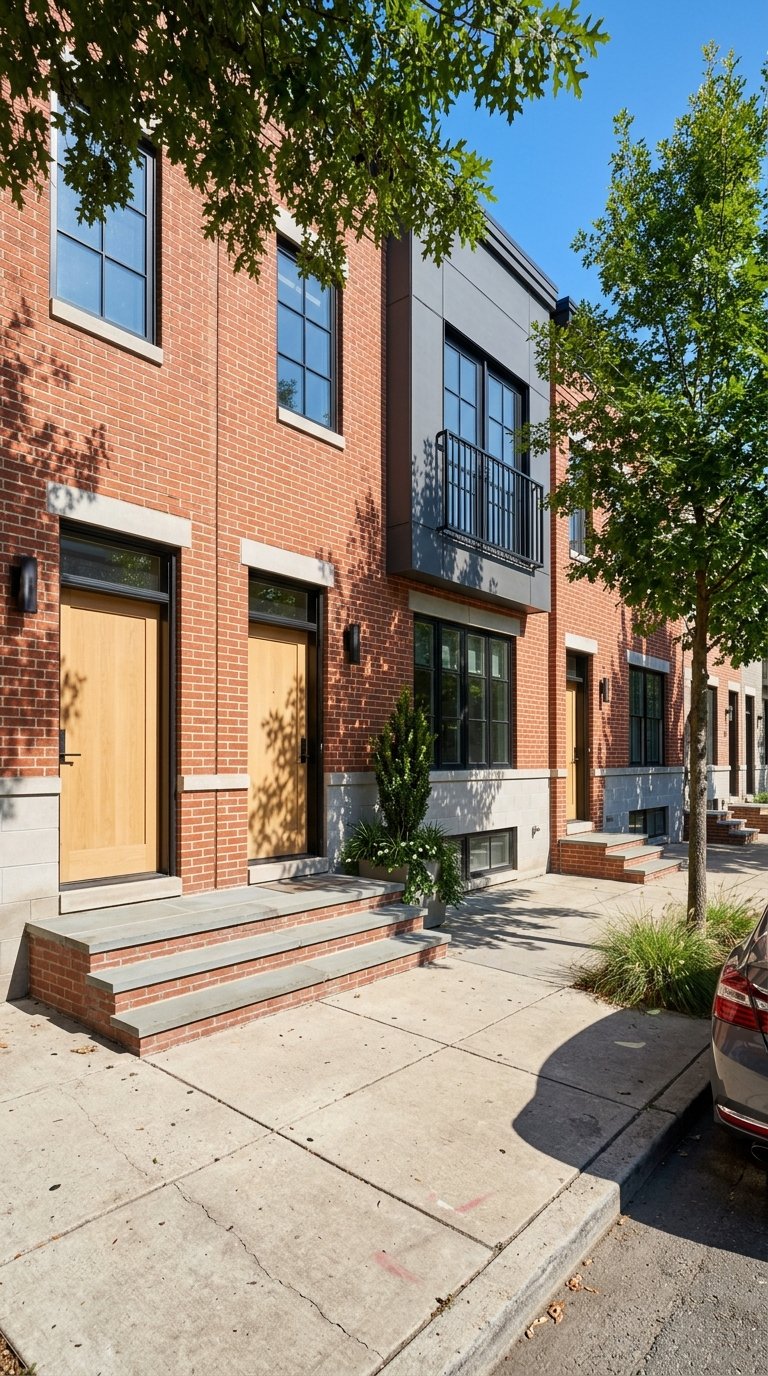
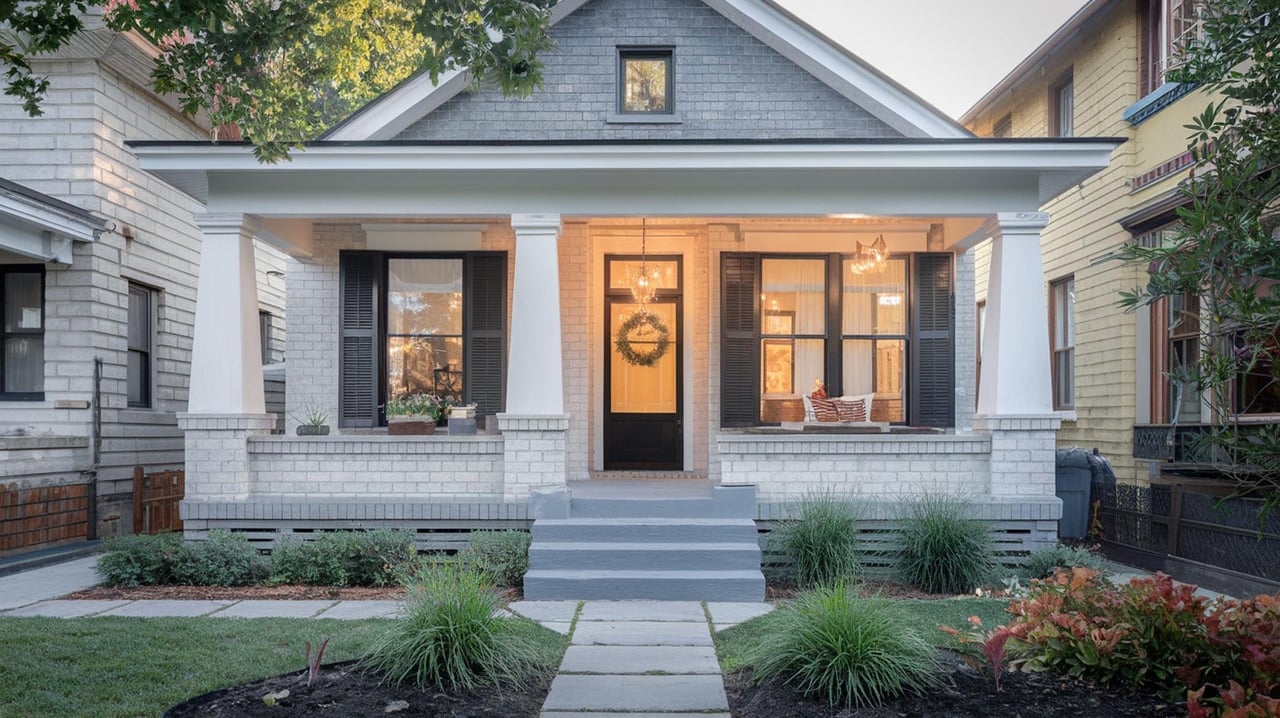
Housing in Uptown leans heavily toward apartments and condos, but the mix is broader than many buyers expect. Official Uptown Charlotte materials describe a growing residential population nearing 20,000, with historic units, apartment and condo living, and some single-family and townhouse options in First Ward.
If your ideal day includes being close to dining, parks, and a more walkable routine, Uptown stands out. It also has the clearest non-car commute option in this comparison, with the LYNX Blue Line centrally located in Uptown and 12 express routes serving the area.
Why the suburbs appeal to many buyers
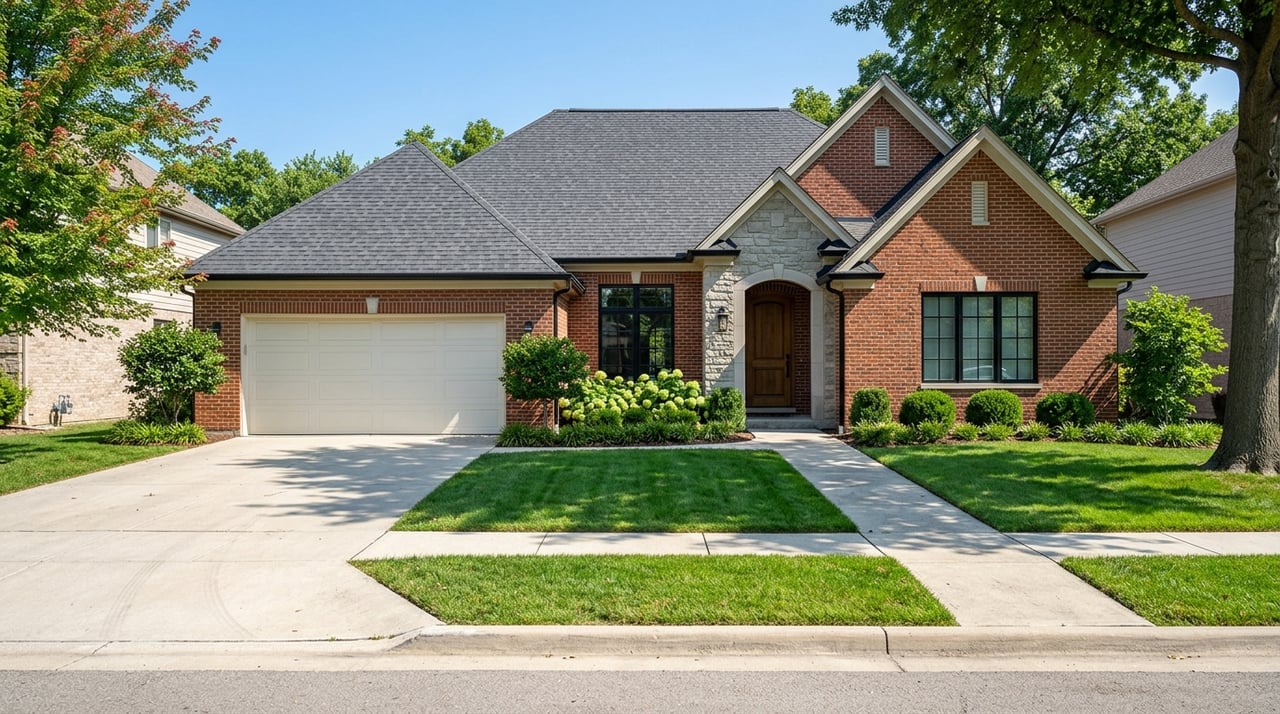
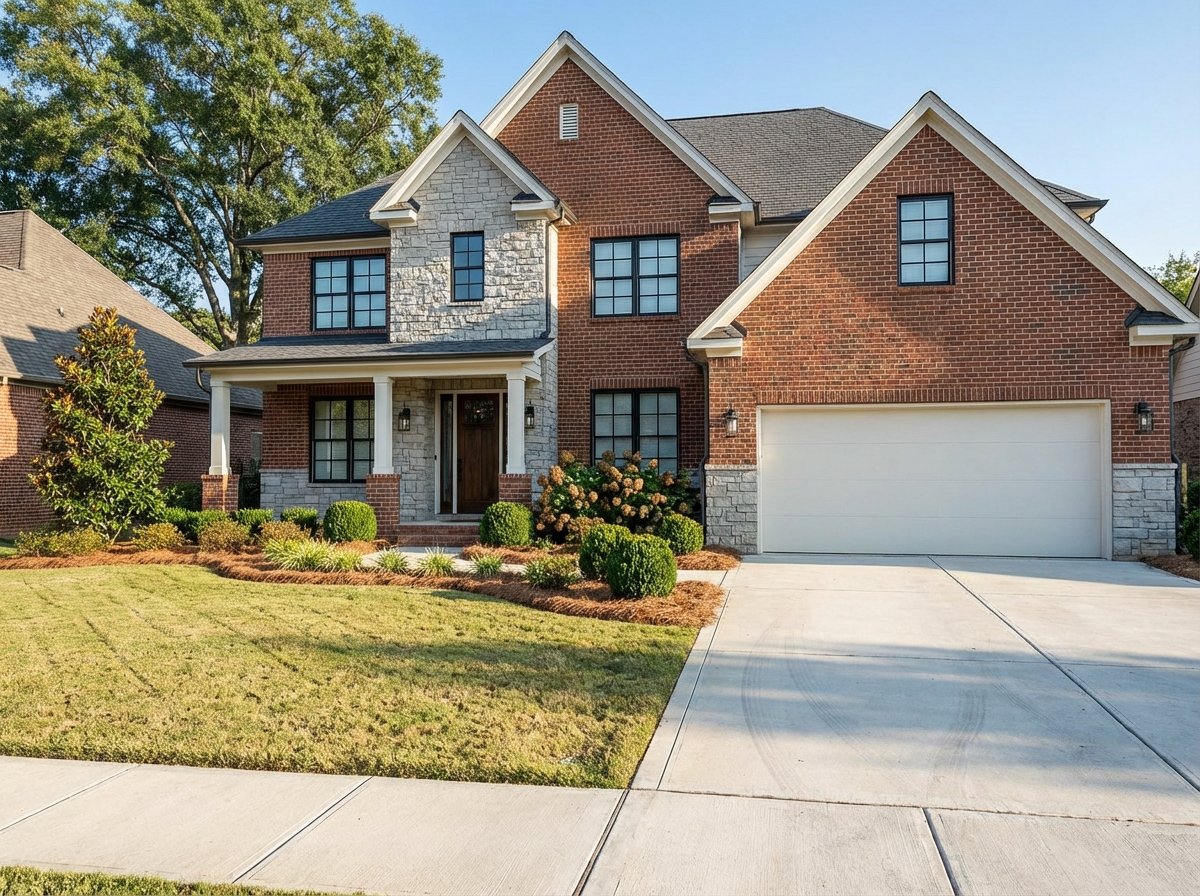
Suburban towns around Charlotte tend to offer a different rhythm. In most of these markets, owner-occupied housing rates are much higher than Charlotte’s citywide rate of 51.0%, which reflects a more residential, owner-focused housing pattern.
You may also find more single-family inventory, larger homesites in some areas, and a stronger match for move-up buyers or buyers who want new-construction options nearby. For many households, that tradeoff is worth a longer drive and a more car-first lifestyle.
How prices compare
One of the fastest ways to narrow your search is to look at the pricing spread across the area. Here is the current ladder based on typical home value data from the research provided.
| Area | Typical Home Value | Median Sale Price |
|---|---|---|
| Concord | $384,688 | $357,167 |
| Charlotte 28202 | $416,237 | $404,250 |
| Belmont | $434,466 | $431,333 |
| Harrisburg | $499,122 | $525,000 |
| Cornelius | $527,742 | $493,167 |
| Davidson | $658,840 | $610,500 |
At a high level, Concord is the value play, 28202 and Belmont sit in the middle, Harrisburg and Cornelius move higher, and Davidson is the premium outlier. That price spread alone can rule certain areas in or out depending on your goals.
Commute matters more than most buyers expect
Your home search should fit your real weekly routine, not just your wish list. If you expect to commute into Charlotte often, transportation patterns deserve a close look.
Uptown has the strongest current transit setup in this group. If you want an area where car-free or car-light living is more realistic, 28202 has the clearest advantage.
Most suburban options remain car-first. The I-77 Express Lanes provide a 26-mile managed-lane option from Uptown Charlotte north to Mooresville, which can matter if you are looking in the north corridor.
Average one-way commute times from ACS data also show some useful differences:
- Concord: 26.9 minutes
- Cornelius: 25.4 minutes
- Davidson: 24.2 minutes
- Harrisburg: 29.6 minutes
- Belmont: 26.5 minutes
These are averages, not exact drive times to your office. Still, they help show the general pattern, with Harrisburg on the longer end and Davidson on the shorter end of this group.
Best fit for an urban lifestyle
Choose Uptown for convenience
If you care most about walkability, transit access, and being close to dining and everyday activity, 28202 is the clearest fit. It is especially appealing if you are comfortable with condo or apartment-style living and do not need a larger lot.
This option can also make sense if you want less dependence on a car. Compared with the suburbs in this comparison, Uptown gives you the most established transit access right now.
Best fit for value and town-center feel
Concord offers the lowest entry point
Concord stands out as the most value-oriented option in this set based on current home values and median sale prices. Downtown Concord describes itself through historic charm, local dining, boutiques, and arts and entertainment, which gives it a town-center identity without Uptown pricing.
If you want a market that balances character and affordability, Concord deserves a hard look. It can be a strong match for buyers who want more home for the money while staying connected to an active downtown setting.
Belmont balances price and charm
Belmont sits in the mid-$400,000 range and offers a different version of the town-center lifestyle. City materials highlight small-town charm, access to Charlotte and waterways, and a planning approach centered on walkable, sustainable neighborhoods.
Belmont also has a future transit angle. It is part of the planned Silver Line corridor, which may matter if you are thinking long term, though it is not a current rail commute option today.
Best fit for premium suburban living
Cornelius centers on lake access
Cornelius is a higher-priced suburban market with a strong Lake Norman identity. Planning documents emphasize shoreline, waterfront development, parks, and greenways, supporting a lifestyle where recreation and water access are central.
If lake-oriented living is high on your list, Cornelius offers a clear niche. The tradeoff is a higher typical price point than Charlotte, Concord, Belmont, or Harrisburg.
Davidson brings historic character
Davidson has the highest typical home value in this comparison at $658,840. Town planning and preservation materials focus on protecting the historic core, preserving small-town character, and balancing mobility, public space, and sustainability.
If you are looking for a premium small-town setting with a well-defined identity, Davidson stands apart. It is the priciest market in this group, but for some buyers, that historic character and established setting are exactly the draw.
Best fit for more space
Harrisburg leans suburban and spacious
Harrisburg appeals to buyers who want a more suburban feel and often more space. Official town materials highlight premium housing, large homesites, parks and recreation, local events, and low taxes.
The tradeoff is usually commute time. Harrisburg has the longest average one-way commute in this comparison at 29.6 minutes, which may be perfectly reasonable for you if space matters more than proximity.
A simple way to decide
If you are torn between Charlotte and the suburbs, try ranking your priorities in this order:
- Housing type: condo, townhouse, or single-family home
- Budget: what monthly payment or price range feels comfortable
- Commute style: transit-friendly or mostly driving
- Daily lifestyle: walkable core, town-center setting, lake access, or larger-lot suburb
- Long-term plan: first home, move-up purchase, or a home you expect to stay in longer
When you do that, the options usually start to separate themselves quickly. Uptown is about convenience and density, Concord and Belmont blend value with town-center appeal, Cornelius and Davidson serve more premium lifestyle goals, and Harrisburg offers a more space-driven suburban tradeoff.
The right move depends on your routine
There is no universal best answer between Charlotte and the suburbs. The smarter question is which market fits your schedule, housing goals, and budget with the fewest compromises.
If you want help comparing specific neighborhoods, price points, or home styles across the Charlotte area, working with a broker who knows the suburban market can save you time and sharpen your decision. If you are weighing your next move in Charlotte, Concord, Cornelius, Davidson, Harrisburg, or Belmont, David Wishon can help you compare your options with clear local insight and a practical plan.
FAQs
What is the main difference between Charlotte 28202 and nearby suburbs?
- Charlotte 28202 offers a more urban, apartment- and condo-oriented lifestyle with stronger current transit access, while nearby suburbs are generally more owner-occupied and more car-first.
Which Charlotte-area suburb has the lowest typical home value in this comparison?
- Concord has the lowest typical home value in this group at $384,688 based on the research provided.
Which Charlotte-area suburb has the highest typical home value in this comparison?
- Davidson has the highest typical home value in this comparison at $658,840.
Is Uptown Charlotte better for transit than the suburbs?
- Uptown has the clearest current transit advantage because the LYNX Blue Line is centrally located there and 12 express routes serve the area.
Which suburb may work best if you want more space near Charlotte?
- Harrisburg may be a good fit if your priority is larger homesites and a more suburban feel, and you are comfortable with a longer average commute.
Which Charlotte-area suburb fits a lake-oriented lifestyle?
- Cornelius is the clearest fit for a lake-oriented lifestyle because town planning materials emphasize Lake Norman shoreline, waterfront development, parks, and greenways.