Thinking about selling your Charlotte home in 28202? A strong market can help, but it does not replace a smart plan. If you want to protect your price, reduce surprises, and move from listing to closing with more confidence, this checklist will help you focus on what matters most. Let’s dive in.
Understand the Charlotte market first
Before you make repairs or pick a list price, it helps to know what kind of market you are stepping into. According to Canopy MLS market data for January 2026, the City of Charlotte had 2.4 months of supply, Mecklenburg County had 2.3 months, and the broader region had 2.7 months. That still points to a seller-leaning market, but it is more balanced than the tightest recent years.
The same report shows a median sales price of $410,000 in the city and $440,000 in Mecklenburg County. Homes also took longer to sell, with 63 days on market in the city and 64 days in Mecklenburg County. For you, that means pricing discipline and presentation matter more than ever.
Canopy also reported that buyers were responding to well-priced, move-in-ready homes. If your home is clean, well-prepared, and priced with current conditions in mind, you are in a better position to attract serious interest early.
Start with a pre-listing game plan
A successful sale usually starts weeks before your home hits the market. The goal is to make good decisions early, not rush through them later. That includes pricing, paperwork, repairs, and presentation.
Review pricing carefully
Your asking price shapes everything that follows, from showings to offers to negotiation strength. In a market where inventory has increased and buyers have more options, a current comparative market analysis is one of the most important tools you can use.
The January 2026 Charlotte data shows homes are taking longer to sell and sellers are not always getting full original list price. That makes an accurate launch price more important than simply aiming high and hoping the market catches up. A well-priced home can create stronger early momentum.
Declutter and deep clean
If buyers cannot see the space clearly, they may struggle to connect with it. The National Association of Realtors 2025 staging report found that 91% of seller agents recommended decluttering, 88% recommended cleaning the entire home, and 77% recommended improving curb appeal.
This is one of the simplest ways to improve your listing before photos and showings begin. Remove extra furniture, clear counters, organize storage areas, and make each room feel open and easy to understand. Clean homes also signal that the property has been cared for.
Focus on the rooms buyers notice most
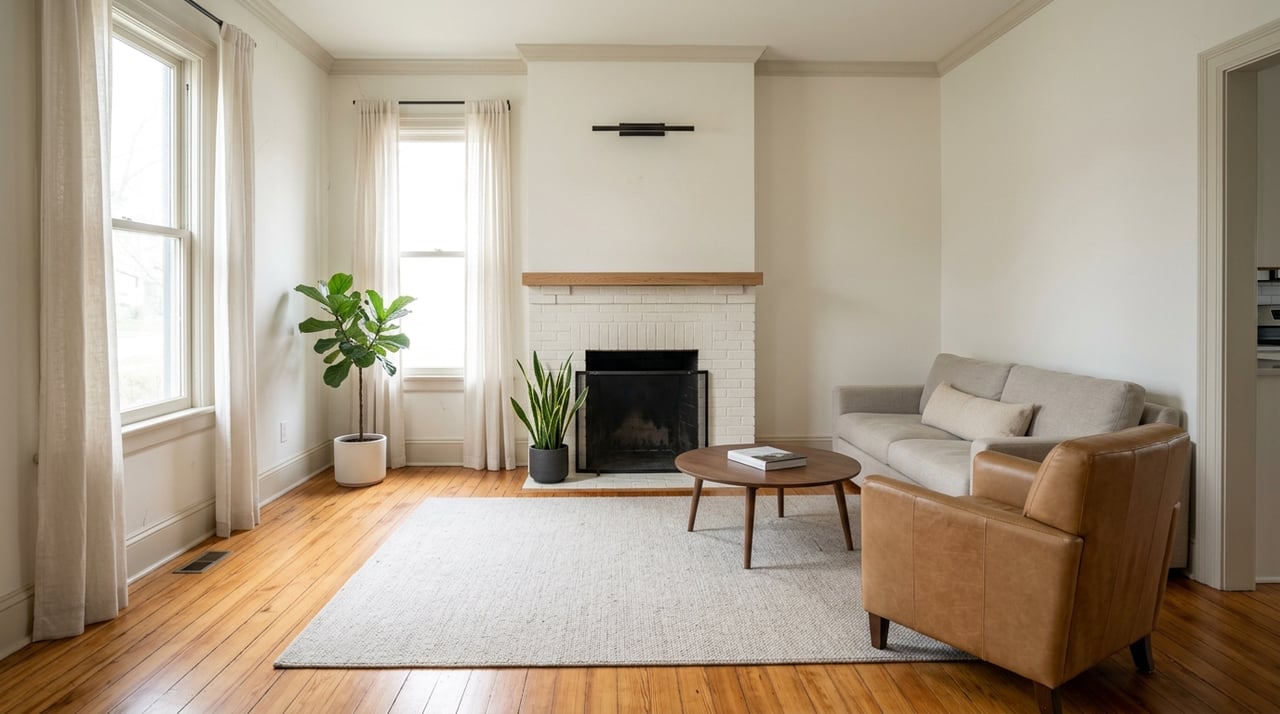
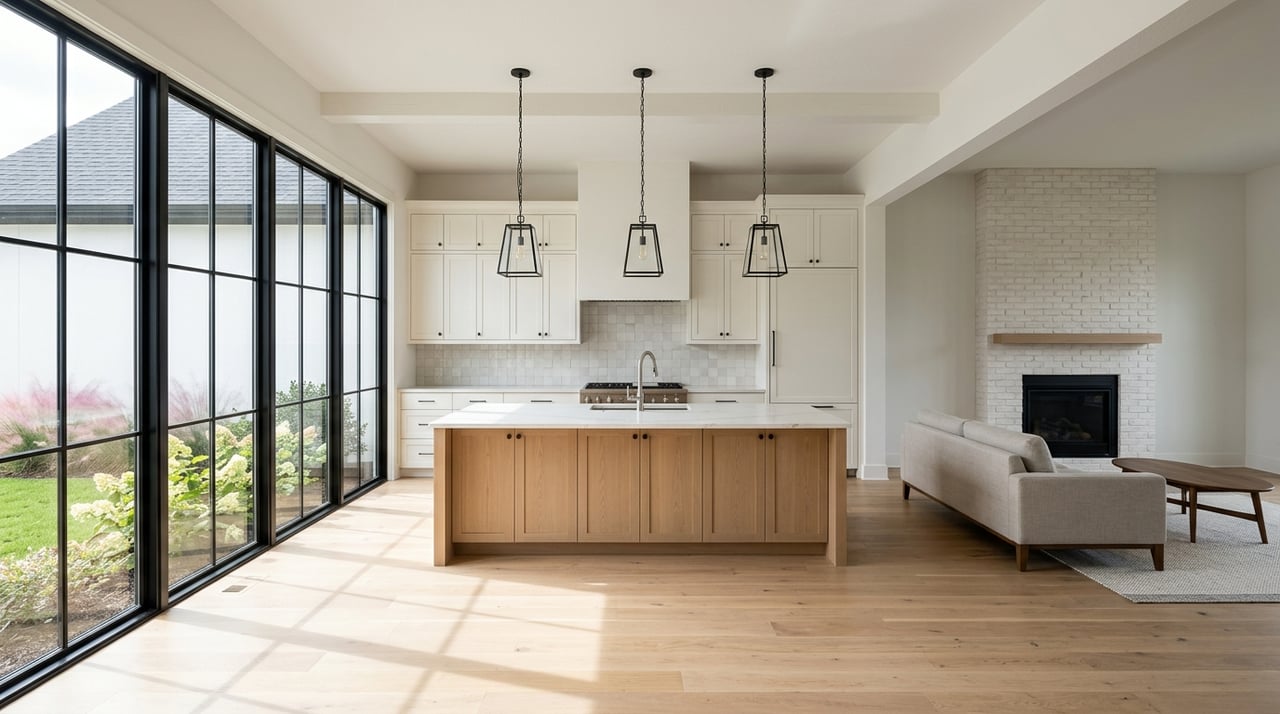
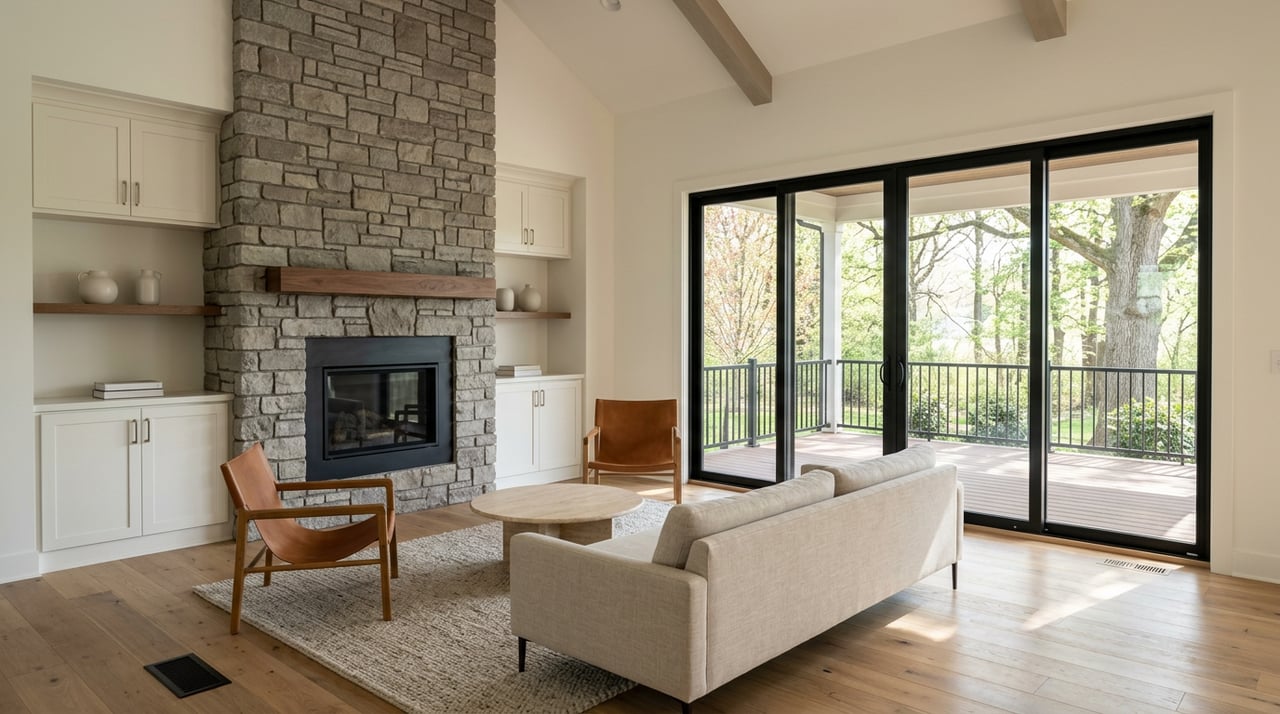
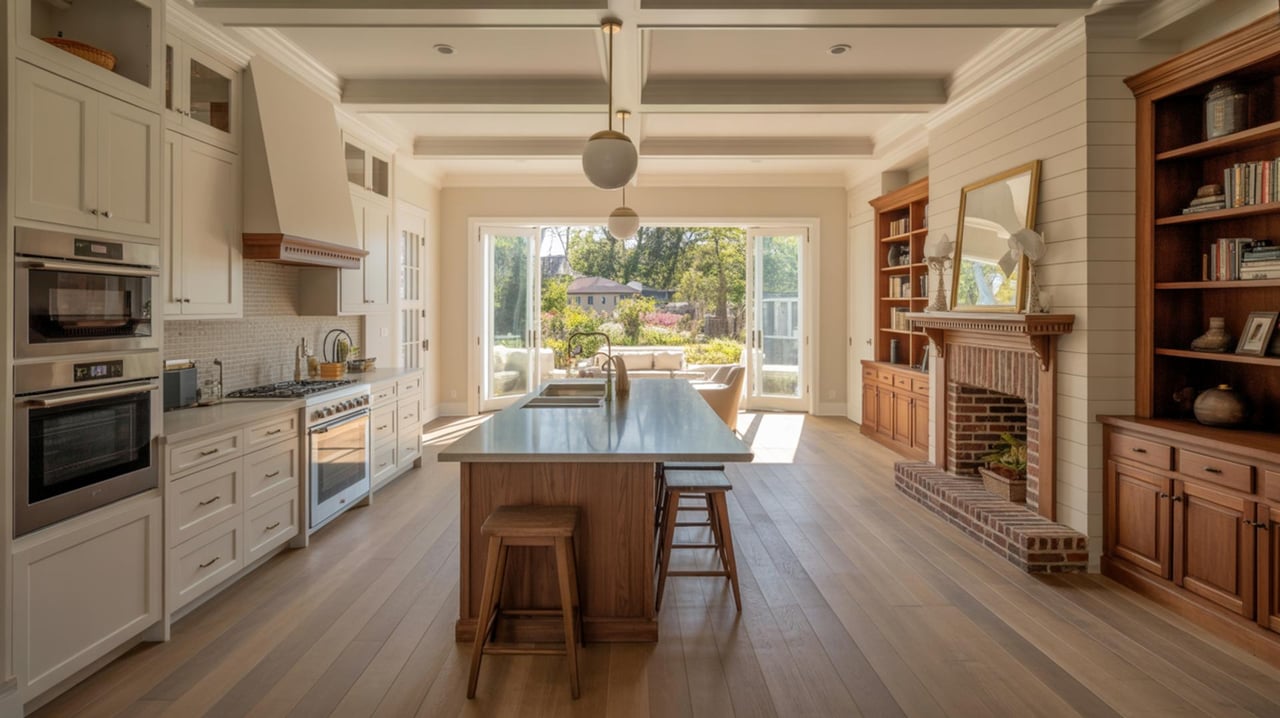
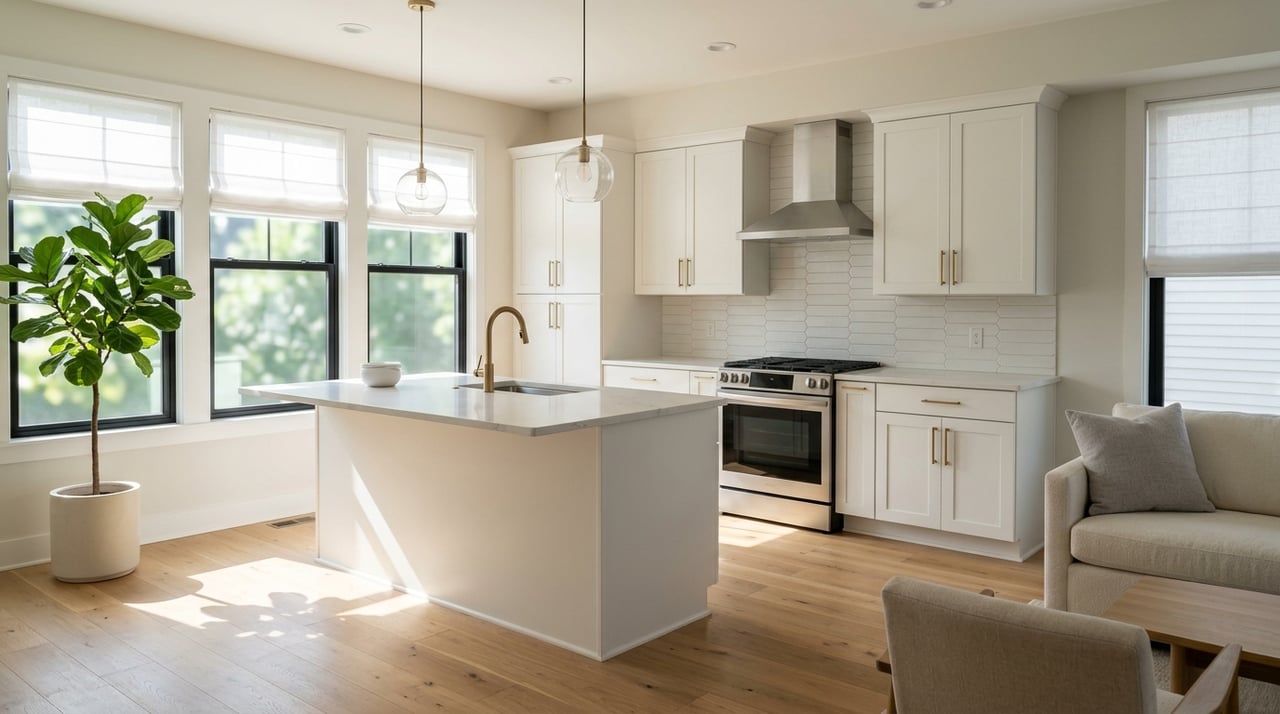
Not every room carries the same weight during a sale. NAR found that the rooms buyers care about most include the living room, primary bedroom, and kitchen. Those spaces should look polished in person and in your online photos.
If your budget or timeline is limited, start there. Fresh bedding, lighter decor, cleaner sightlines, and better lighting can go a long way. In many cases, small presentation updates can make a stronger impact than larger projects.
Improve curb appeal
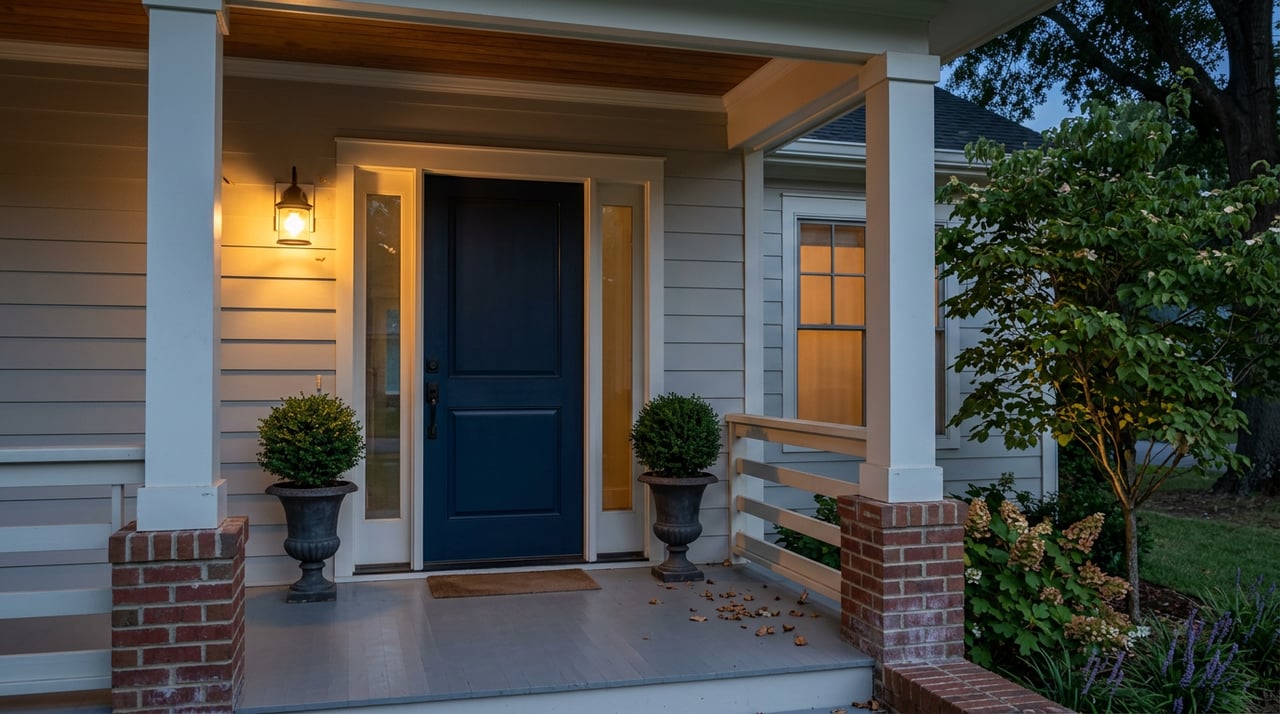
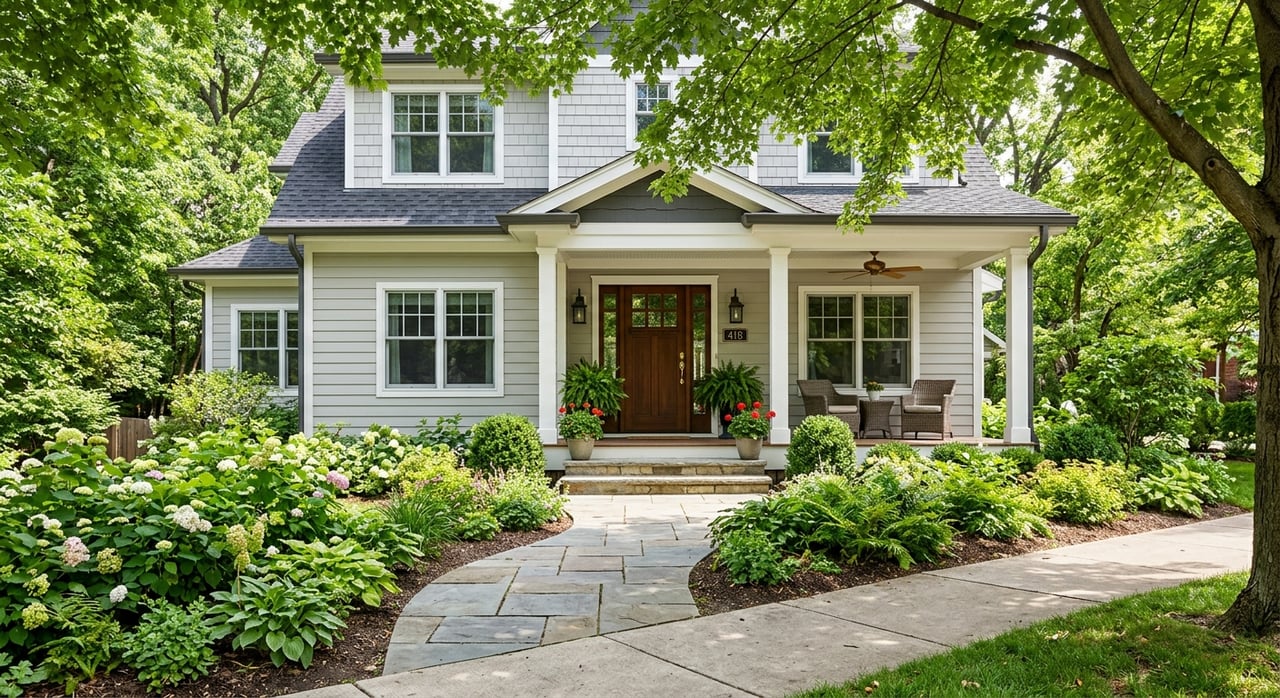
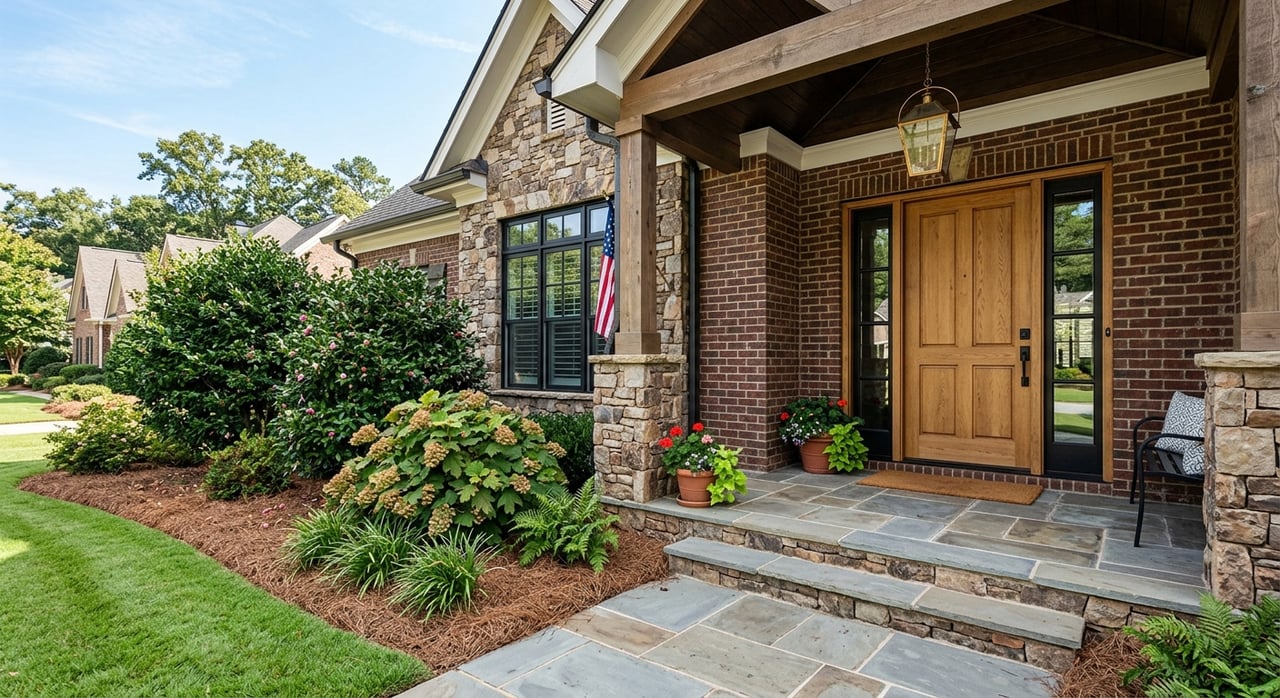
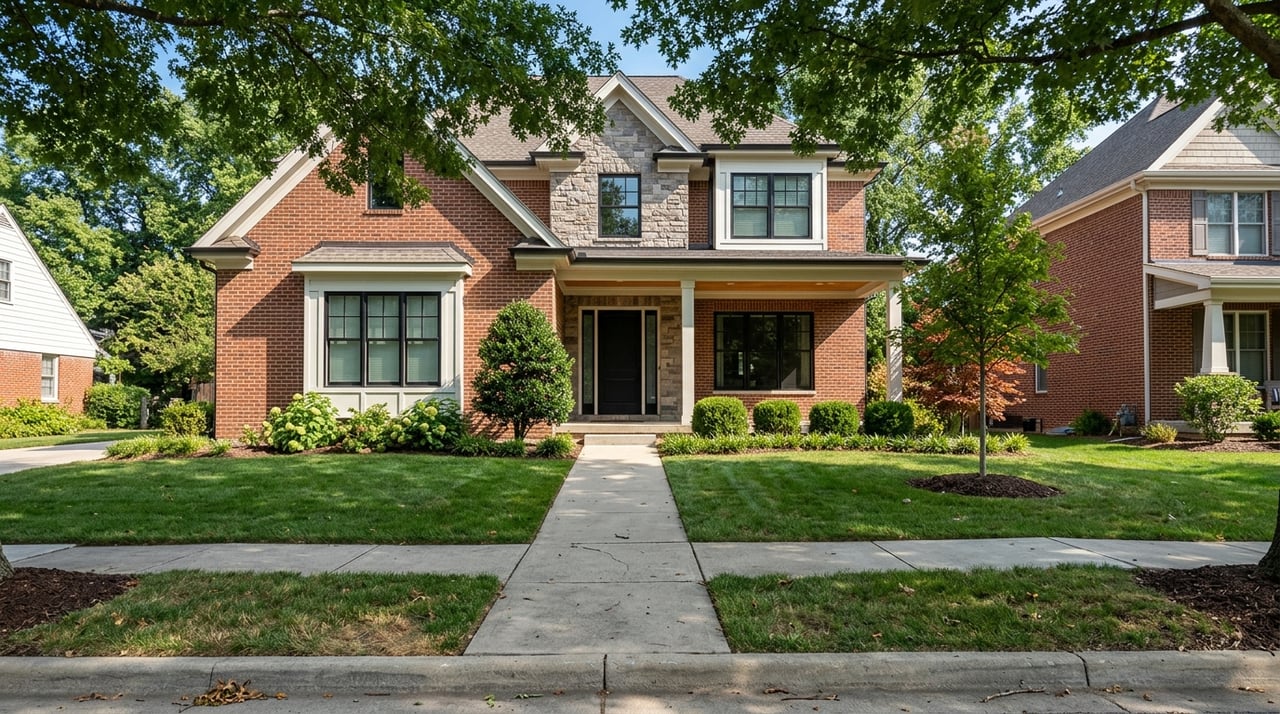
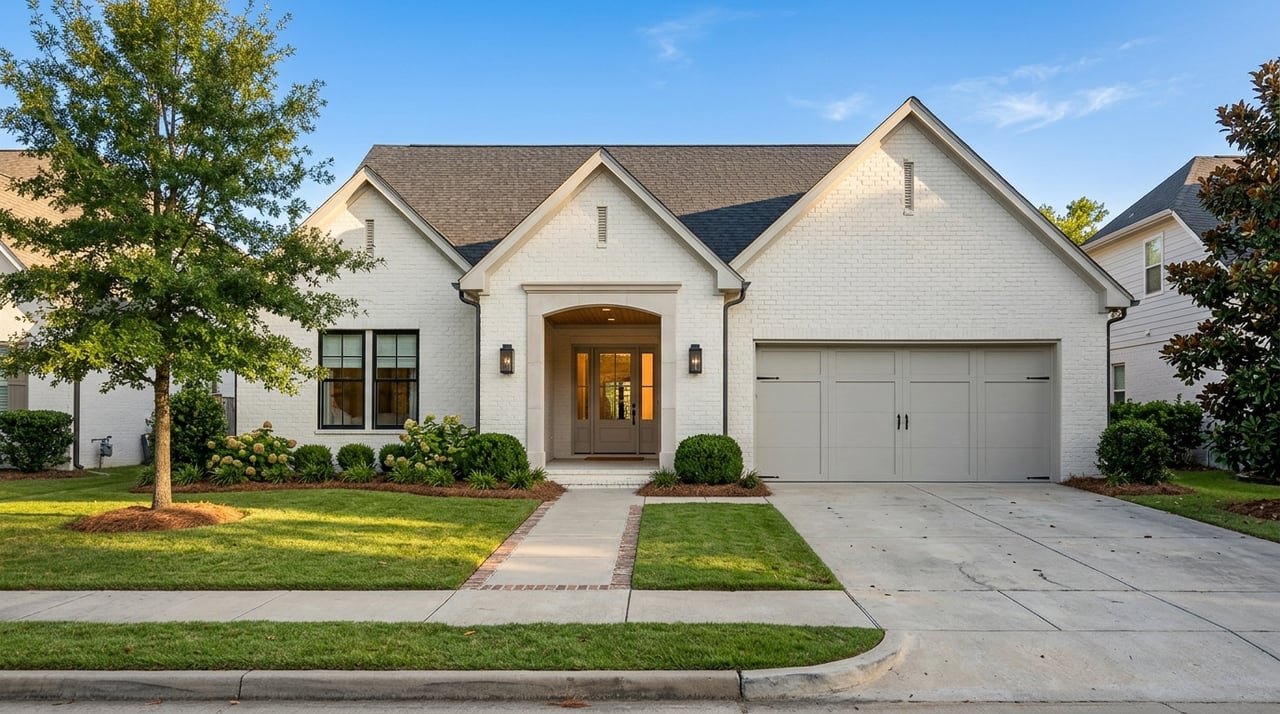
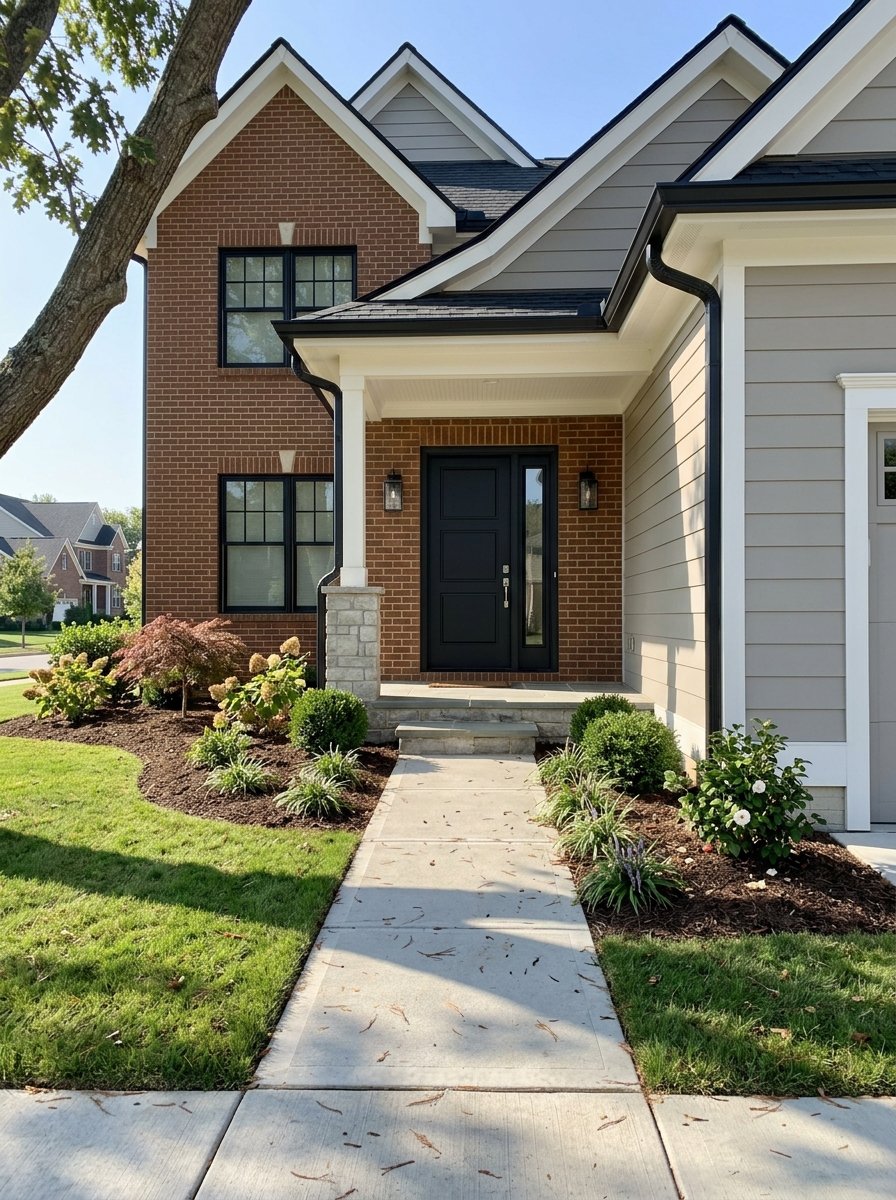
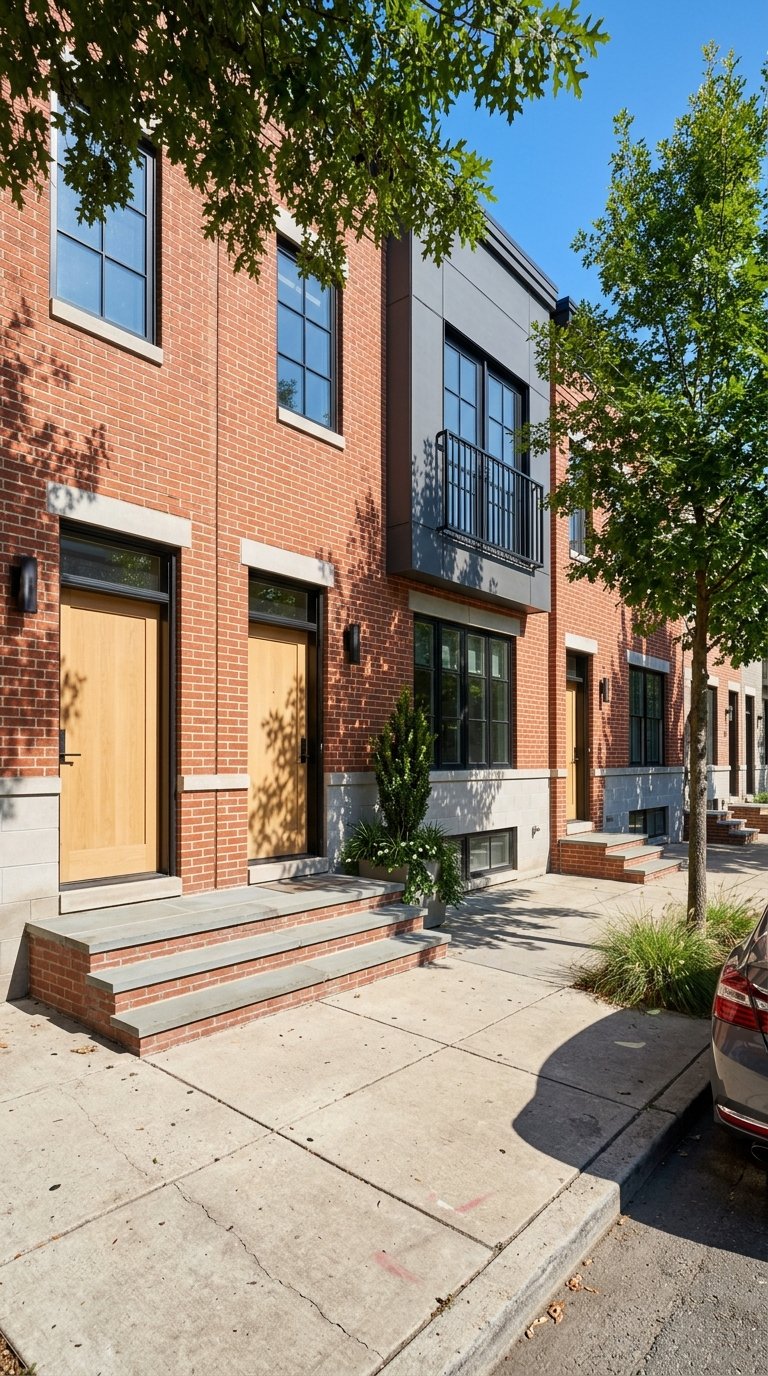
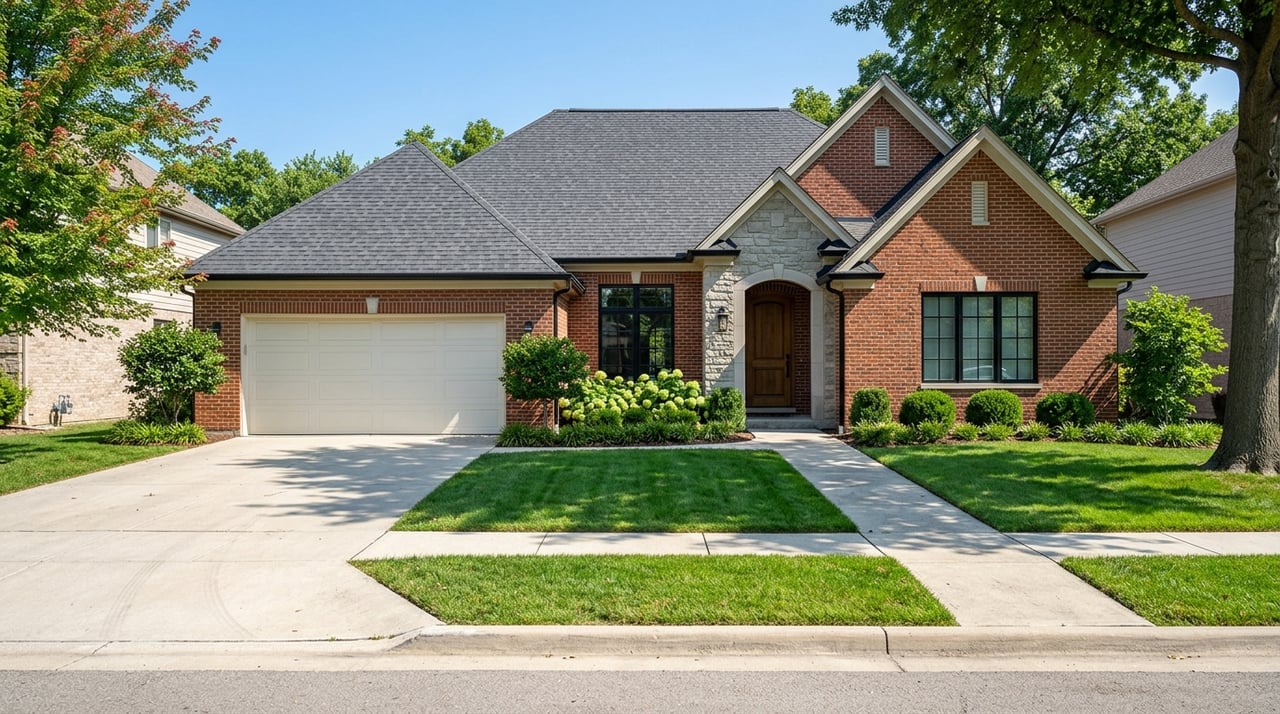
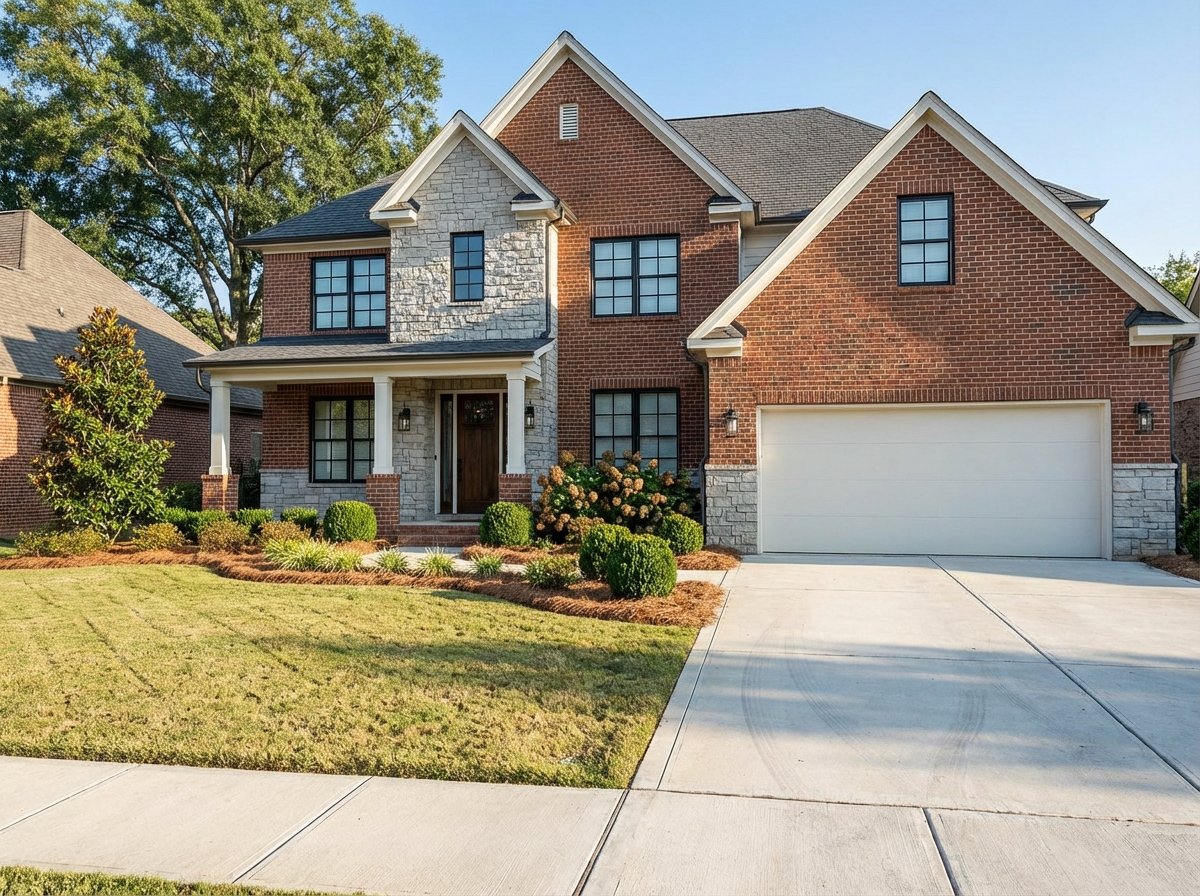
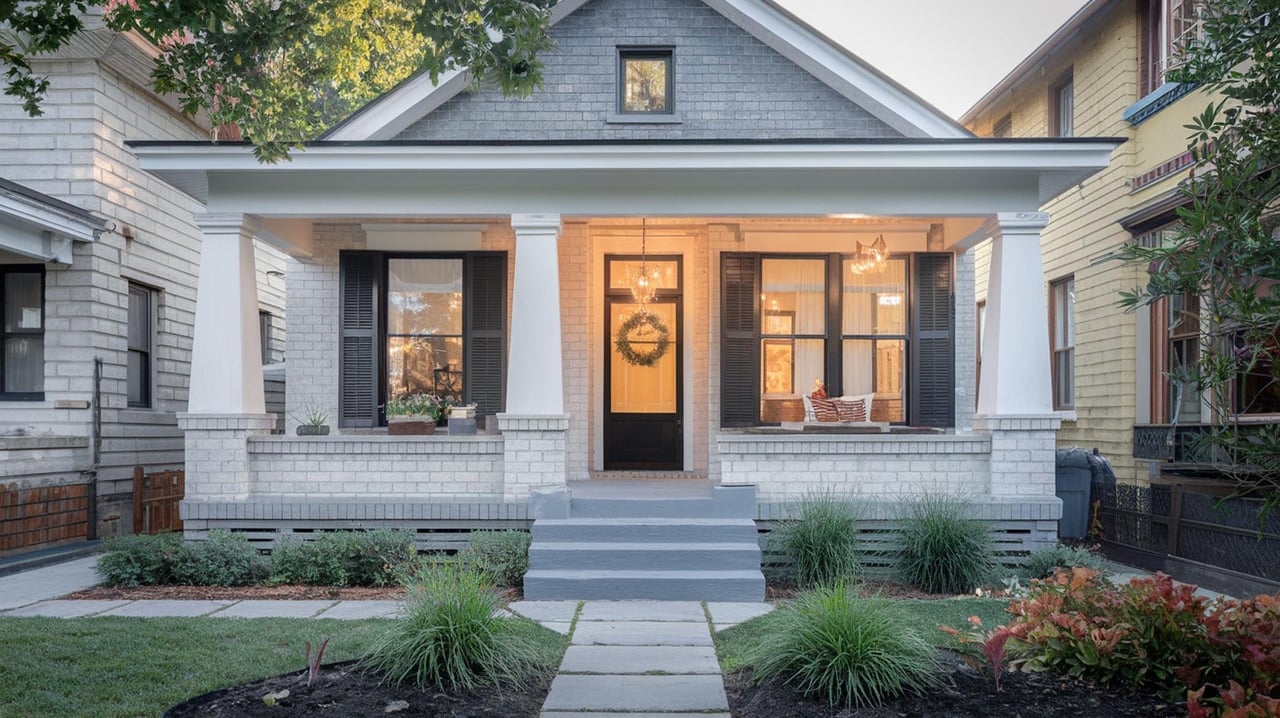
Your exterior creates the first impression, both online and in person. Trim landscaping, pressure wash surfaces if needed, sweep walkways, and make the entry feel welcoming. Buyers often form an opinion before they ever step inside.
This matters even more in a market where buyers are comparing more listings. If your home looks cared for from the street, it sets a better tone for the full showing experience.
Gather disclosures and documents early
North Carolina sellers have important disclosure responsibilities, so this should not wait until the last minute. Under the Residential Property Disclosure Act, sellers of most 1- to 4-unit residential properties must provide a Residential Property Disclosure Statement no later than when the buyer makes an offer.
The disclosure covers topics such as water and sewer systems, structural components, plumbing, electrical, heating and cooling systems, infestation or damage, encroachments, zoning, restrictive covenants, and environmental hazards. If something changes and a disclosure becomes materially inaccurate, you must correct it promptly.
If your property is part of an HOA or subject to mandatory covenants, North Carolina also requires an owners’ association and mandatory covenants disclosure statement. That form includes dues, services covered by dues, special assessments, transfer fees, and certain legal matters affecting the association.
North Carolina also requires a mineral and oil and gas rights disclosure for most residential transfers. Because the paperwork can be broader than sellers expect, it helps to organize everything early and keep it updated throughout the transaction.
Pull permits and repair records
If you have completed major repairs or improvements, gather invoices, warranties, permits, and contractor information before you list. This helps answer buyer questions and can reduce delays during due diligence.
It also matters from a disclosure standpoint. According to NCREC guidance, some issues can still be material facts even if repairs were attempted. A clean paper trail supports a smoother review process once your home is under contract.
Follow a simple seller timeline
A checklist works best when it is tied to a timeline. Here is a practical way to structure your prep before listing in Charlotte.
6 to 8 weeks before listing
- Choose your listing strategy
- Review current market data and pricing
- Start decluttering and packing non-essentials
- Gather disclosure forms, permits, invoices, and HOA documents
3 to 4 weeks before listing
- Finish high-priority repairs
- Deep clean the home
- Stage key rooms such as the living room, primary bedroom, and kitchen
- Prepare for listing photos and showings
Launch week
- Finalize professional photos
- Make the home easy to show
- Watch early feedback closely
- Be ready to adjust quickly if needed
That launch window matters. Canopy reported that Charlotte listings still averaged 4.7 showings per property in January 2026, so access and presentation still play a big role in your early momentum.
Prepare for showings and offers
Once your home is live, your job shifts from prep to responsiveness. Buyers in today’s market are active, but they are also selective. A polished launch package can help you stand out.
Make showings easy
Flexible access can increase your chances of attracting motivated buyers. Keep the home clean, lights on when appropriate, and daily routines simple enough to support showings with limited notice. The easier your home is to tour, the more opportunities you create.
Professional photos also matter. NAR reported that buyers place high value on photos, physical staging, videos, and virtual tours, so your online presentation should be strong from day one.
Pay extra attention with condos and townhomes
If you are selling a condo or townhome in or near Uptown Charlotte, pricing and presentation may require even more care. Canopy reported about 3.7 months of supply for condos and 3.2 months for townhomes in January 2026, which is higher than some single-family segments.
More attached-home inventory can give buyers more choices. That means your pricing, property condition, and HOA documentation should be especially sharp if your home falls into one of those categories.
Look beyond price in negotiations
The best offer is not always the one with the highest number at the top. You also need to review the closing date, repair requests, repair credits, HOA transfer items, and your estimated net proceeds.
In a market with more supply, prepared sellers often have an advantage because they can respond quickly and clearly. A strong negotiation strategy keeps the full picture in view, not just the headline price.
Know what happens after you go under contract
Getting under contract is a major milestone, but it is not the finish line. In North Carolina, the closing process includes legal oversight, title work, tax adjustments, and lender coordination.
Expect an attorney-supervised closing
North Carolina is an attorney-supervised closing state. The North Carolina Bar Association explains that a licensed North Carolina attorney must supervise all material aspects of a residential closing, provide the title opinion, and answer questions at closing.
Title review can include deeds of trust, judgments, unpaid taxes, easements, and use restrictions found in public records. If you have a mortgage or other lien, payoff information should be lined up early so the closing attorney can handle disbursement smoothly.
Plan for taxes and seller costs
Your closing statement will include more than just your mortgage payoff. The NC Bar Association tax proration guidance explains that property taxes are prorated on a calendar-year basis unless the contract says otherwise.
Mecklenburg County says the county property tax rate is 49.27 cents per $100 of assessed value. Tax bills are due September 1 and become delinquent after early January, so your closing figures will usually include a tax credit or debit based on timing.
North Carolina also charges an excise tax on real estate conveyances at $1 per $500 of consideration or fractional part thereof, paid by the transferor before recording. That is a standard seller expense and should be part of your net sheet from the beginning.
Keep insurance in place until closing is complete
Even after documents are signed, the transaction is not fully finished until closing requirements are met and funds are disbursed. The NC Bar Association advises sellers to keep homeowners insurance in place until they have received their sale proceeds.
This is a small but important detail that can help protect you during the final stretch of the transaction.
Work with a broker who manages the details
Selling a home in Charlotte today is about more than putting a sign in the yard. It takes pricing judgment, preparation, polished marketing, careful disclosure management, showing coordination, and follow-through from listing to closing.
That is where a full-service, broker-led approach can make a real difference. The most important moments usually happen in the first two weeks before listing, the first 48 hours after an offer arrives, and the final steps before closing. Having a direct, accountable point of contact can help you stay organized, make better decisions, and reduce surprises along the way.
If you are getting ready to sell in Charlotte and want a clear plan built around pricing, presentation, and execution, connect with David Wishon for personalized guidance.
FAQs
What should you do first before selling a home in Charlotte?
- Start with a current market analysis, then build a plan for pricing, decluttering, repairs, staging, and disclosures before listing.
How long does it take to sell a home in Charlotte, NC?
- January 2026 Canopy data showed 63 days on market in the City of Charlotte, while the regional list-to-close timeline reached 114 days.
What disclosures are required when selling a home in North Carolina?
- Most sellers of 1- to 4-unit residential properties must provide a Residential Property Disclosure Statement, and some properties also require HOA and mineral or oil and gas rights disclosures.
What rooms matter most when preparing a Charlotte home for sale?
- NAR’s 2025 staging report identified the living room, primary bedroom, and kitchen as especially important spaces to prioritize.
Do condo and townhome sellers in Charlotte need a different strategy?
- Yes. With higher supply levels in attached housing, condo and townhome sellers should pay close attention to pricing, presentation, and HOA documentation.
Who handles the closing when you sell a home in North Carolina?
- A licensed North Carolina attorney must supervise the material aspects of a residential closing and provide the title opinion.