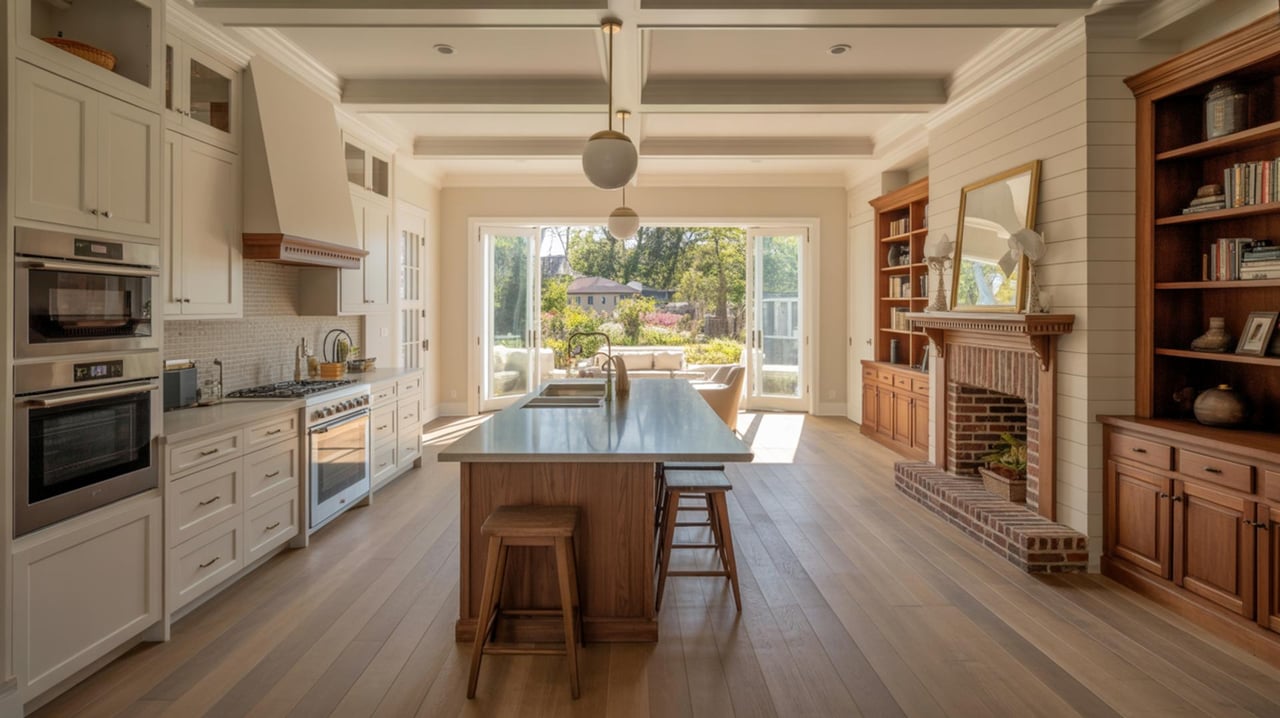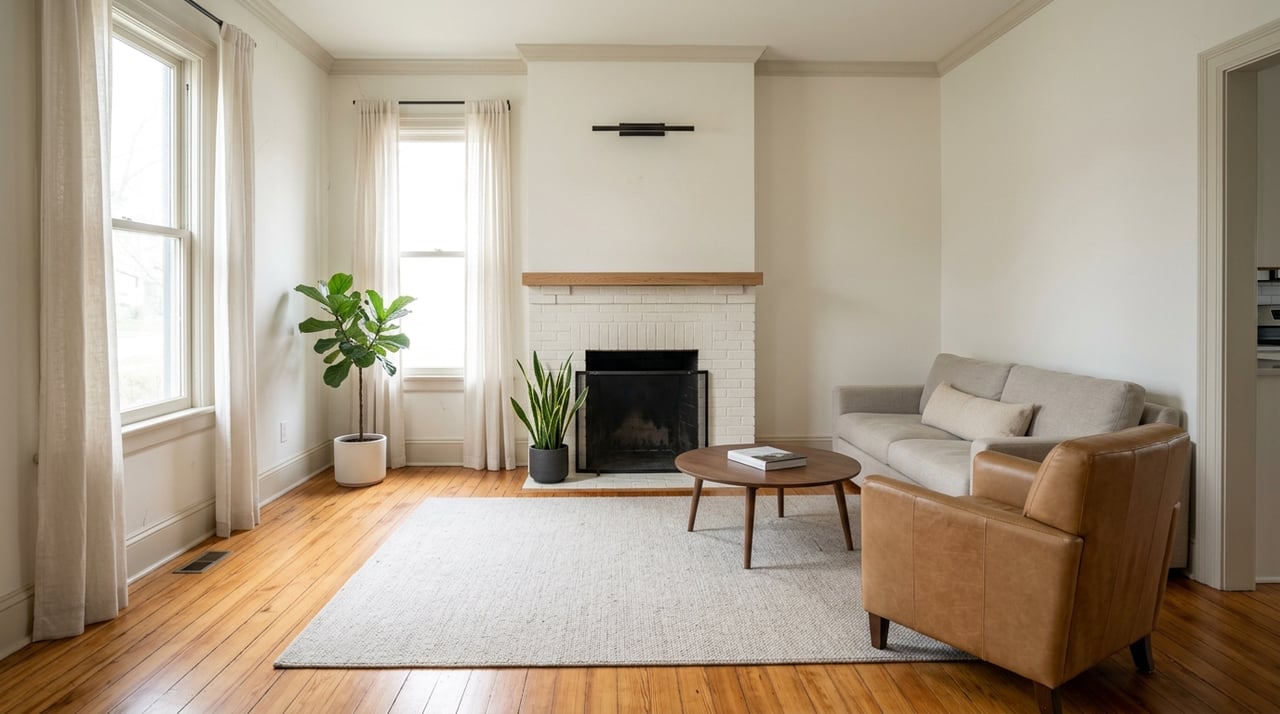
Wondering whether a brand-new home or a historic property is the smarter buy in Belmont? You are not alone. In a market where price, condition, neighborhood feel, and future resale all matter, the right choice often comes down to how you want to live now and what you want your home to do for you later. This guide will help you compare Belmont new construction and historic homes with more clarity so you can make a confident decision. Let’s dive in.
Belmont housing market at a glance
Belmont continues to grow, which helps explain why buyers are weighing both newer subdivisions and older neighborhoods more carefully. The city’s population was estimated at 16,415 in July 2025, up 9.4% from 2020.
The local housing market also looks fairly balanced. Current reporting for 28012 shows 449 homes for sale, a median listing price of $527,000, about 44 days on market, and a 99% sale-to-list ratio. The Canopy Realtor Association’s April 2026 update for Belmont shows a median sales price of $502,318 and 3.4 months of inventory.
For you as a buyer, that means one simple thing: broad labels alone will not tell you which home is better. In Belmont, the better purchase is usually the one that fits your budget, your maintenance tolerance, and your long-term plans.
Why Belmont makes this choice unique
Belmont is not just another fast-growing suburb. The city describes itself as the only city in the Charlotte metro located entirely on a peninsula, and its planning approach emphasizes walkable and sustainable communities.
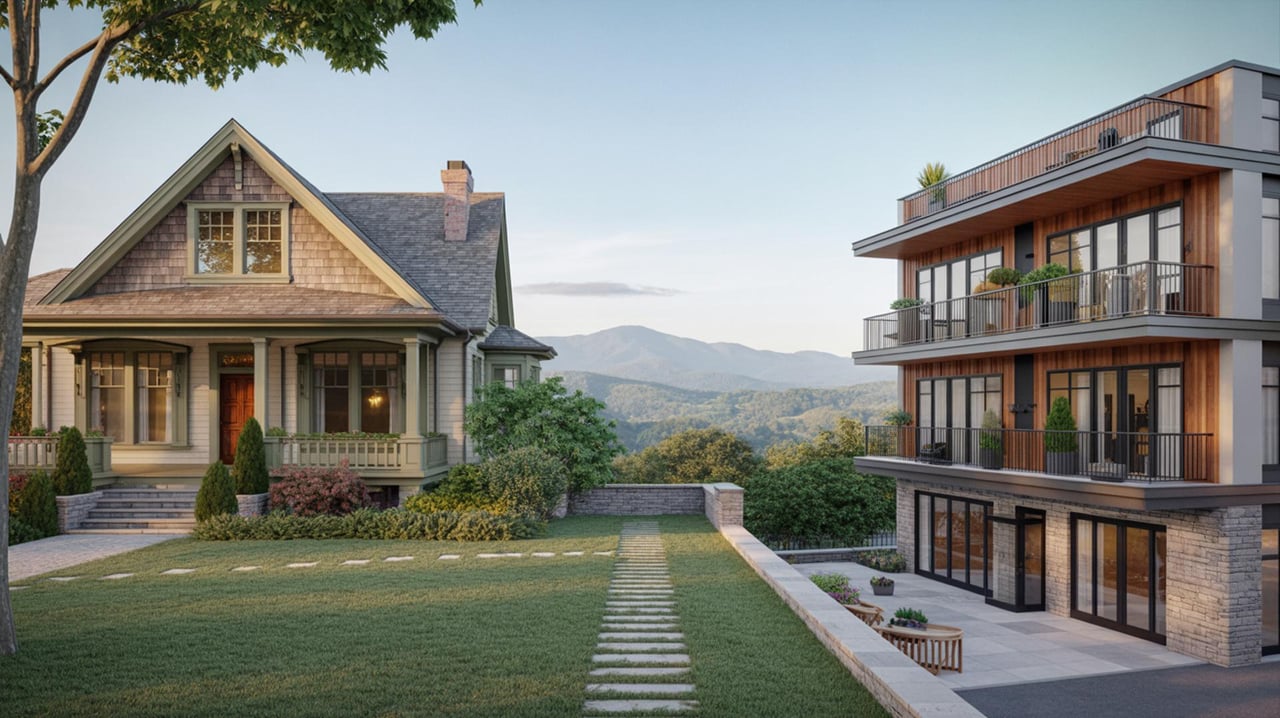
At the same time, Belmont has deep historic roots. The city connects its growth to the railroad’s arrival in 1871, the founding of Belmont Abbey in 1872, and the textile-era mill villages that shaped many of its older streets and homes. That mix of past and present is exactly why the new-versus-historic decision feels so relevant here.
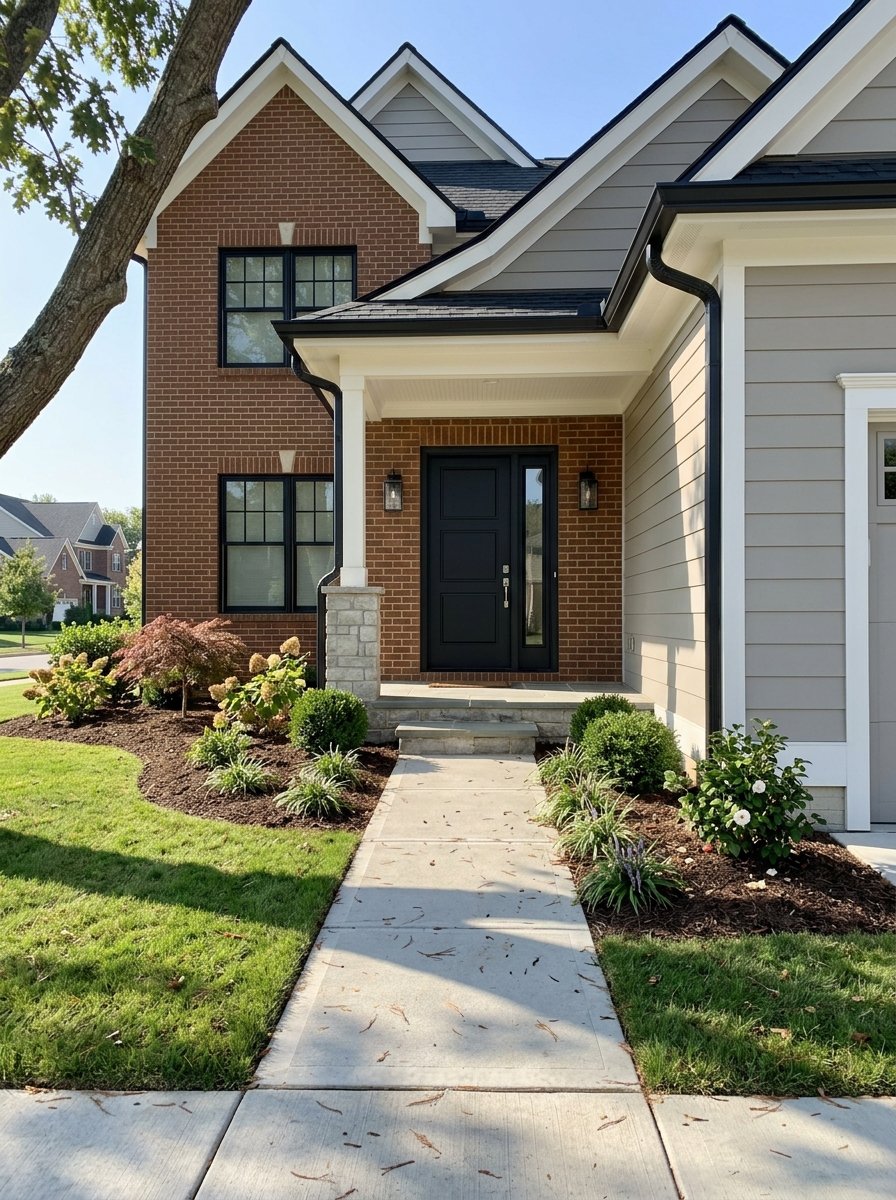
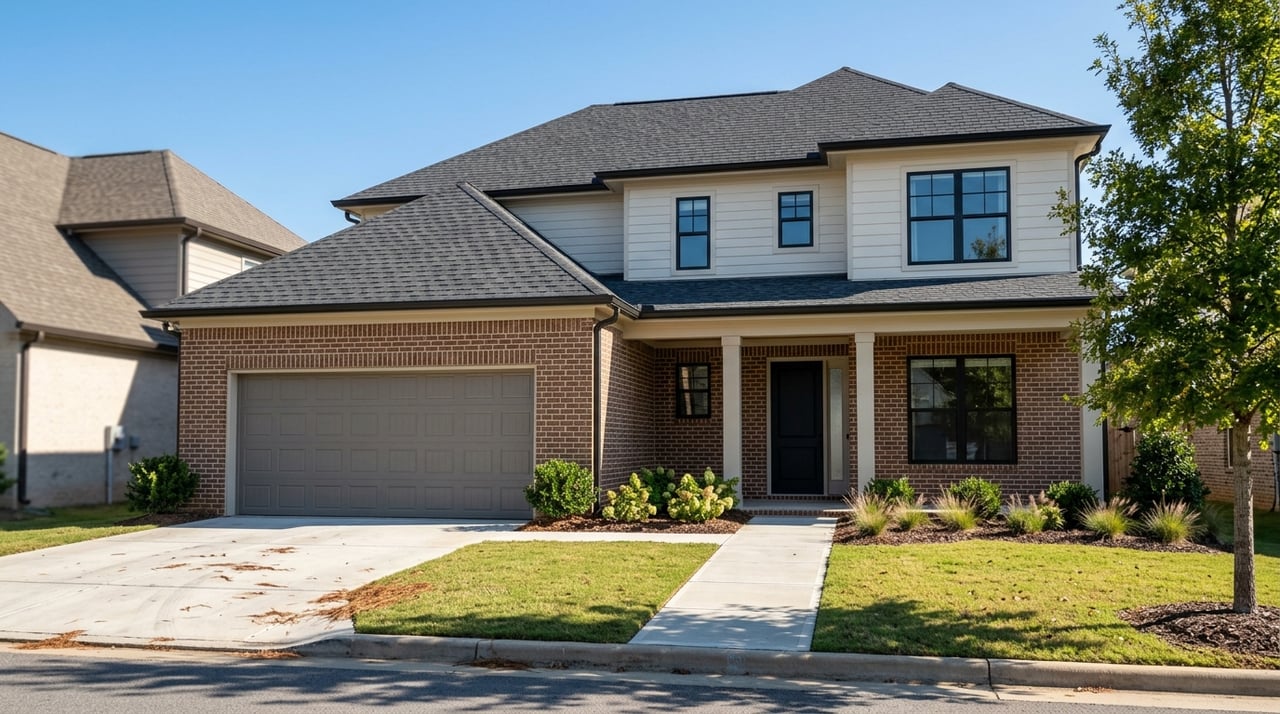
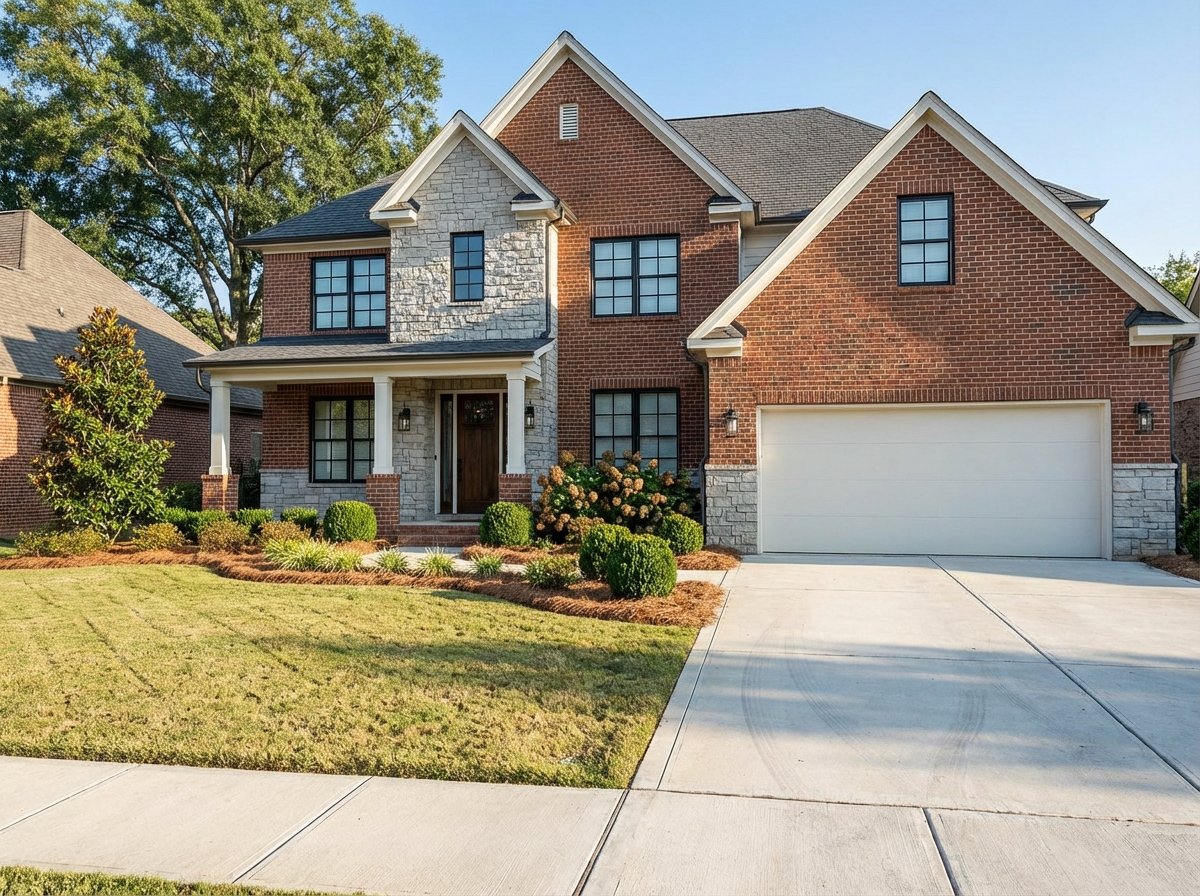
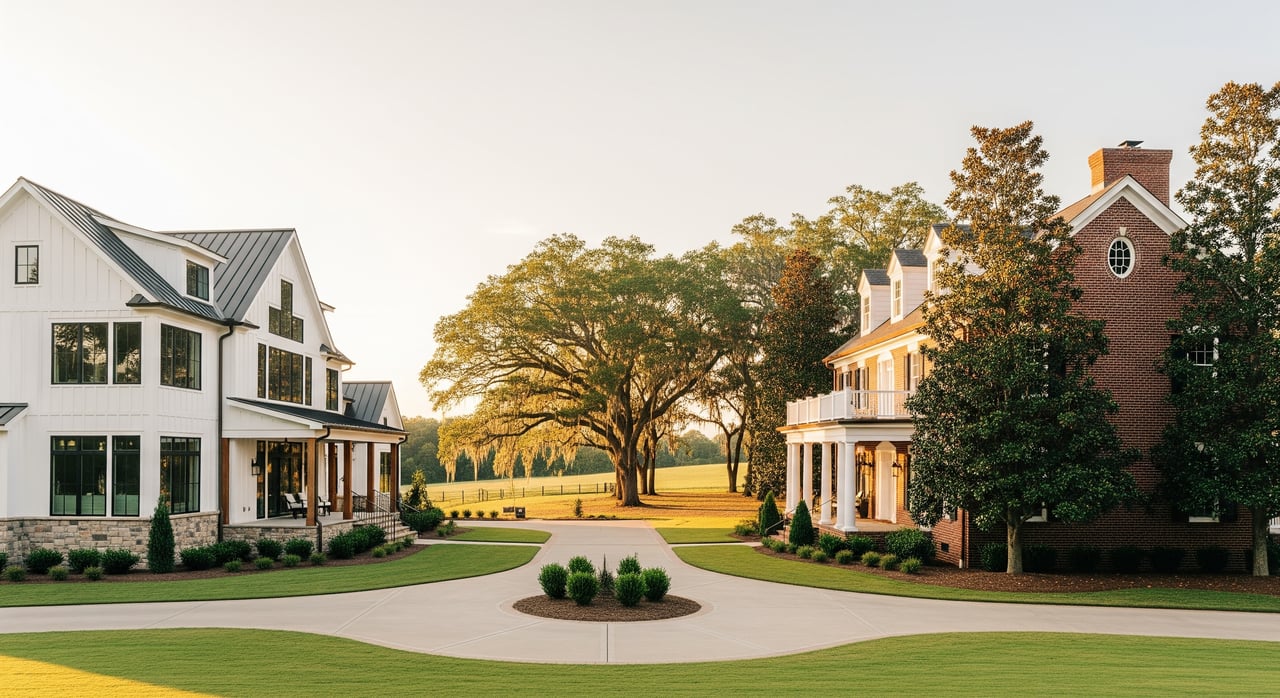
What new construction offers in Belmont
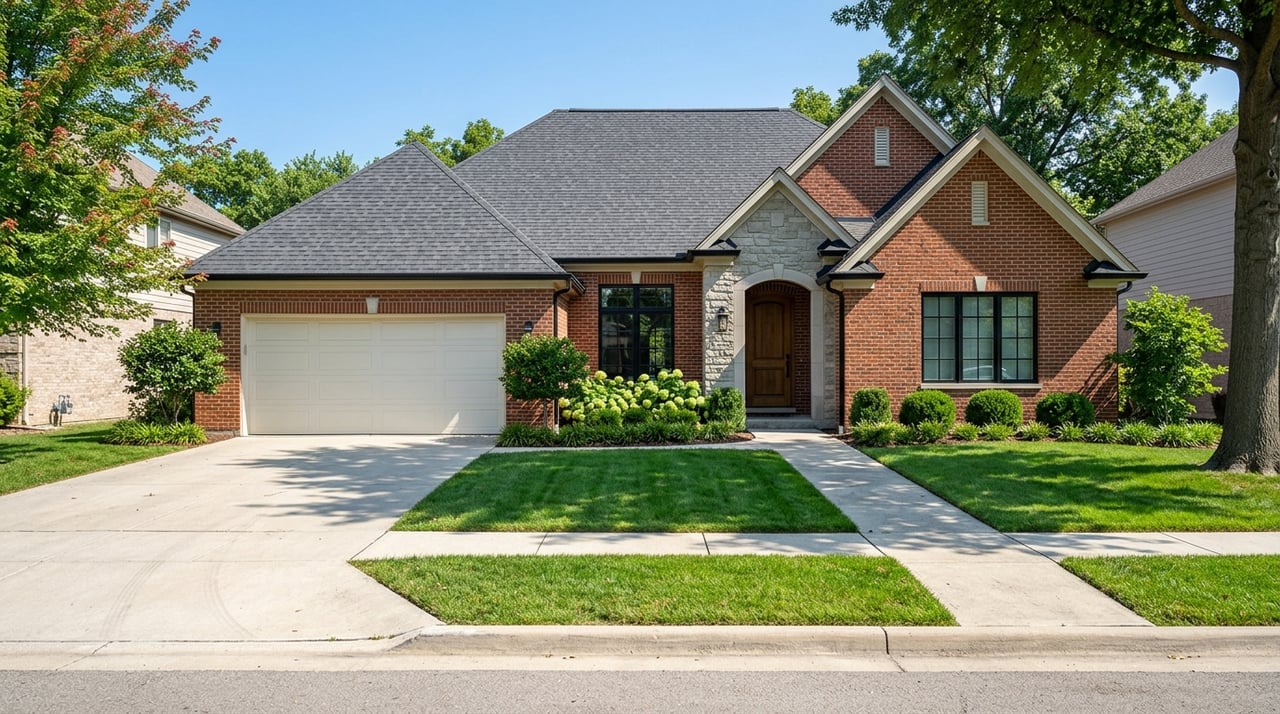
If you want predictability, newer homes often have a strong appeal. Belmont has an active development pipeline, with pending and approved projects that include Silver Belmont Oaks, Lakeview Farms, Crescent Development, Nixon Road Subdivision, South Fork Community-Del Webb, and South Point Community.
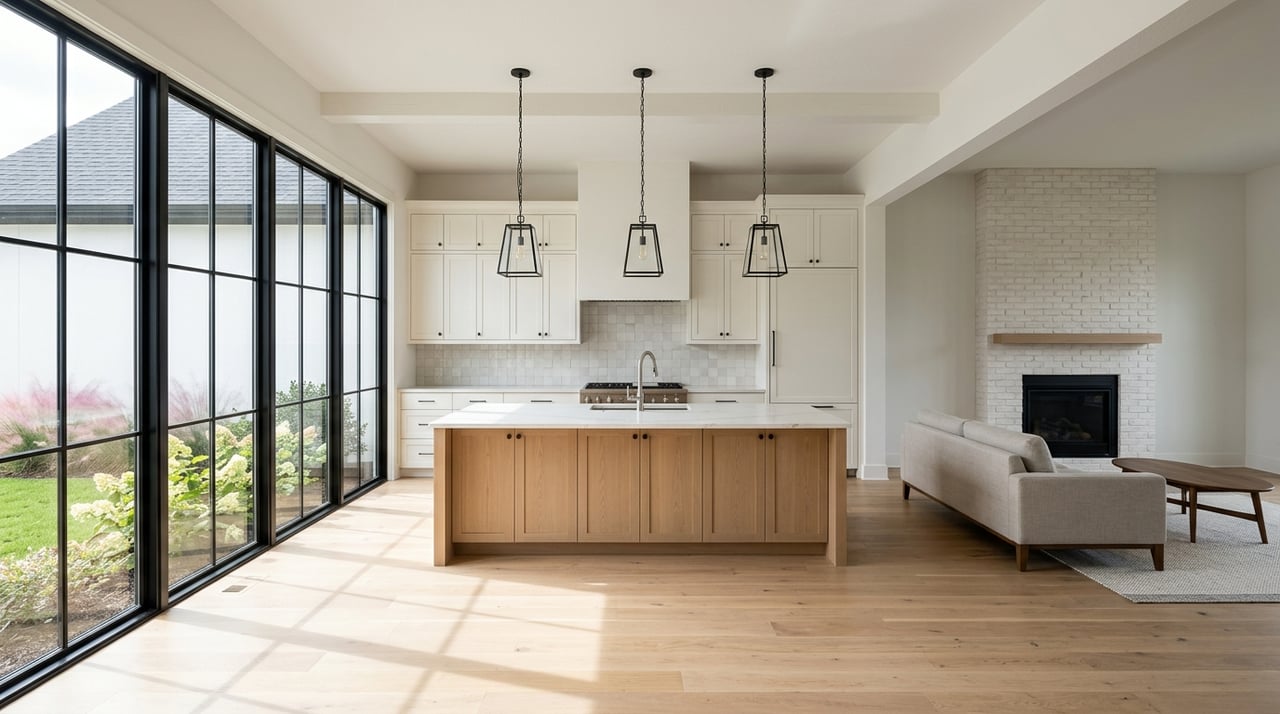
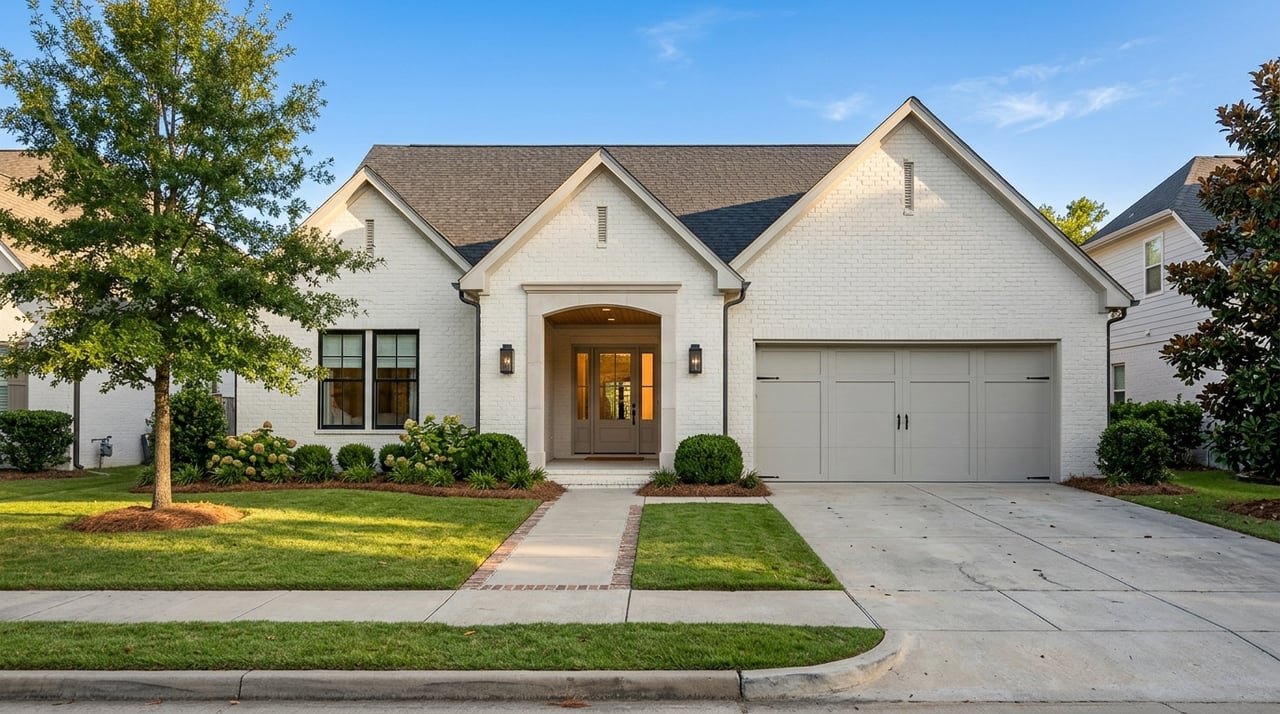
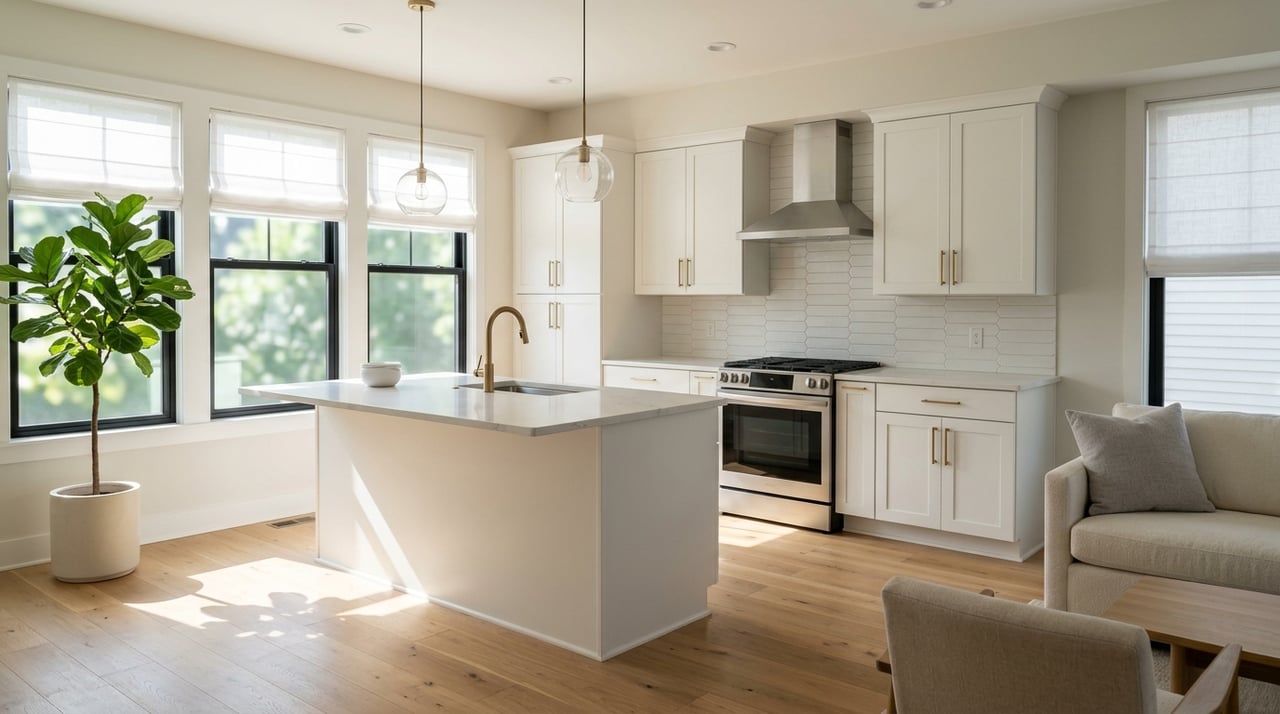
Because these communities are shaped by current planning review, zoning rules, and the city’s Land Development Code, newer homes are often built within more standardized subdivision patterns. That can make the buying process feel more straightforward, especially if you like modern layouts and a more consistent neighborhood setup.
Lower near-term maintenance risk
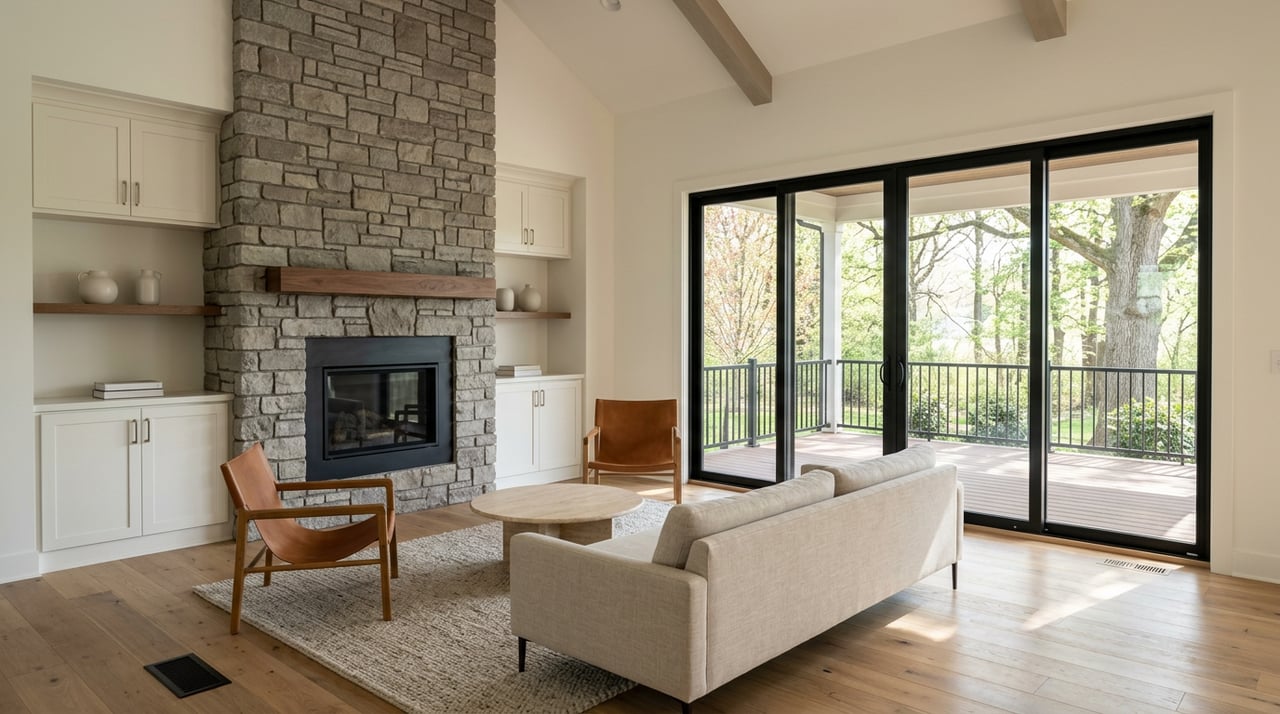
One of the biggest advantages of new construction is that your major systems are also new. That does not mean a brand-new house is perfect, but it often reduces the chance that you will face an immediate roof, HVAC, plumbing, or electrical replacement in the first few years.
For many buyers, that peace of mind matters as much as the finishes. If you are stretching to buy in Belmont, fewer surprise repairs can make monthly ownership feel more manageable.
Better energy performance potential
Newer homes may also offer better energy performance from the start. The U.S. Department of Energy notes that adding insulation during construction is more cost-effective than retrofitting it later, and efficient new homes can be third-party verified for energy savings, comfort, health, and durability.
In practical terms, that can mean a home that feels easier to heat and cool. If utility efficiency is high on your list, this is one of the strongest reasons to compare new construction seriously.
Important disclosure and HOA considerations
In North Carolina, the first sale of a dwelling that has never been inhabited is exempt from the standard residential property disclosure statement. That means you may not receive the same seller disclosure form that you would typically see with an older resale home.
State law also requires planned community disclosure to identify whether the property is subject to an owners’ association and mandatory covenants, including dues, special assessments, and transfer fees. If you are buying new construction in Belmont, reviewing the builder contract and HOA documents is a key part of due diligence.
What historic and older homes offer in Belmont
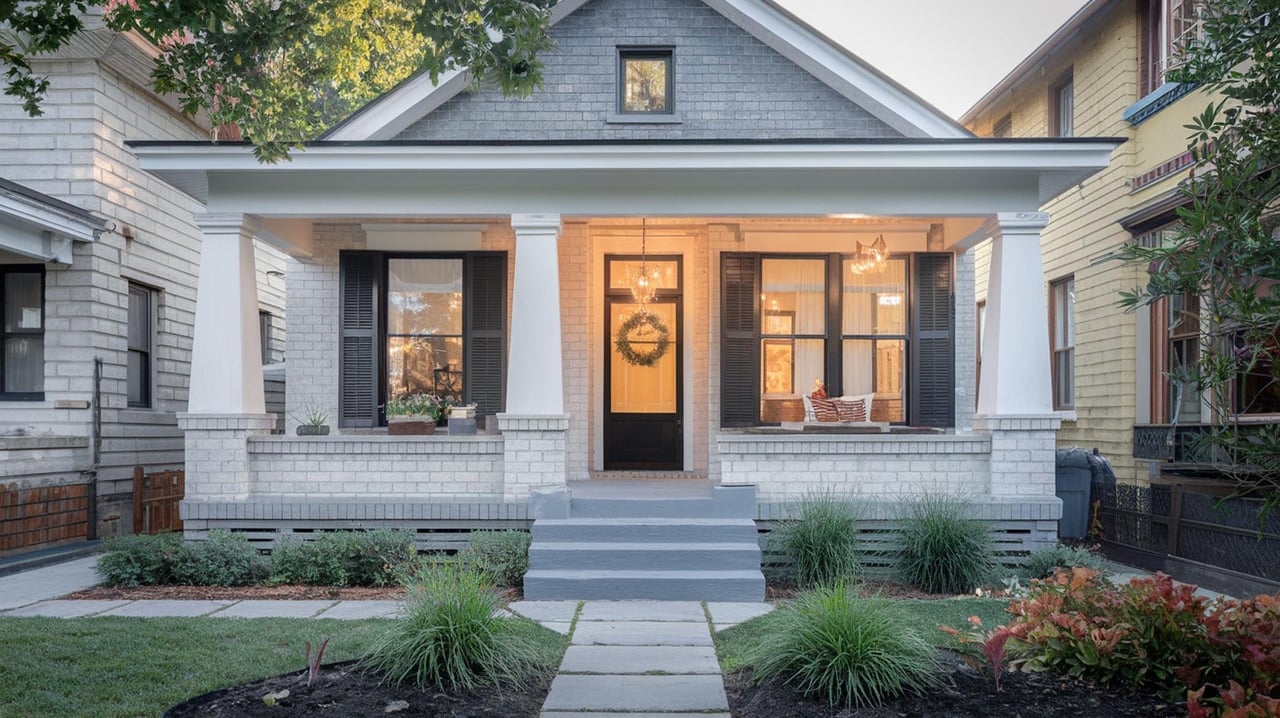
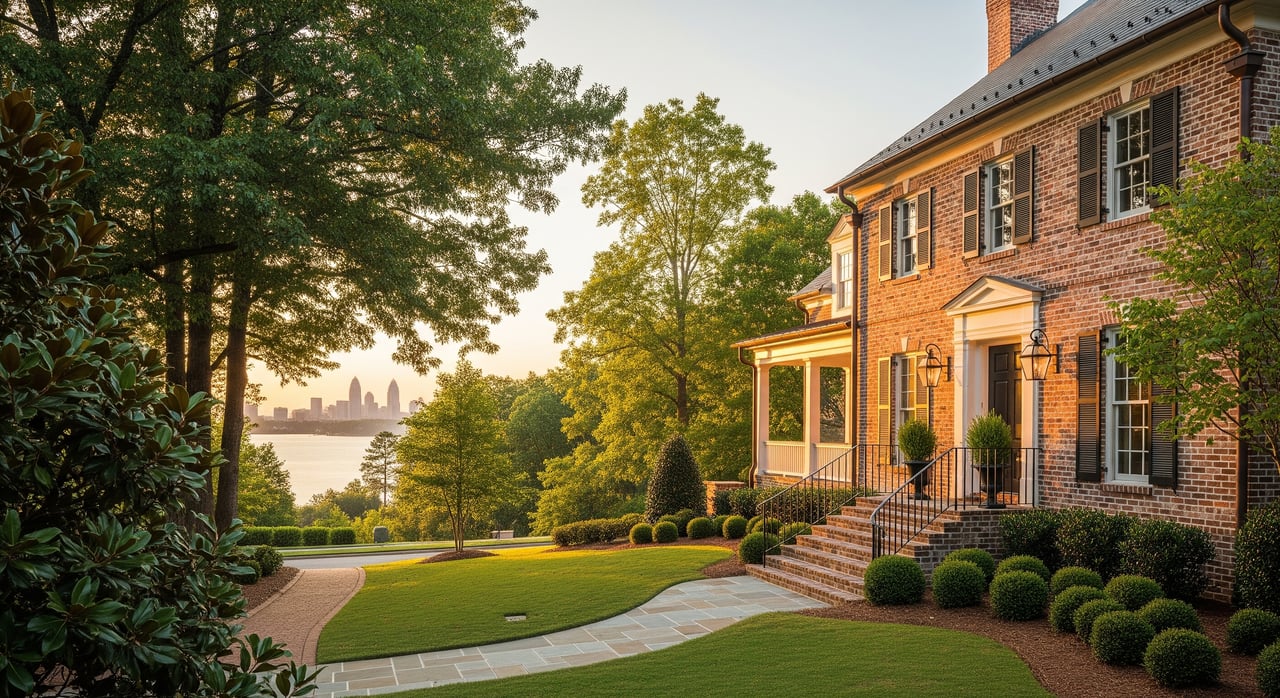
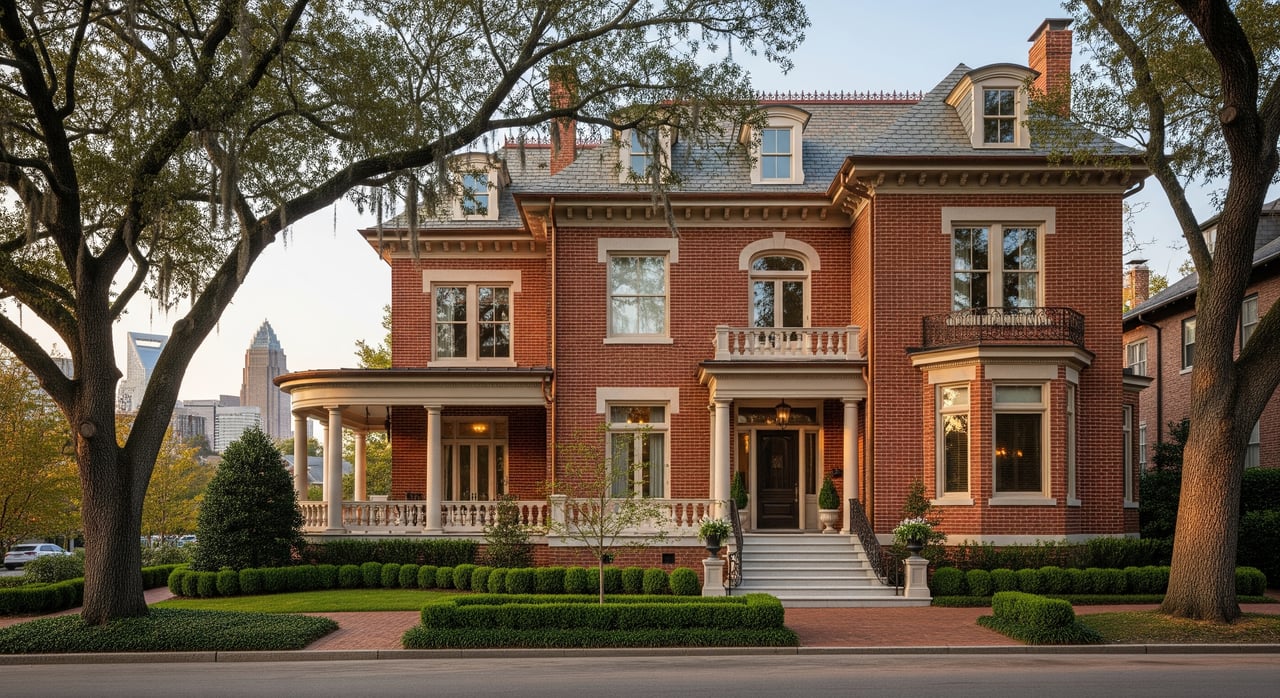
If charm, established streets, and a stronger sense of place matter most to you, Belmont’s older homes can be very appealing. The city’s history is still visible in many neighborhoods, especially where railroad growth, the Abbey, and the mill era helped shape the local built environment.
The Belmont Historic District was listed on the National Register of Historic Places in 1996 and includes 264 contributing buildings. That gives buyers a real inventory of older homes tied to the city’s architectural story.
Character and established setting
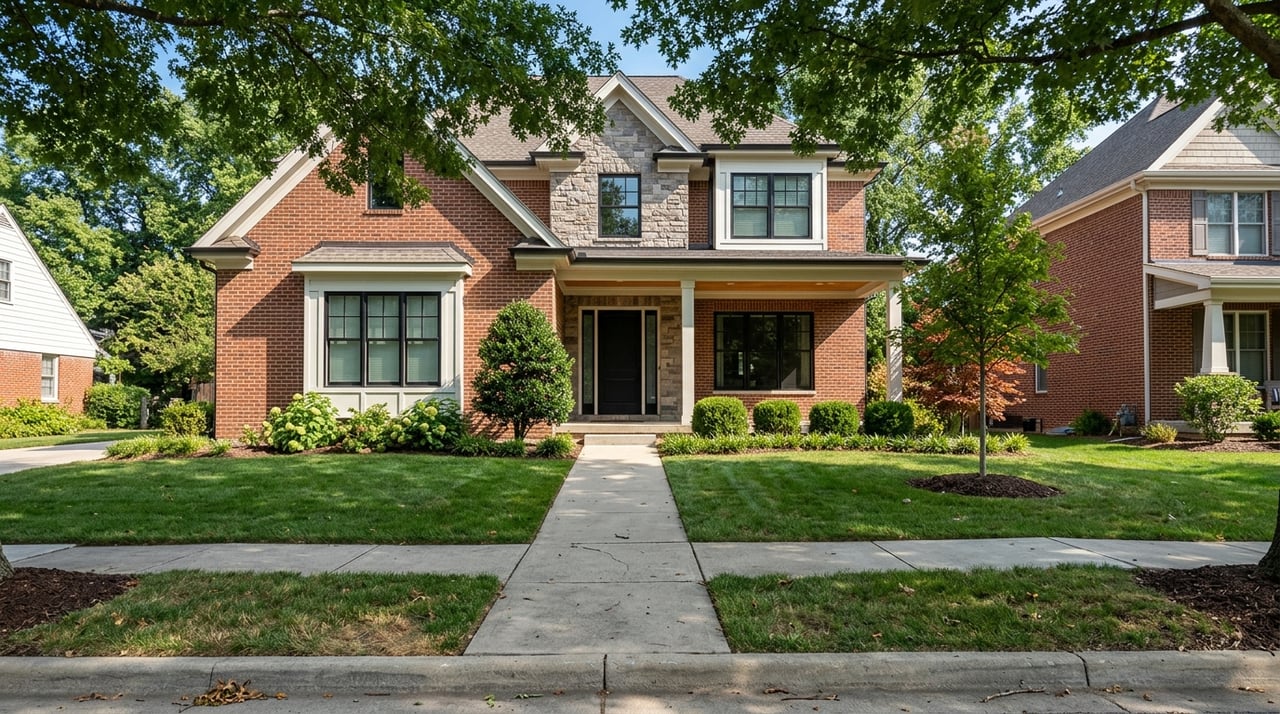
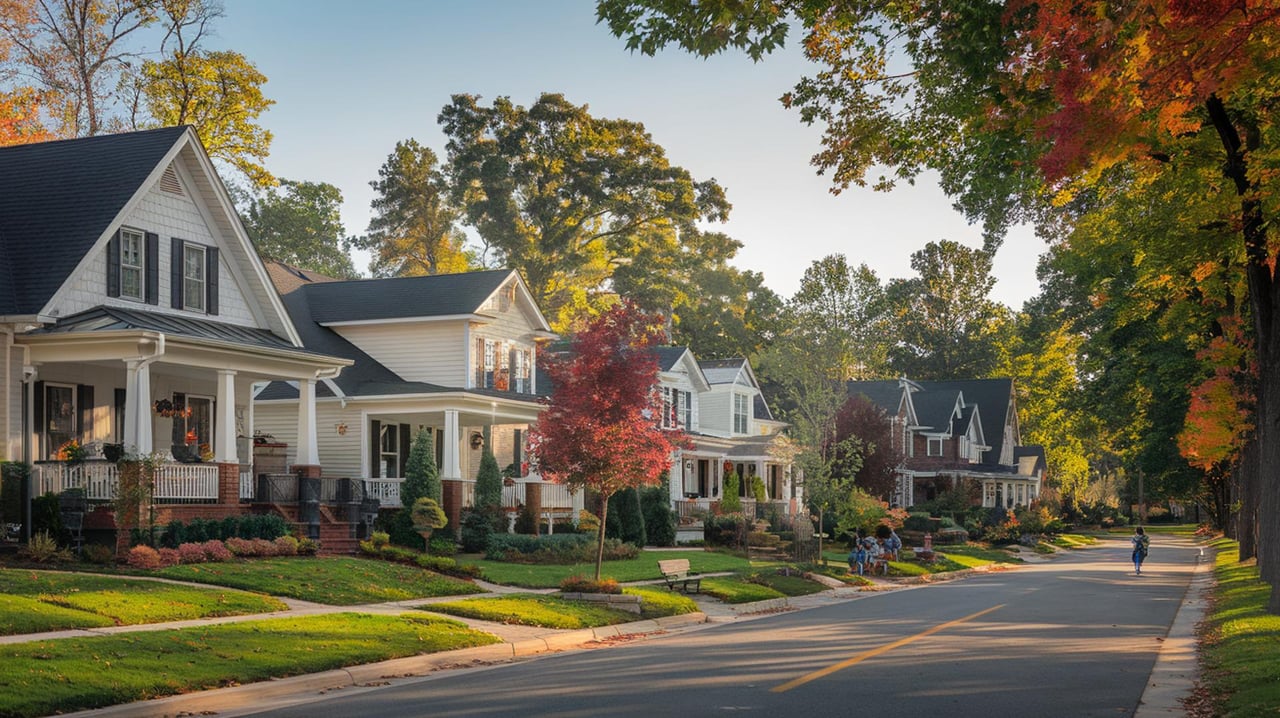
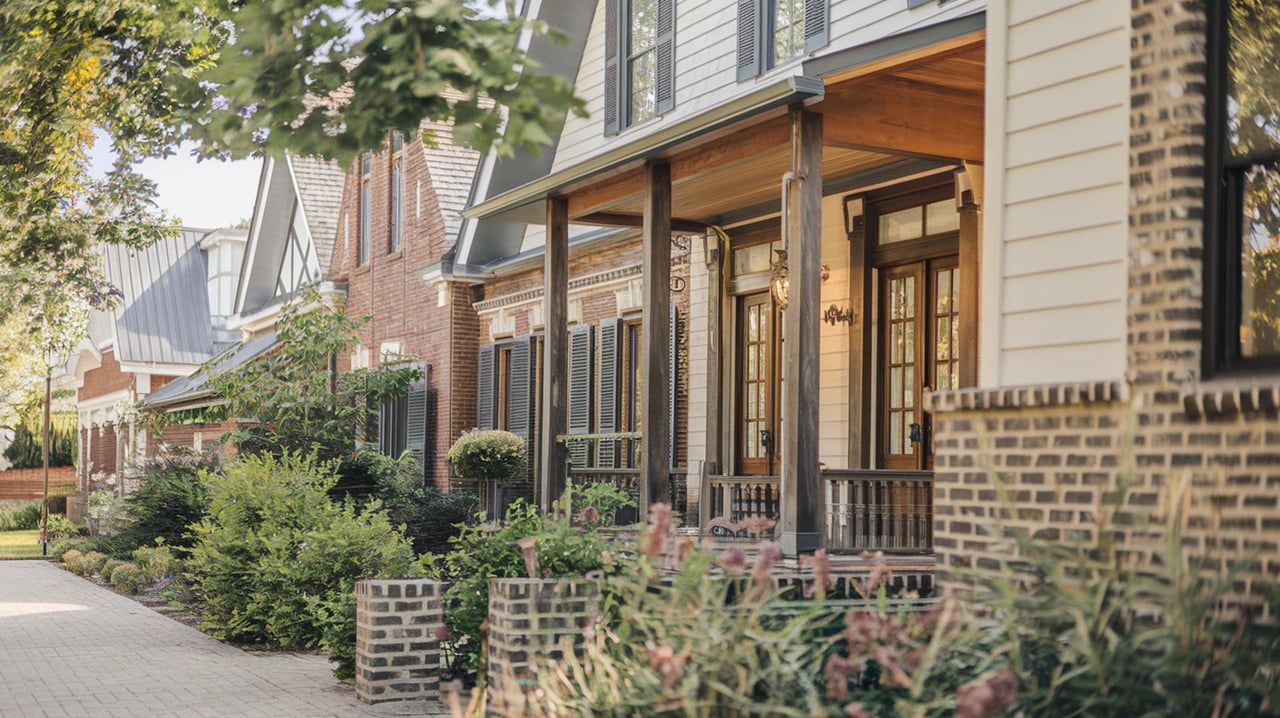
Historic and older homes often stand out because they do not feel interchangeable. You may find mature trees, established lot patterns, distinctive exterior details, and streetscapes that reflect Belmont’s earlier growth periods.
For some buyers, that setting is the entire point. If you want a home with personality and a neighborhood that feels rooted rather than newly created, older housing stock may be the better fit.
Historic status does not always mean strict limits
A common misunderstanding is that a home in a National Register area automatically comes with the same rules as a locally designated historic district. North Carolina’s Historic Preservation Office says that National Register listing by itself places no obligation or restriction on a private owner using private resources.
That is an important distinction. If you are considering a historic home in Belmont, you should confirm the property’s actual designation rather than assuming what you can or cannot change.
Possible rehabilitation tax credit
Older homes can also offer financial upside if you plan to restore them carefully. North Carolina’s Historic Preservation Office says that owner-occupied residential properties in National Register-listed buildings, or contributing buildings within a National Register historic district, may qualify for a 15% state rehabilitation tax credit.
There are conditions. The project must exceed $10,000, meet the Secretary of the Interior’s Standards for Rehabilitation, and go through the required review process. Still, for the right buyer, that credit can help offset part of a thoughtful renovation.
The tradeoffs older homes bring
Character is valuable, but older homes usually ask more from you as an owner. North Carolina’s residential disclosure statement specifically calls out key risk areas such as the roof, chimneys, floors, foundation, basement, plumbing, electrical, heating, cooling, wood-destroying insects, and environmental contamination.
That list is useful because it mirrors the areas most likely to create unexpected cost. If an older Belmont home has not been updated, you should expect more detailed inspection work and a more careful repair budget.
Renovation can take more time
If you plan to do a major rehab, timing matters. A renovation that aims to qualify for a historic tax credit may involve added paperwork, standards-based review, and a longer planning process.
That does not make the project a bad idea. It simply means you should go in with a realistic timeline and a clear picture of how much work you want to manage after closing.
Resale in Belmont: location usually wins
When buyers compare new and historic homes, they often ask which one resells better. In Belmont, the better answer is usually not about age alone.
With median sales prices just above $500,000, moderate inventory, and homes selling near asking price on average, resale tends to be driven more by location, condition, lot characteristics, and how well the home matches demand on its specific street or in its immediate area.
A well-kept historic home in a compelling setting can attract strong interest. A newer home with efficient systems, desirable community structure, and a practical layout can do the same. The stronger resale candidate is often the home that best fits the likely buyer pool when you are ready to sell.
Future planning could shape demand
Belmont’s longer-term planning also matters. The city says the proposed LYNX Silver Line includes an end-of-line station planned for Belmont, and the Belmont Trolley concept would run from downtown Belmont to Belmont Abbey College.
These projects are still proposed or conceptual, so they should not be treated as guaranteed value drivers. Still, they help explain why downtown-adjacent and transit-aware locations may stay part of the resale conversation over time.
How to choose the right fit for you
If you are deciding between Belmont new construction and a historic home, start with your lifestyle before you start with the finishes. The prettiest kitchen or cutest front porch will not matter much if the ownership experience does not match your priorities.
New construction is often the better fit if you want:
- Lower near-term maintenance risk
- More predictable systems and performance
- Potentially better insulation and energy efficiency
- Builder warranty protections
- A neighborhood shaped by current planning and subdivision standards
Historic or older homes are often the better fit if you want:
- Distinctive architecture and character
- Established streetscapes and mature surroundings
- A stronger sense of Belmont’s history
- Potential rehabilitation tax credit opportunities
- A home you can improve over time with intention
Questions to ask before you buy
No matter which path you prefer, a few questions can help you avoid costly surprises.
For new construction, ask:
- Is the property subject to an HOA or mandatory covenants?
- What are the dues, special assessments, or transfer fees?
- What does the builder warranty cover?
- How does the builder contract handle timelines and completion items?
For historic or older homes, ask:
- Is the home in the Belmont Historic District or another older area?
- What are the ages of the roof, HVAC, plumbing, and electrical systems?
- Are there signs of foundation, moisture, chimney, or insect issues?
- If you want to renovate, could the home qualify for a rehabilitation tax credit?
For either type of home, ask yourself:
- How long do you expect to own the property?
- Do you want convenience now or a project with long-term upside?
- Will location, neighborhood feel, or possible future transit access matter at resale?
Final thoughts on buying in Belmont
In Belmont, new construction versus historic homes is not really a question of which is universally better. It is a question of which home type fits your budget, your risk tolerance, and the way you want to live.
If you want a lower-maintenance start and a more predictable ownership experience, new construction may be the smart move. If you care more about character, established surroundings, and the possibility of meaningful restoration, an older home may be the better choice.
The key is looking past surface appeal and evaluating the property in its full context. If you want help comparing specific homes in Belmont and making sense of the tradeoffs, reach out to David Wishon for broker-led guidance tailored to your move.
FAQs
What is the biggest benefit of new construction in Belmont for buyers?
- New construction in Belmont often offers more predictability, newer systems, lower near-term maintenance risk, and the possibility of better energy performance.
What is the biggest advantage of historic homes in Belmont for buyers?
- Historic homes in Belmont often offer more character, established streetscapes, and a stronger connection to the city’s architectural history.
Are Belmont historic homes automatically restricted because of National Register status?
- No. North Carolina’s Historic Preservation Office says National Register listing alone does not place obligations or restrictions on a private owner using private resources.
Can a Belmont historic home qualify for a tax credit?
- Some owner-occupied homes in National Register-listed buildings or contributing buildings within a National Register historic district may qualify for a 15% state rehabilitation tax credit if program requirements are met.
Do Belmont new construction homes always come with HOA rules?
- Not always, but North Carolina disclosure rules require planned community disclosure when a property is subject to an owners’ association, mandatory covenants, dues, special assessments, or transfer fees.
What should buyers inspect closely in an older Belmont home?
- Buyers should pay close attention to the roof, chimneys, floors, foundation, basement, plumbing, electrical, heating, cooling, insect issues, and possible environmental concerns.