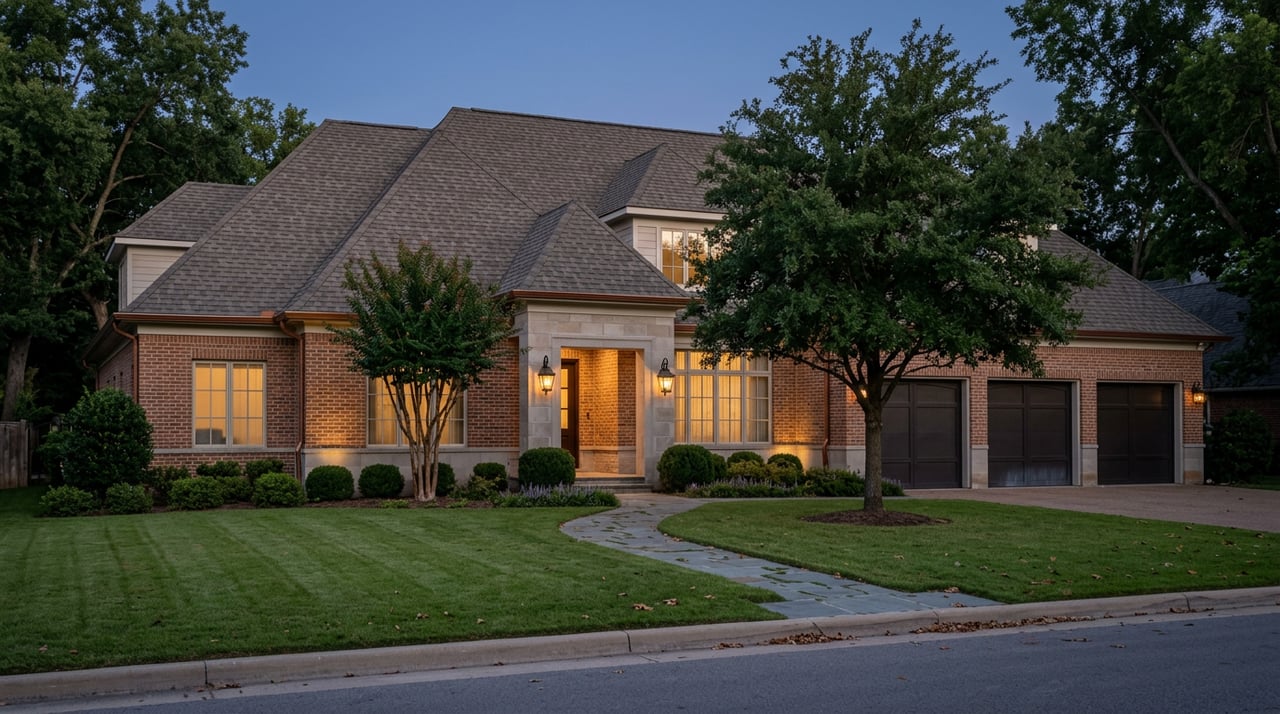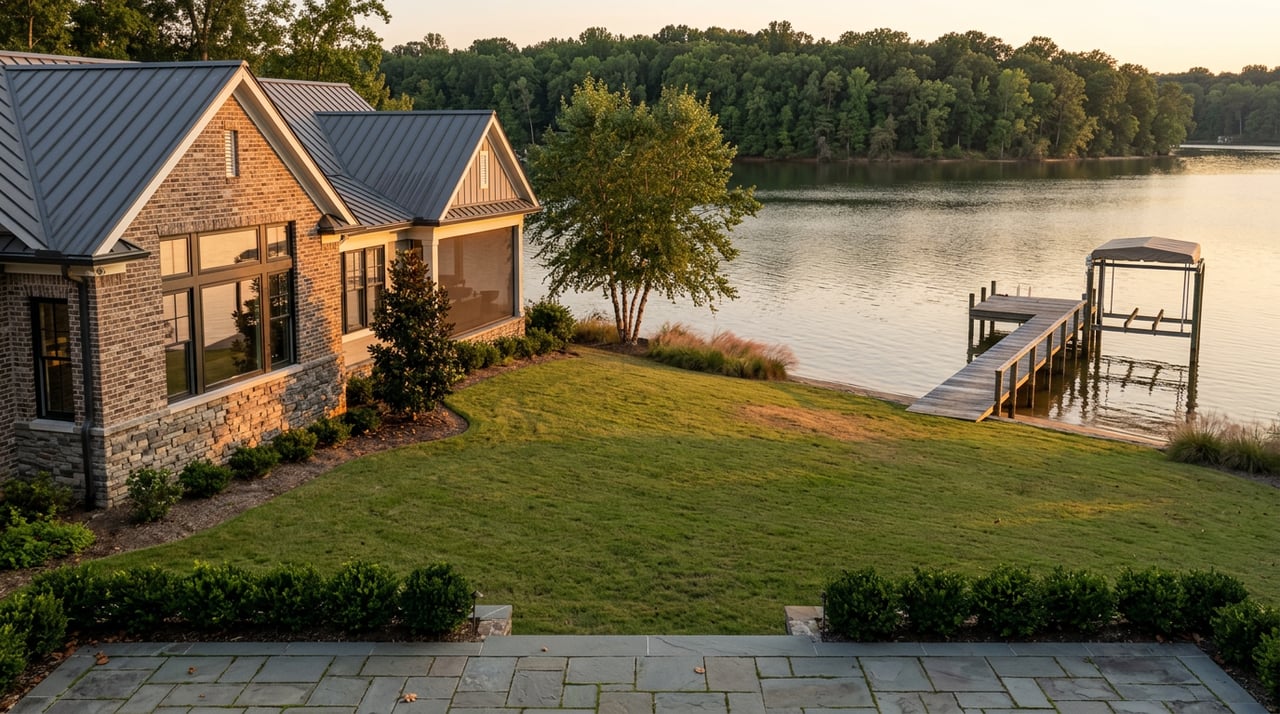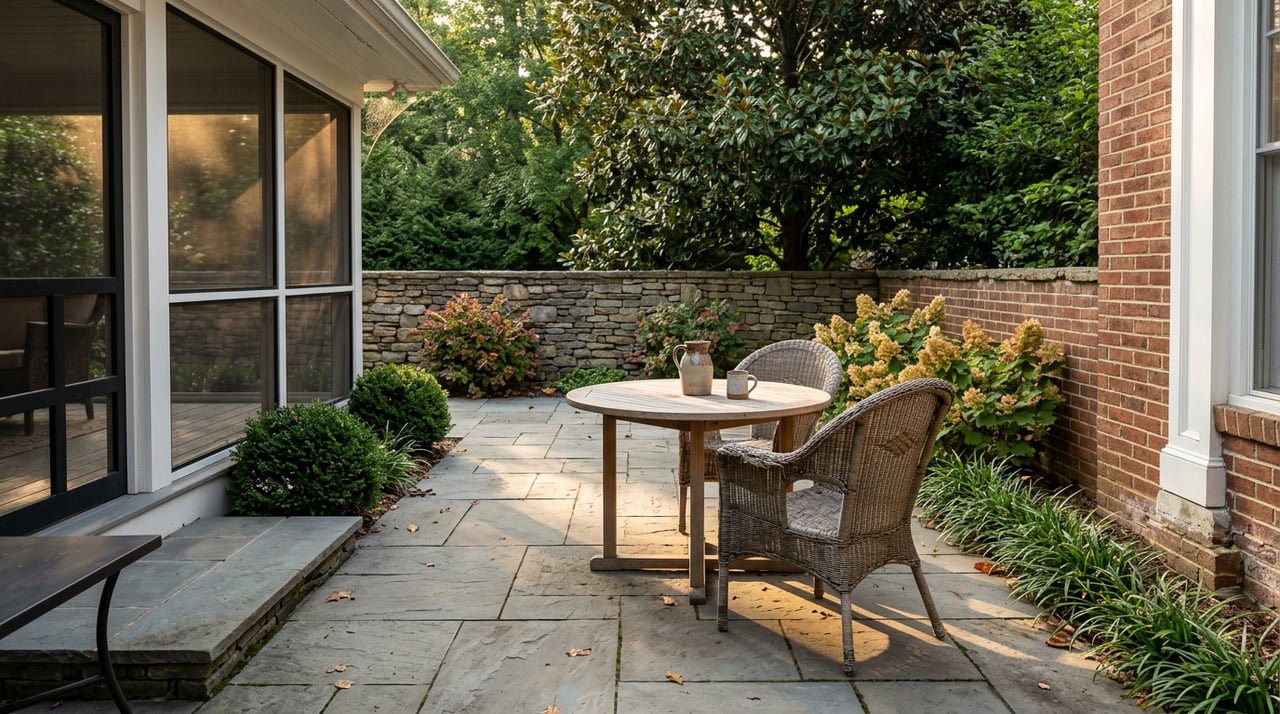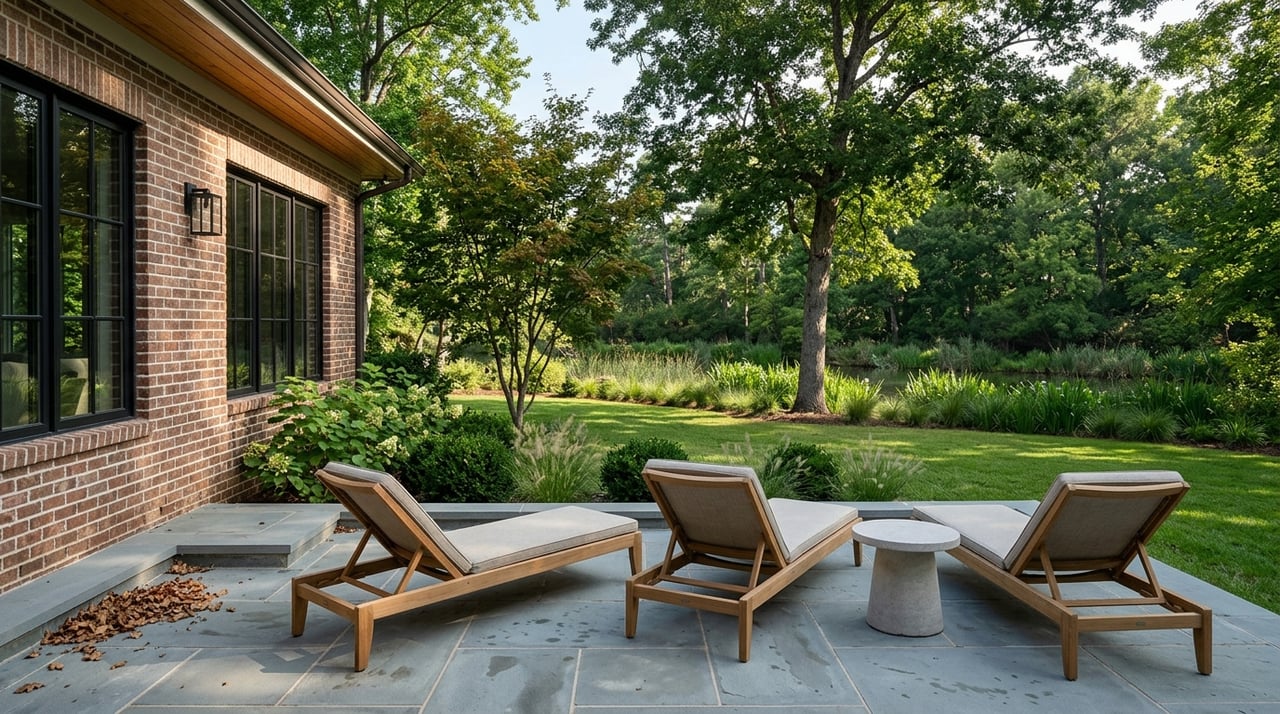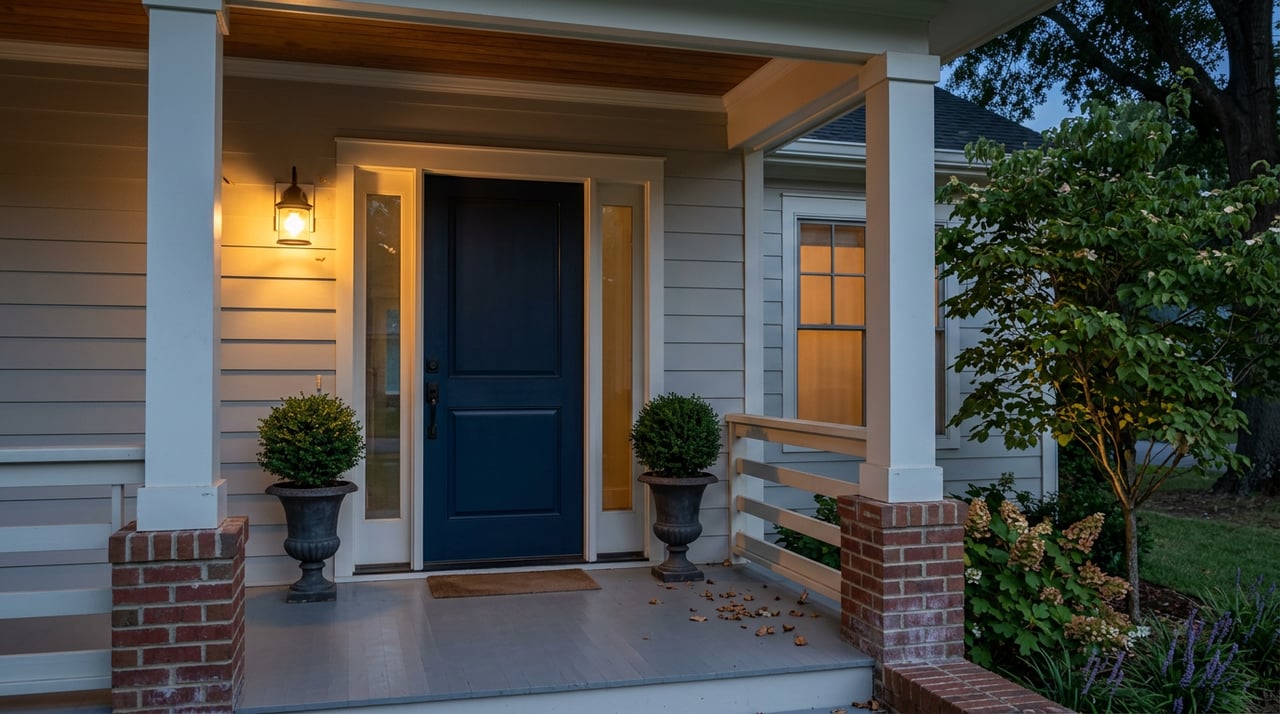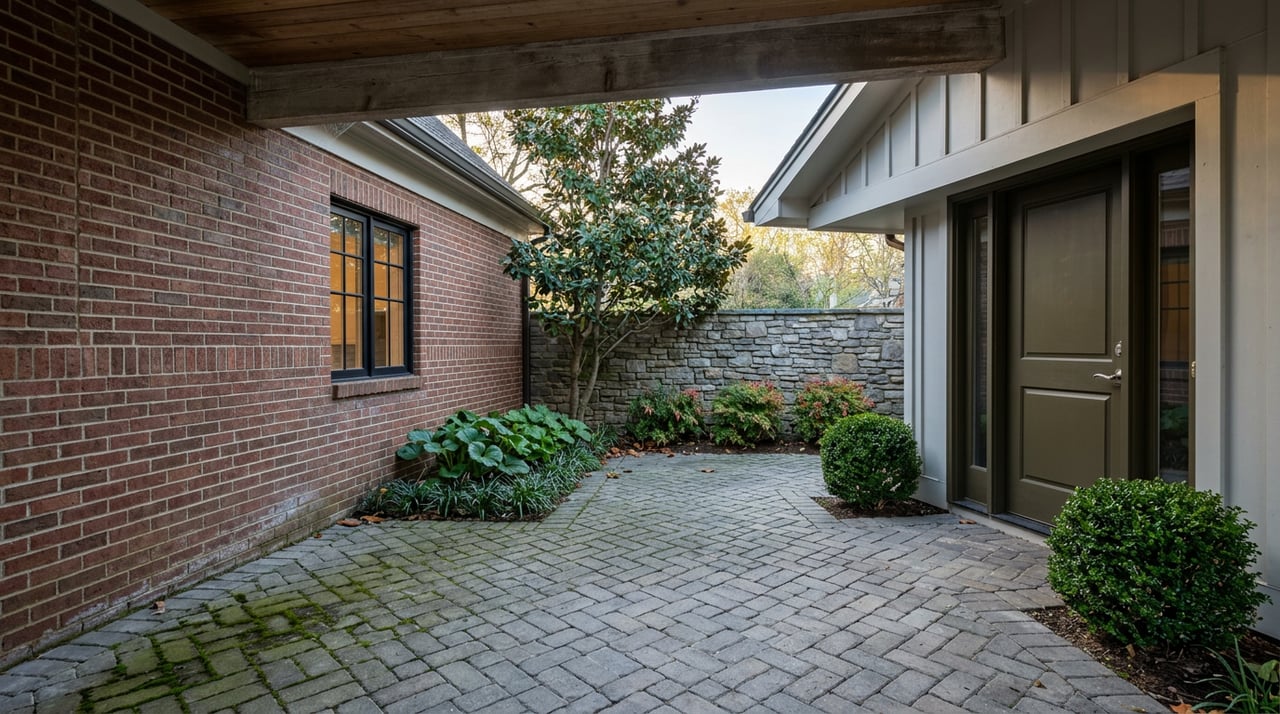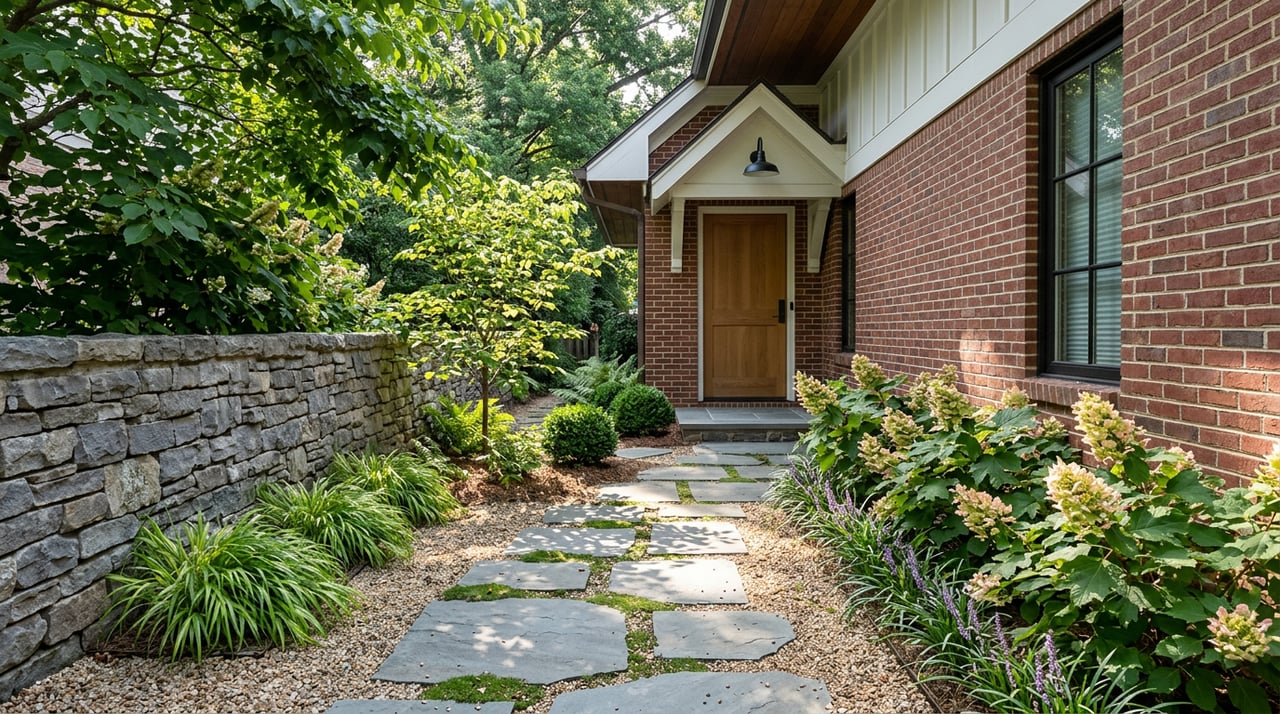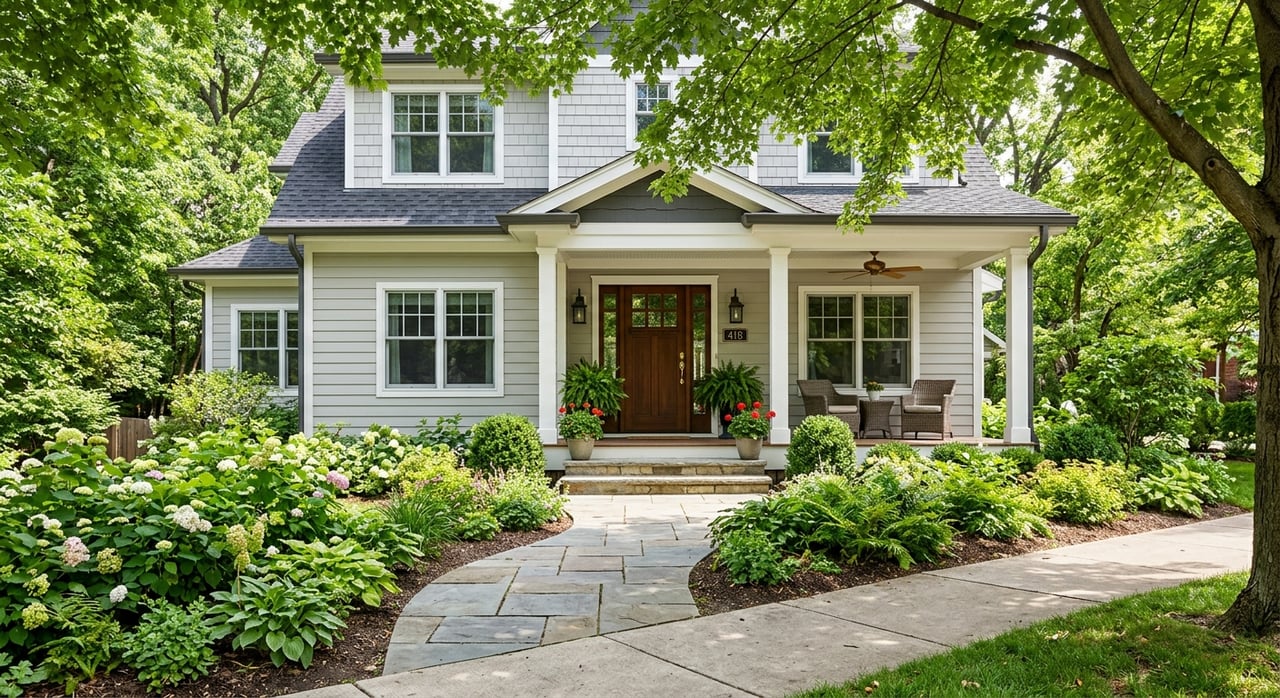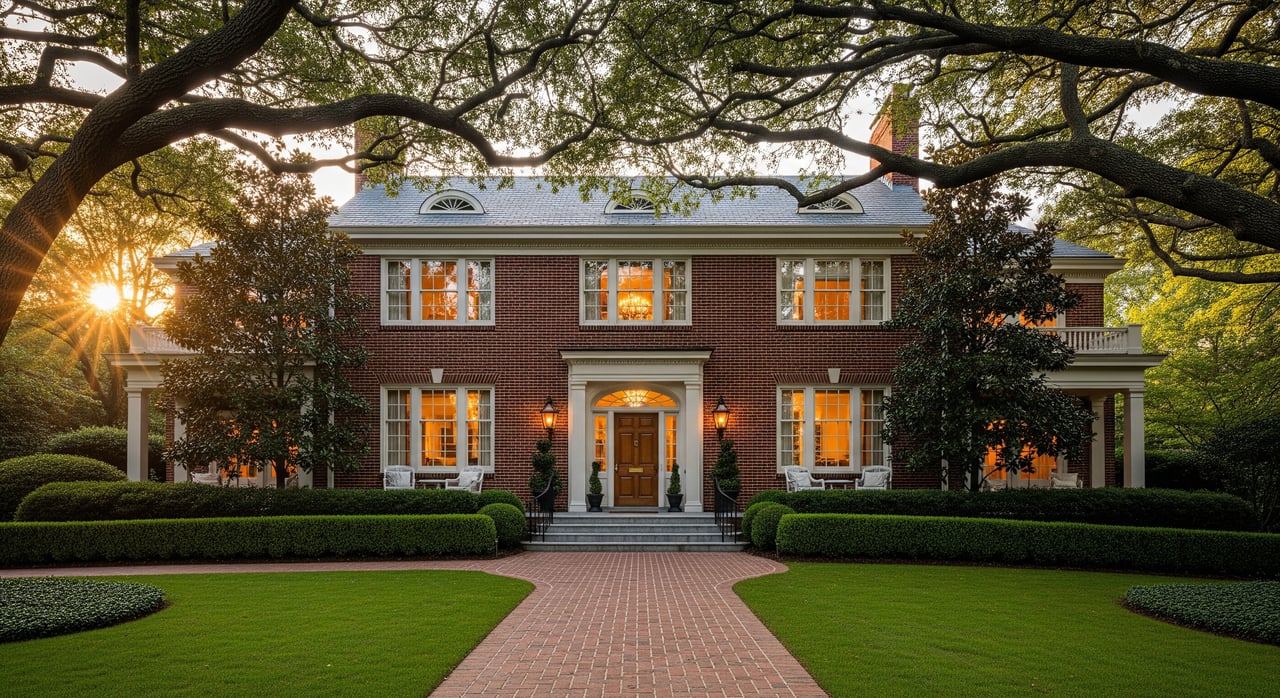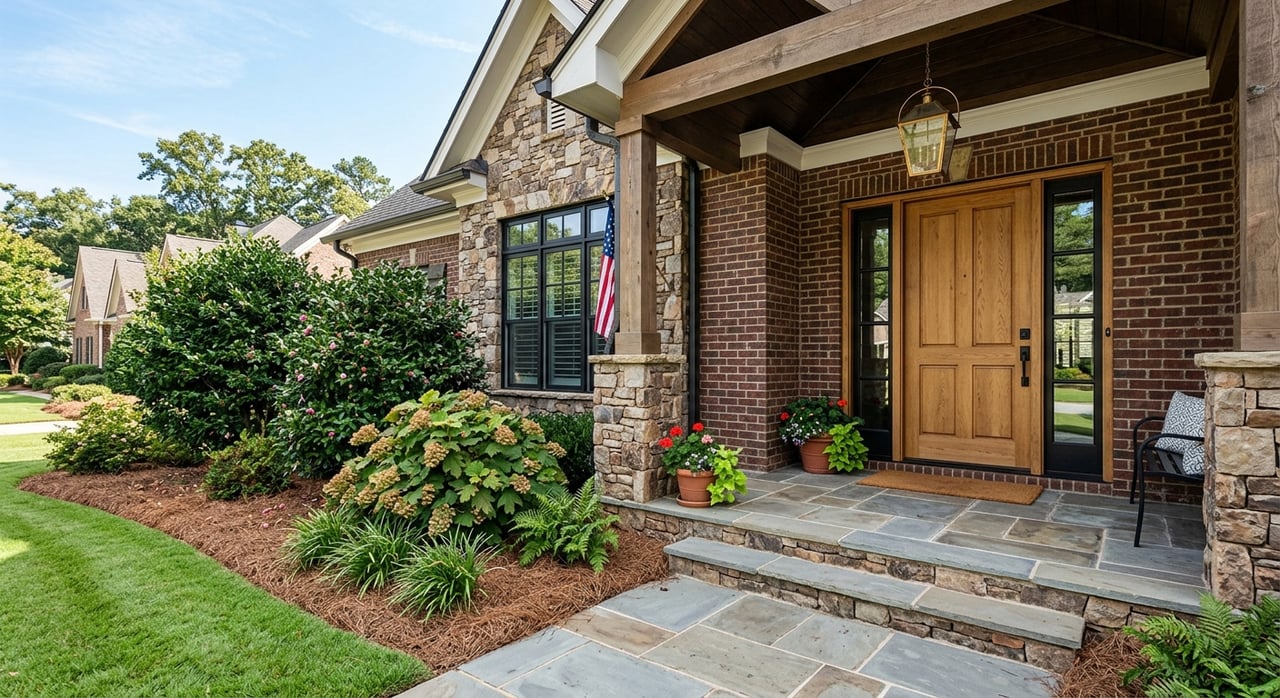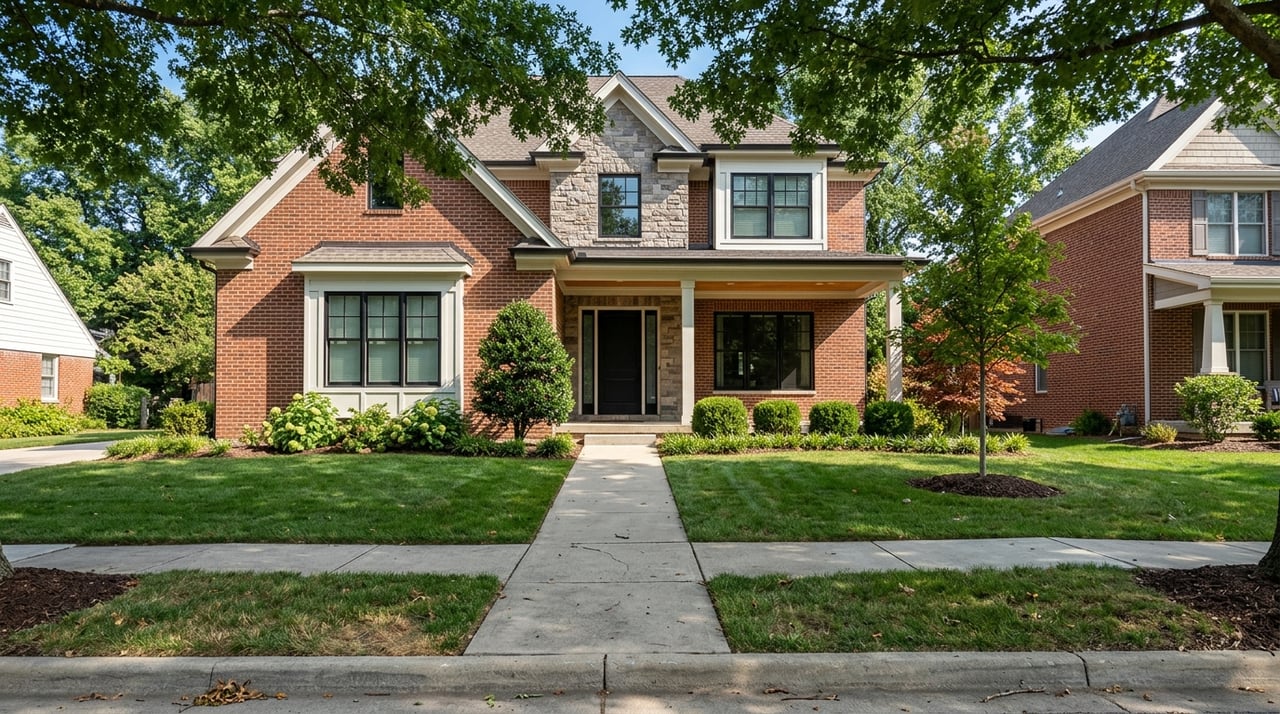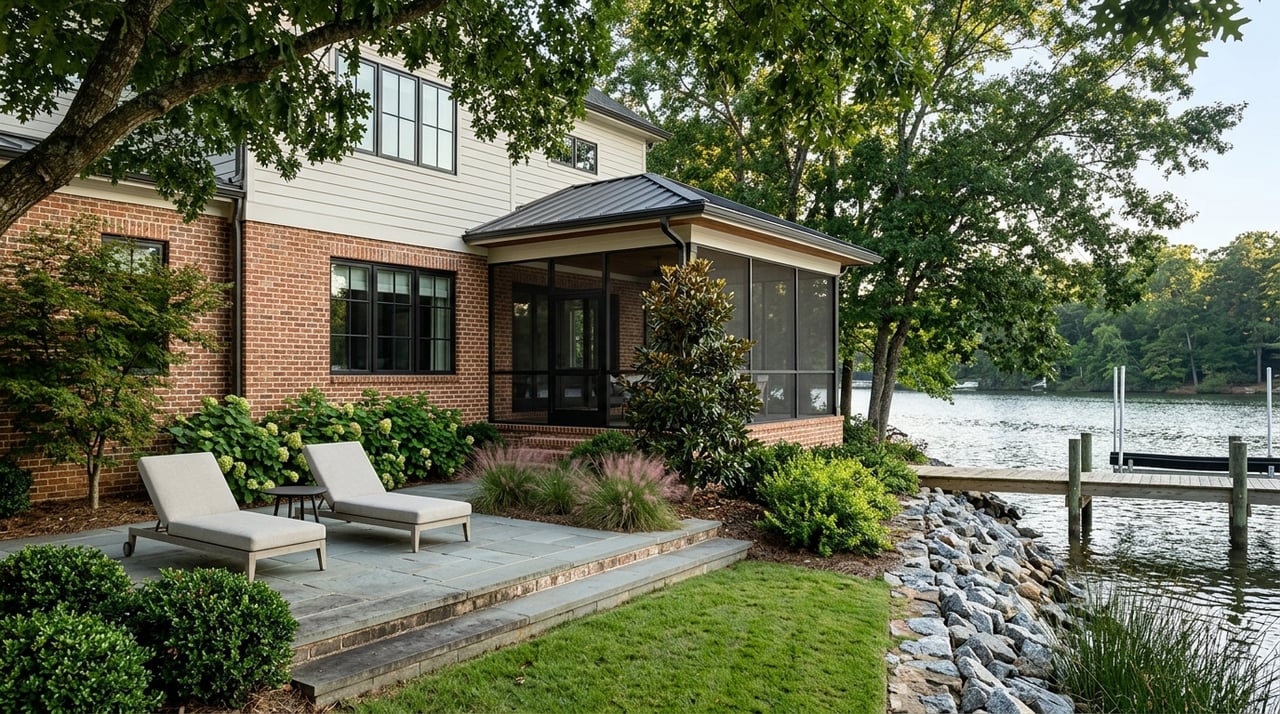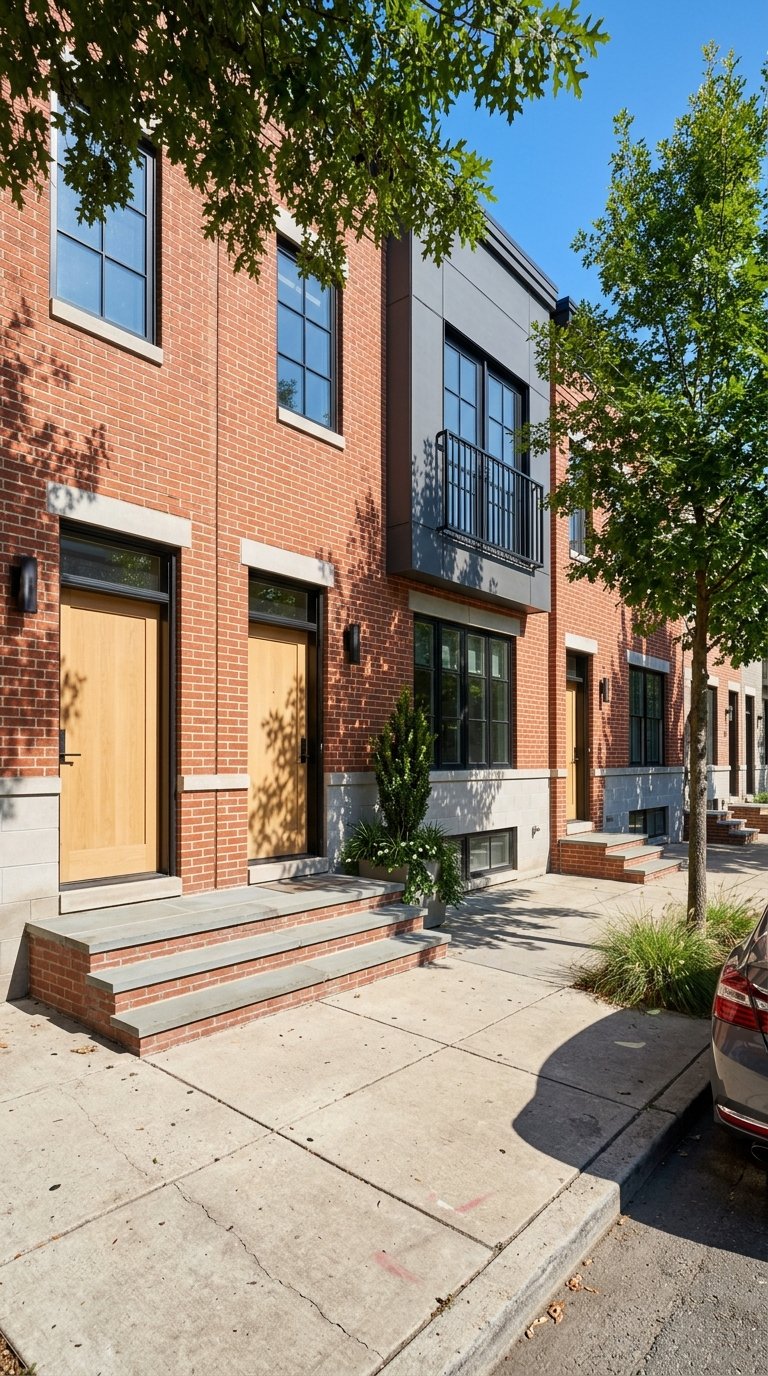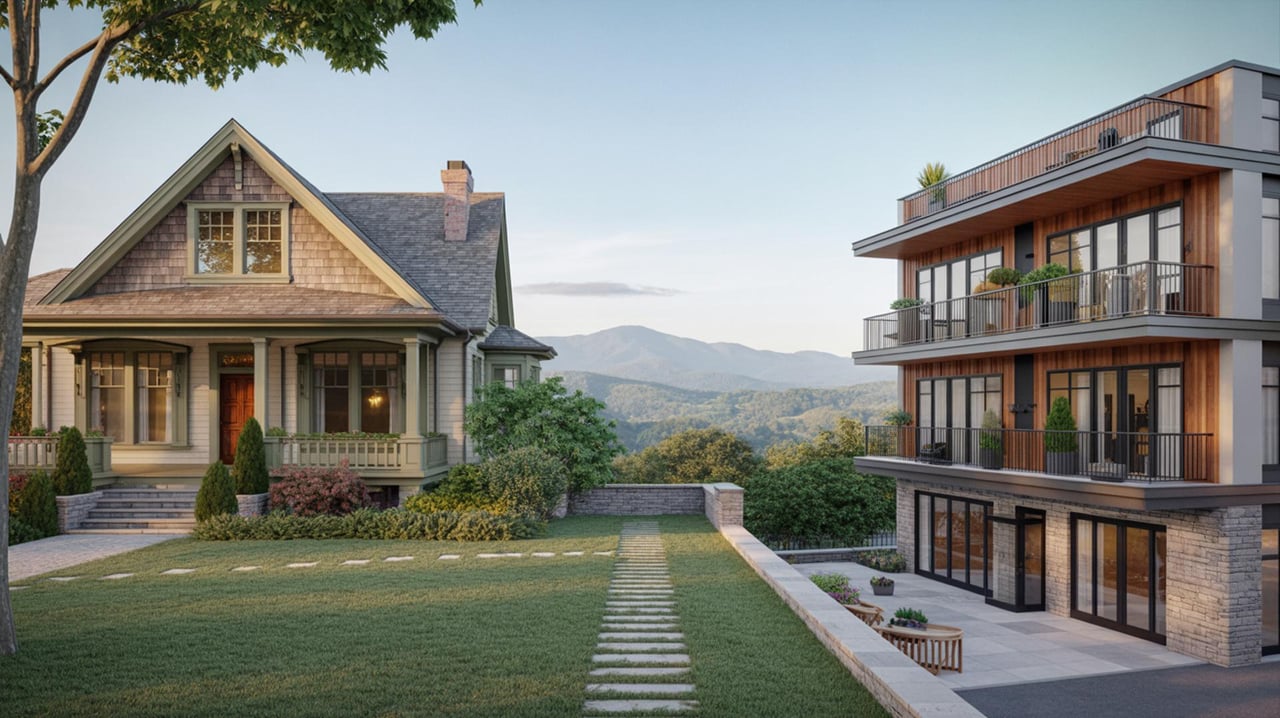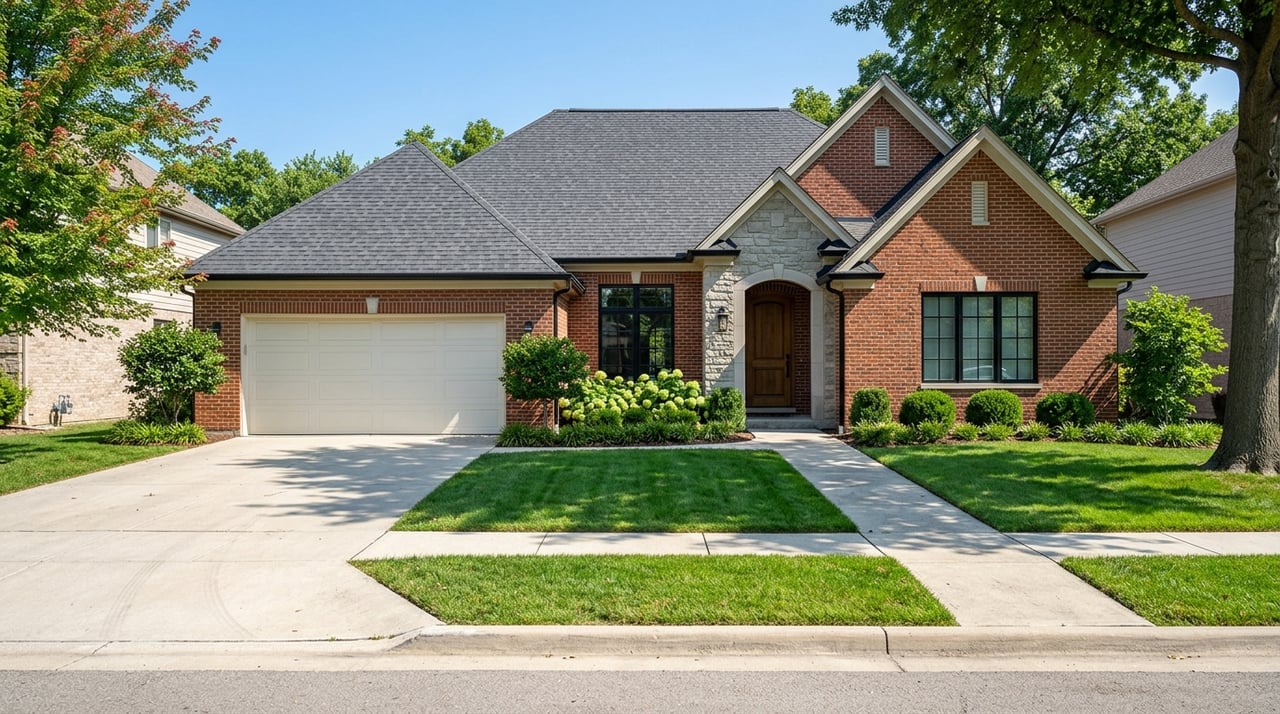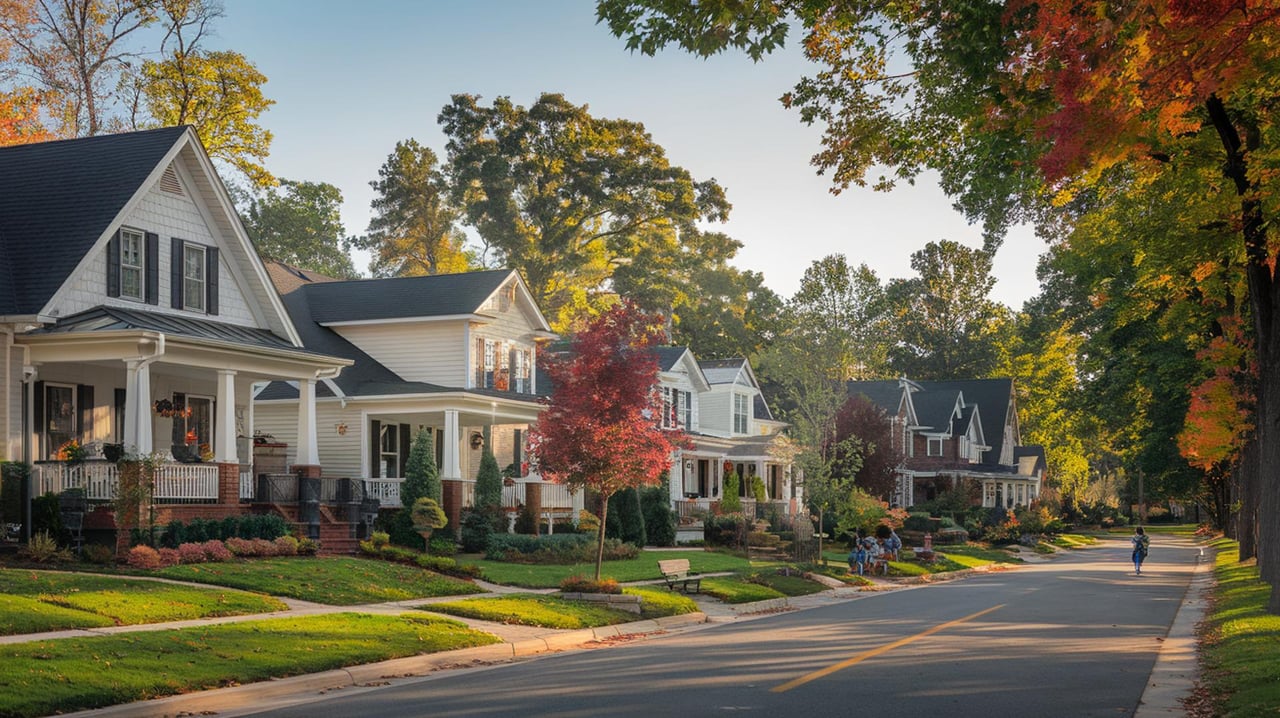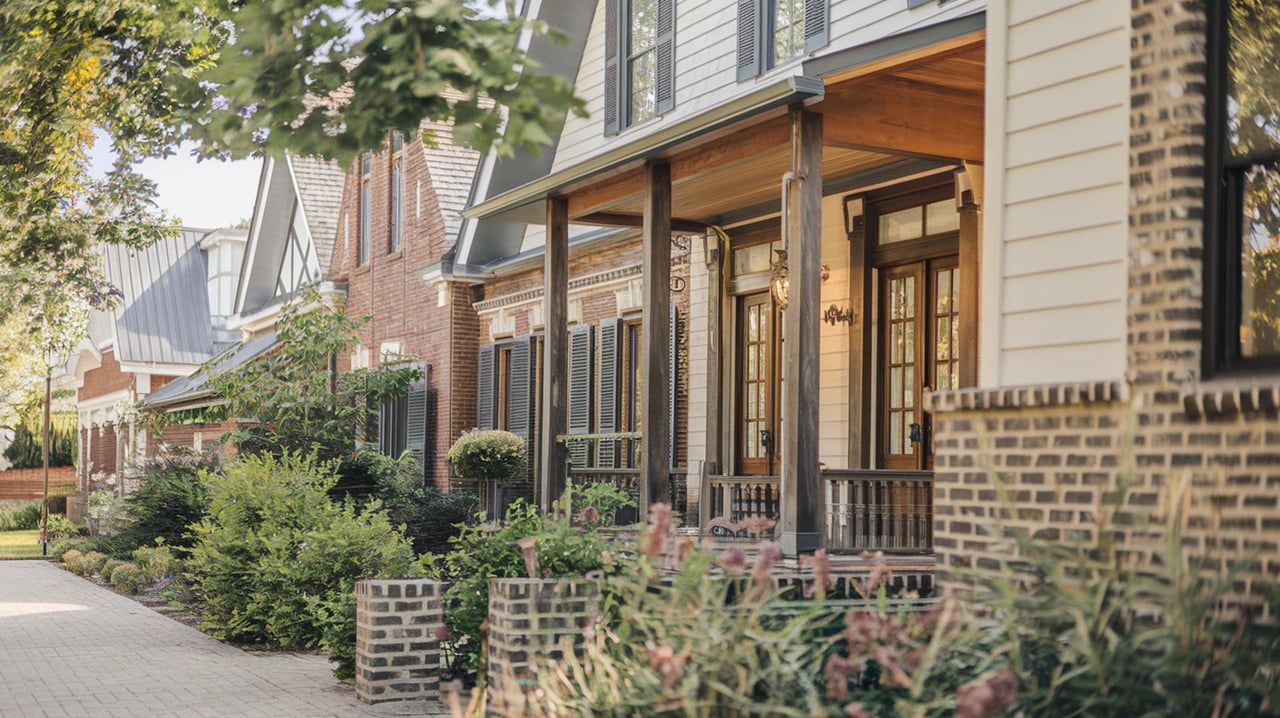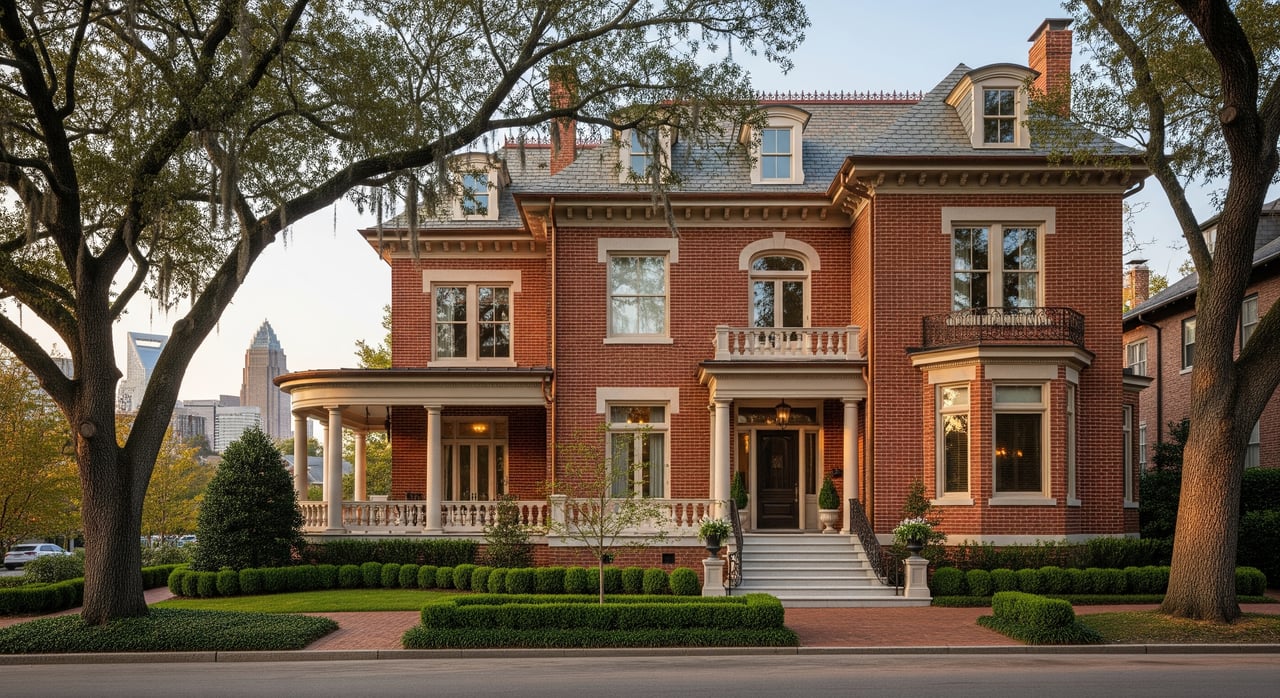
A buyer falls for a house near North Main Street. The porch is right, the oaks are right, the walk to downtown is right. Somewhere in the excitement, someone mentions the words "historic district," and the buyer nods the way people nod at things they assume they already understand: old house, some extra paperwork, probably fine.
That assumption is the expensive part. Davidson's Local Historic District is not a static label you can check once and file away. It runs on two separate clocks, and both of them just moved. The design rulebook that governs what you can do to your own exterior was rewritten in the summer of 2025. The boundary of the district itself has been sitting mid-expansion since 2019, with no public sign the process ever finished. A buyer who researched this neighborhood last year, or even six months ago, may be working from a version of both that no longer applies.
Two Different Kinds of "Historic"
The first confusion buyers walk into is thinking "historic" means one thing. In Davidson, it means two, and only one of them changes what you're allowed to do to your house.
Being listed on the National Register of Historic Places is largely honorific. It can open the door to certain tax incentives, but it doesn't, on its own, restrict how you renovate. Davidson's Local Historic District is a different animal entirely. It's a zoning overlay, adopted by the Davidson Board of Commissioners, and it comes with teeth: most exterior changes to a property inside the overlay require a Certificate of Appropriateness, a COA, before work starts. That's true whether or not the same property also happens to carry a National Register listing.
The town's own historic preservation page draws this line directly. The district was established back in 1989, alongside the town's original Historic Preservation Commission, specifically to give the town design review authority it didn't have before. If your house sits inside that mapped overlay, the National Register status is a footnote. The local overlay is the operative rule.
The Rulebook Was Rewritten in July 2025
Here's the part that catches even careful buyers off guard. The design standards that tell you what a COA reviewer will actually approve, roofline changes, window replacements, additions, fence materials, were drafted in 2009 and sat mostly untouched for sixteen years.
That changed after the Board of Commissioners adopted Davidson's first Historic Preservation Plan in January 2023, which called for an update. The town brought in Frazier Associates, a Virginia-based firm specializing in historic district standards, to rewrite the document. The commission reviewed drafts through 2024 and into 2025, considered adoption at its June 2025 meeting, and formally adopted the new 2025 Davidson Historic District Design Standards on July 16, 2025.
If you're pricing out a renovation project on a historic district house right now, that date matters more than it looks. Any blog post, contractor conversation, or secondhand advice referencing the "Davidson design standards" from before July 2025 is describing a document that no longer governs your project. The town has posted the updated standards under its Documents and Resources section, and it's worth reading before you draw up plans, not after.
The two-track review system underneath those standards hasn't changed, though it's worth laying out plainly:
- Minor Work covers smaller exterior changes and gets reviewed and approved administratively by town staff. No hearing required.
- Major Work covers new construction, additions, relocations, and anything staff determines conflicts with the design standards on first read. These applications go to the full Historic Preservation Commission.
The distinction isn't cosmetic. It's the difference between a paperwork errand and a public hearing with your neighbors in the room.
What a Major Work Hearing Actually Looks Like
Major Work applications are heard at a quasi-judicial evidentiary hearing the Historic Preservation Commission holds on the third Wednesday of every month, and the application itself is due at least four weeks before that meeting. Once it's on the docket, the town posts a public notice sign on the property and mails notice letters to adjacent owners. This isn't a quiet staff sign-off. It's a hearing where neighbors can show up and speak.
North Carolina law gives commissions a specific, narrow standard for these decisions. A preservation commission cannot deny a certificate except to block a project that would be, in the statute's own language, "incongruous with the special character of the landmark or district." That's a real legal bar, not a matter of taste, and it means the commission's discretion is tighter than most first-time applicants expect. But tighter discretion doesn't mean faster timelines. Between the four-week filing window, the monthly meeting cadence, and the possibility of a deferral for more information, a Major Work project can easily add a season to a renovation timeline that a buyer assumed would move at a normal contractor's pace.
The Boundary That Never Finished Moving
The rulebook update is the part most buyers eventually hear about. The boundary question is the part almost nobody mentions, and it's arguably the bigger risk for anyone buying just outside today's mapped line.
Back in 2018 and 2019, the town hired Mary Ruffin Hanbury of Hanbury Preservation Consulting to study which additional neighborhoods might qualify for local historic district designation. After public input sessions and a windshield survey conducted that summer, Hanbury delivered a draft designation report covering a portion of the existing National Register district on North Main Street, an area the town refers to as the North Main Street Extension. The State Historic Preservation Office reviewed the draft in October 2019, and the Davidson Historic Preservation Commission voted to accept the designation report that November.
That's where the town's own published timeline stops. Formally adopting a district expansion requires a map amendment, essentially a rezoning action taken by the Board of Commissioners, and there's no public record on the town's site showing that step has been completed. In practical terms, that means a stretch of North Main Street has spent years in a kind of holding pattern, studied, recommended, and voted on by the commission, but not yet locked into the binding overlay.
For a buyer, that's not a historical footnote. It's a live variable. A house sitting just outside today's mapped historic district could, at some future point, be pulled inside it, along with whatever design standards happen to be in force at that time. Anyone buying near the edge of the current boundary, particularly along North Main Street, is buying into a question the town itself hasn't closed out.
What This Means If You're Under Contract
None of this is a reason to avoid Davidson's historic streets. It's a reason to ask sharper questions before your due diligence period closes.
Confirm whether the specific parcel sits inside the current mapped Local Historic District Overlay, not just whether it's near one. Ask whether any renovation you're planning would likely fall under Minor Work or Major Work, since that single distinction determines whether you're looking at a staff sign-off or a multi-month public hearing. Pull the current 2025 design standards rather than relying on older guidance a contractor or a search engine hands you. And if the house sits near North Main Street or another area that's been part of past expansion discussions, ask the town's planning staff directly whether that parcel has appeared in any more recent district conversation.
A house inside Davidson's historic overlay can be one of the best long-term holds in the Charlotte suburbs. The character that makes it desirable is the same character the town has spent decades legally protecting. The only mistake is assuming the rules protecting it are frozen in place. They aren't. They were rewritten in July 2025, and the map around them may not be finished either.
FAQ
Does painting my house require a COA in Davidson's historic district? Routine maintenance generally doesn't require a Certificate of Appropriateness, but changes that affect the historic character, such as altering original materials or trim details, can cross into Minor or even Major Work depending on scope. Town staff can tell you which category a specific project falls into before you start.
My house is only listed on the National Register, not the local overlay. Do the same rules apply? No. National Register status alone doesn't require COA approval for renovations. The binding review requirement in Davidson comes from being inside the Local Historic District Overlay specifically, which is a separate, zoning-based designation.
How long does a Major Work COA review actually take? Applications are due at least four weeks before the Historic Preservation Commission's monthly hearing, held the third Wednesday of each month. If the commission requests more information or defers a decision, add another full month to the timeline. Buyers planning a renovation on a tight schedule should build that cadence into their expectations from the start.
Buying inside, or near, Davidson's historic streets means buying into a system that's still being written. If you want a second set of eyes on whether a specific property sits inside the current overlay, what a planned renovation would actually require, or how the district's edges might shift, reach out to David Wishon. Let's Connect before you're four weeks into a hearing you didn't see coming.