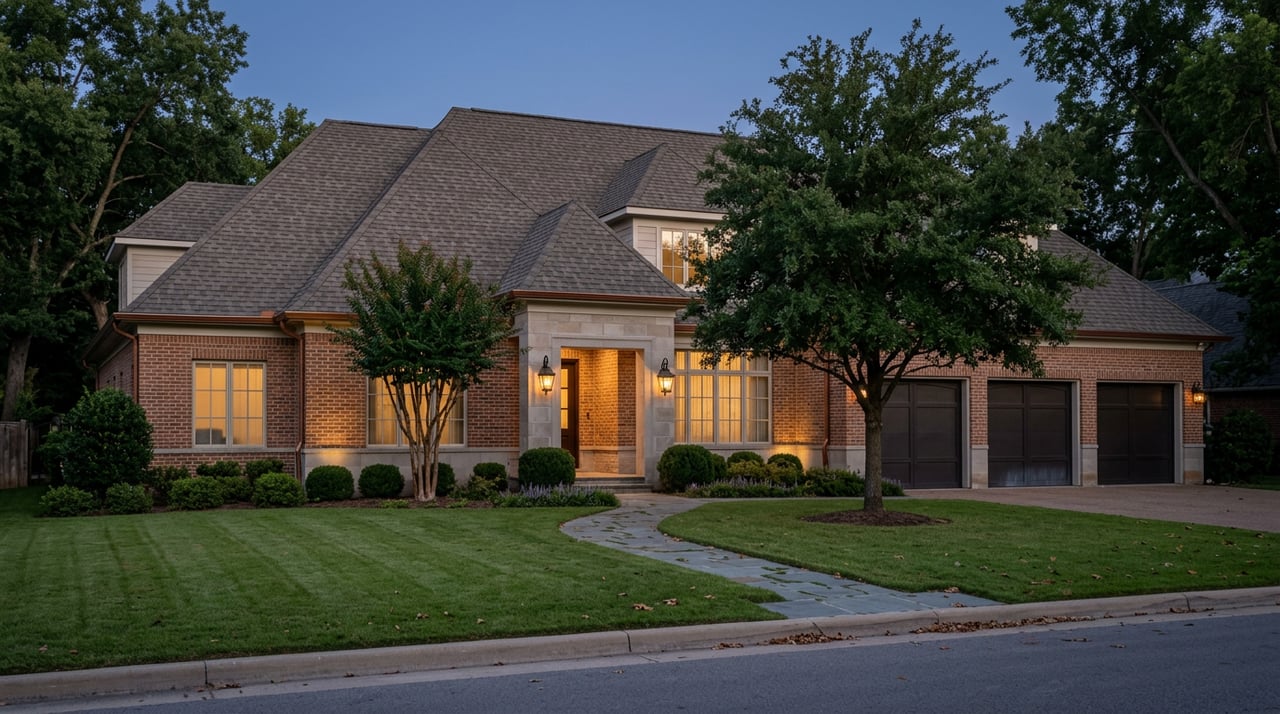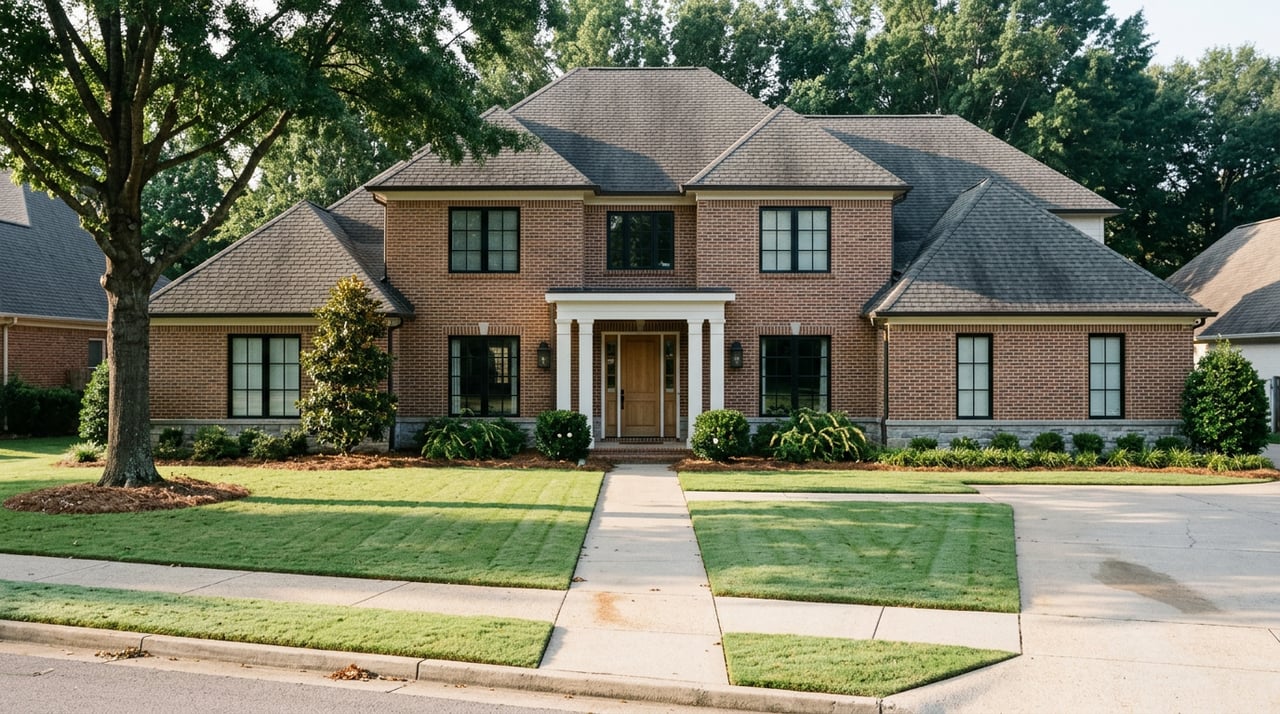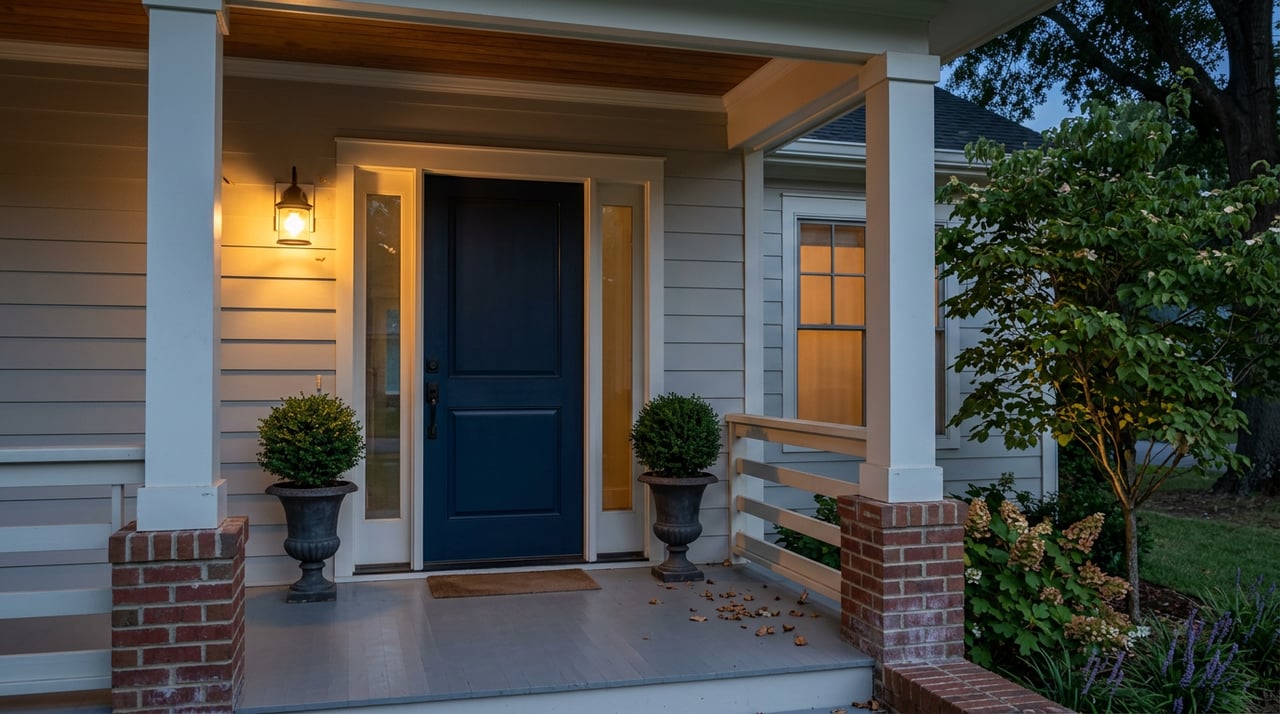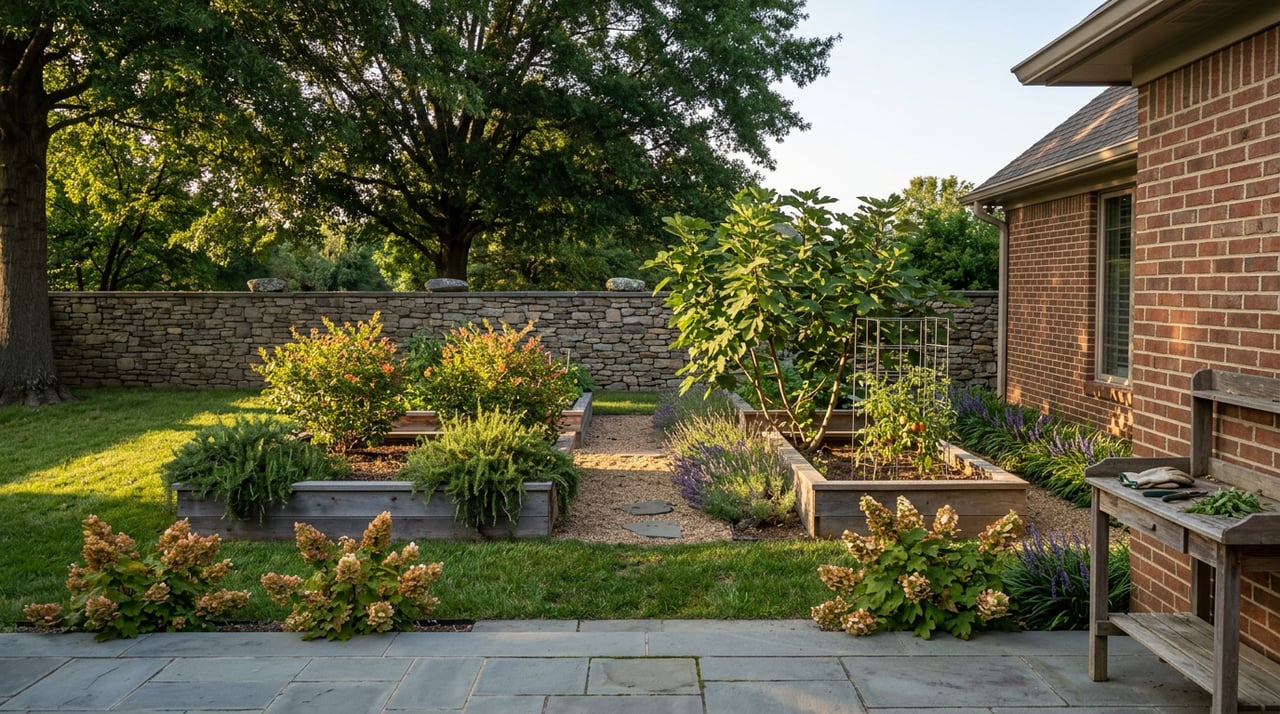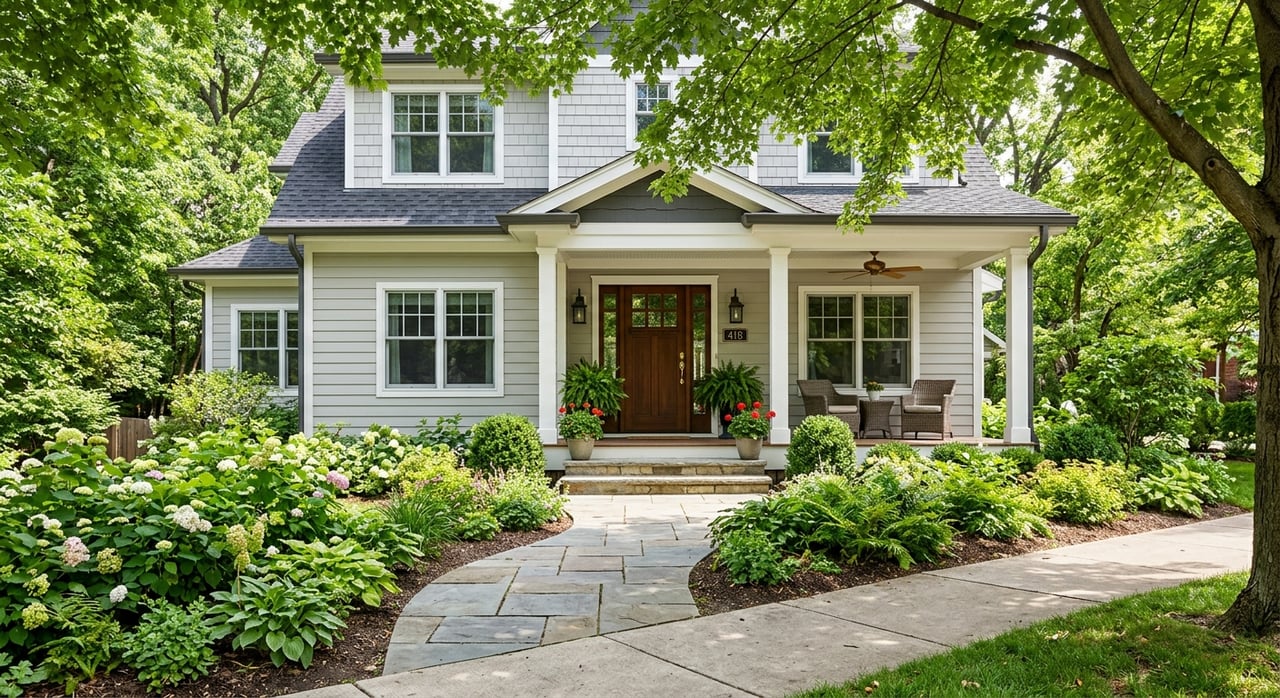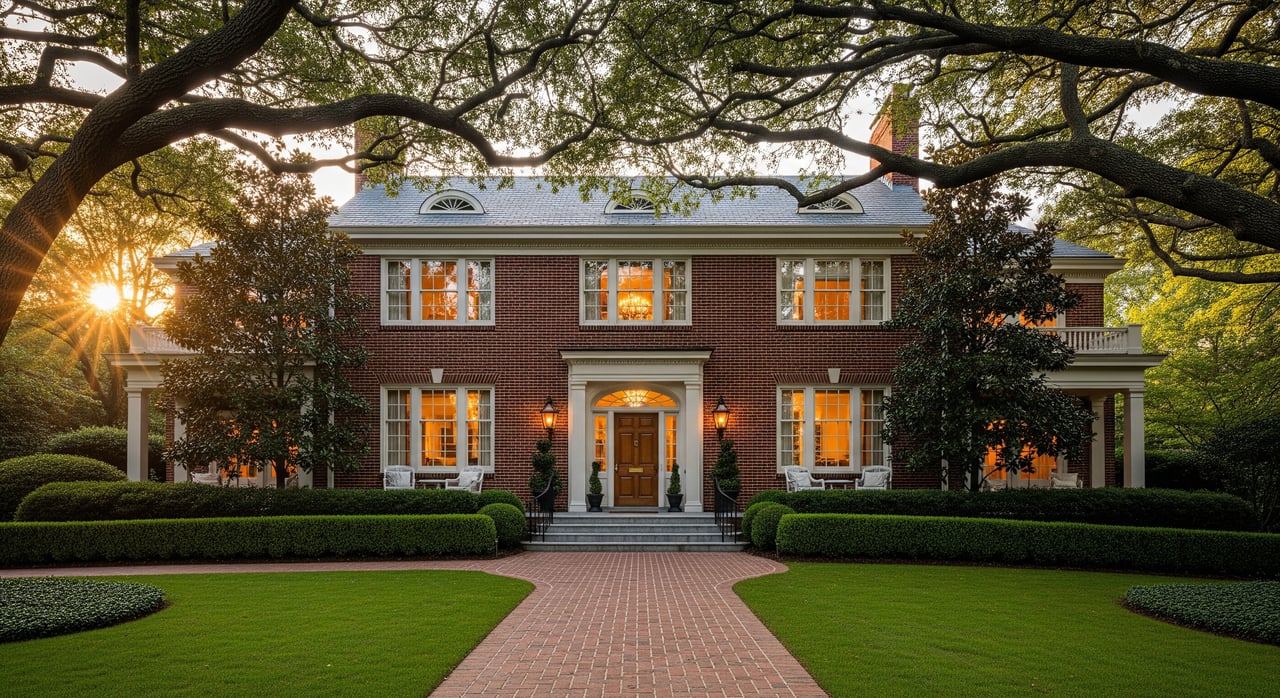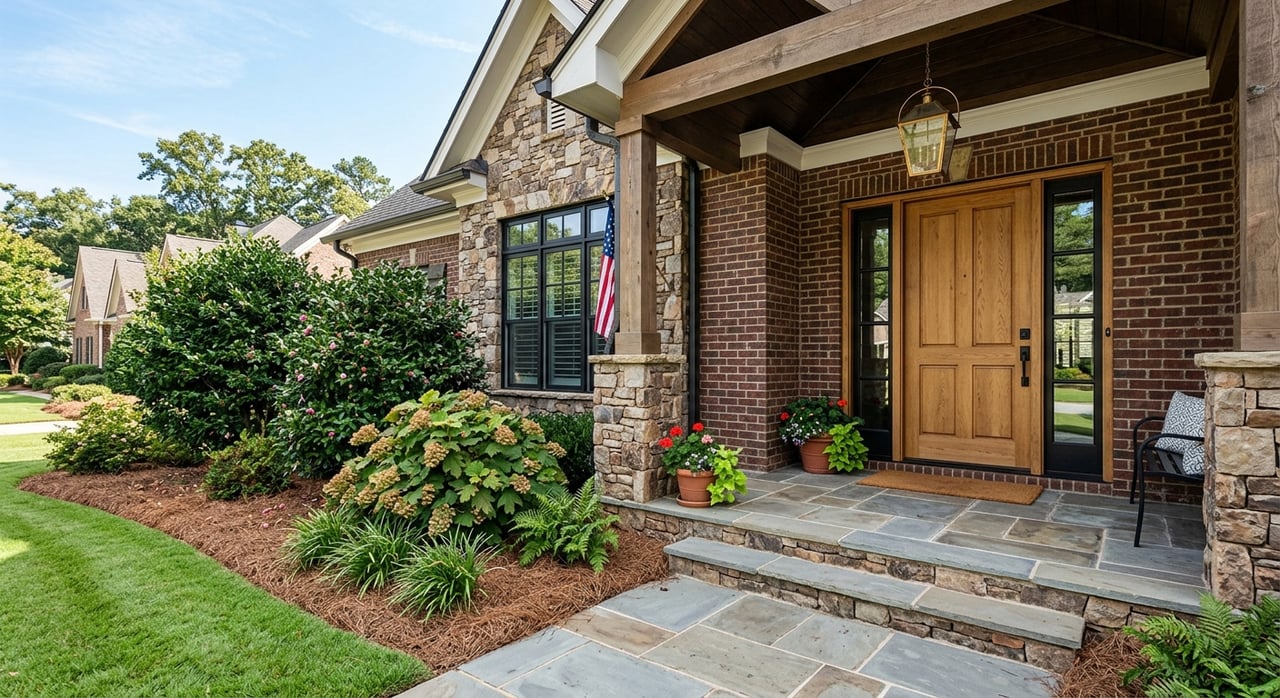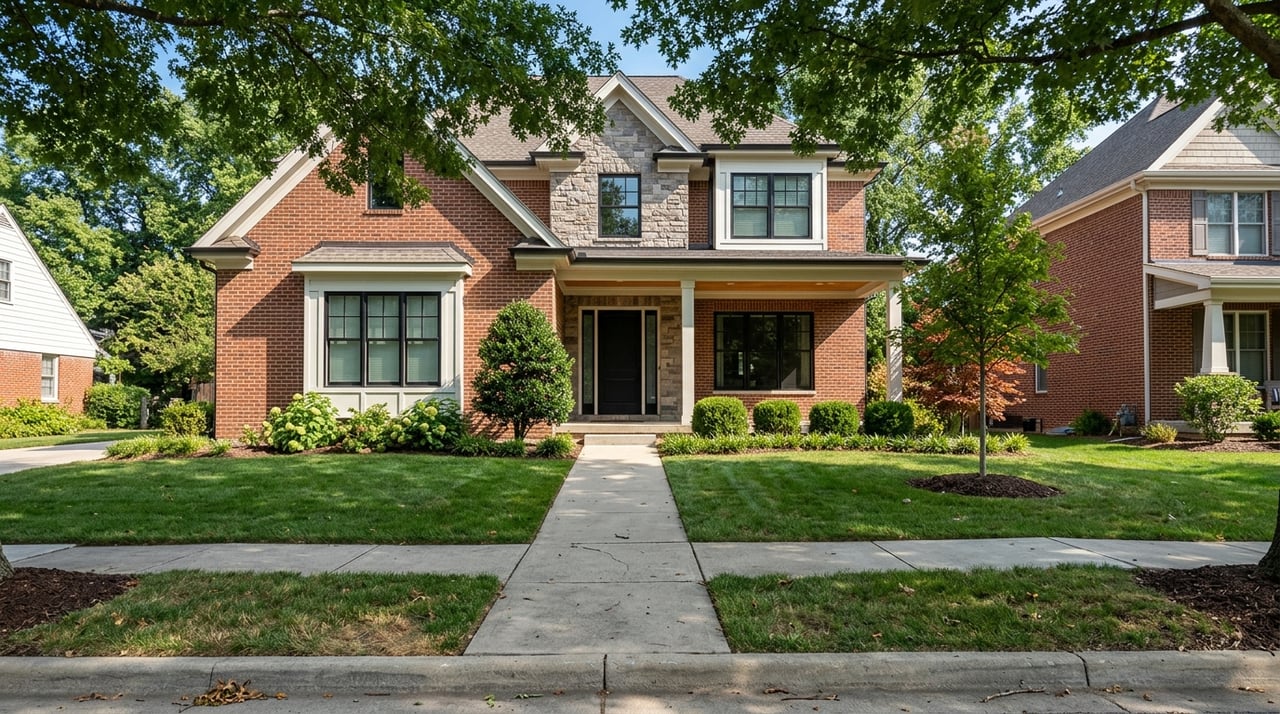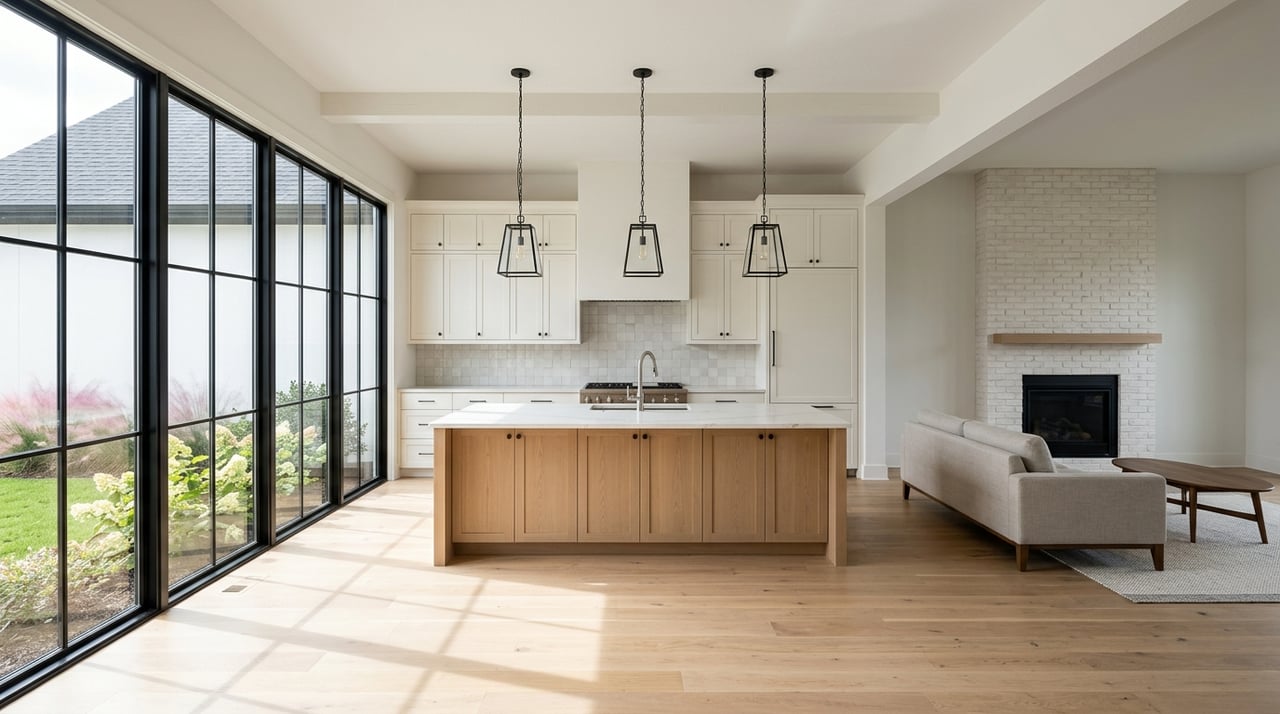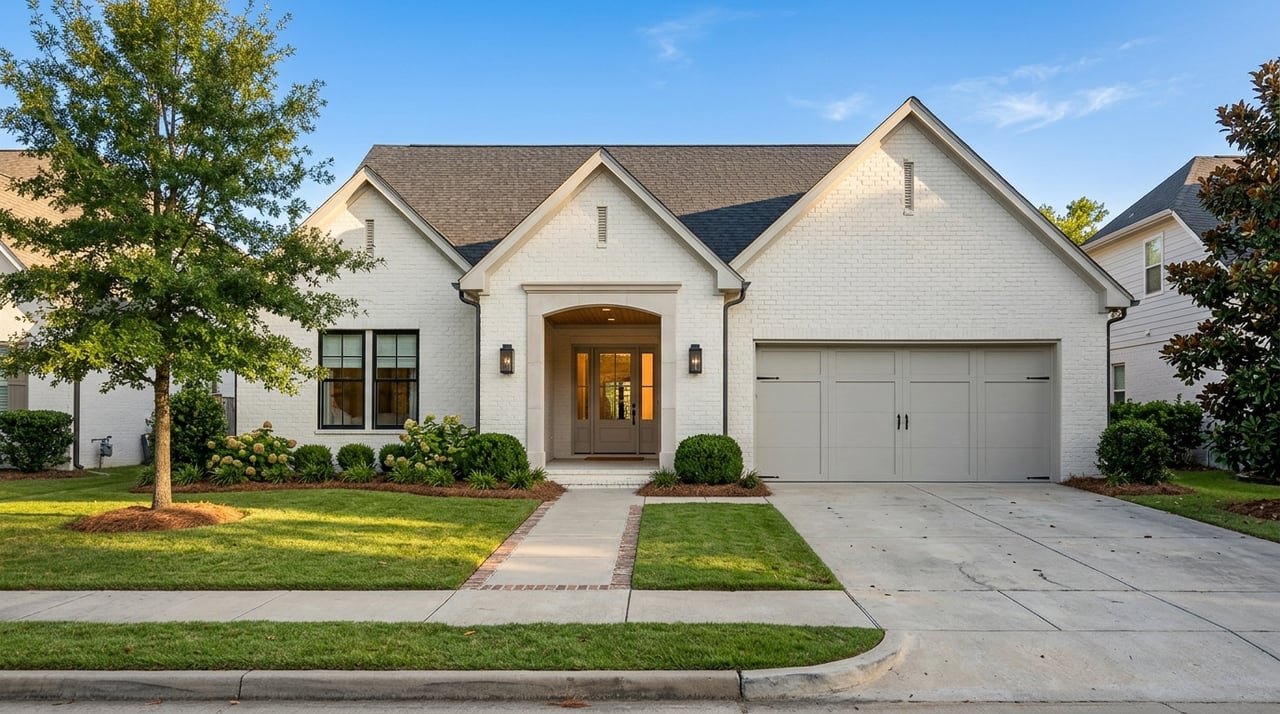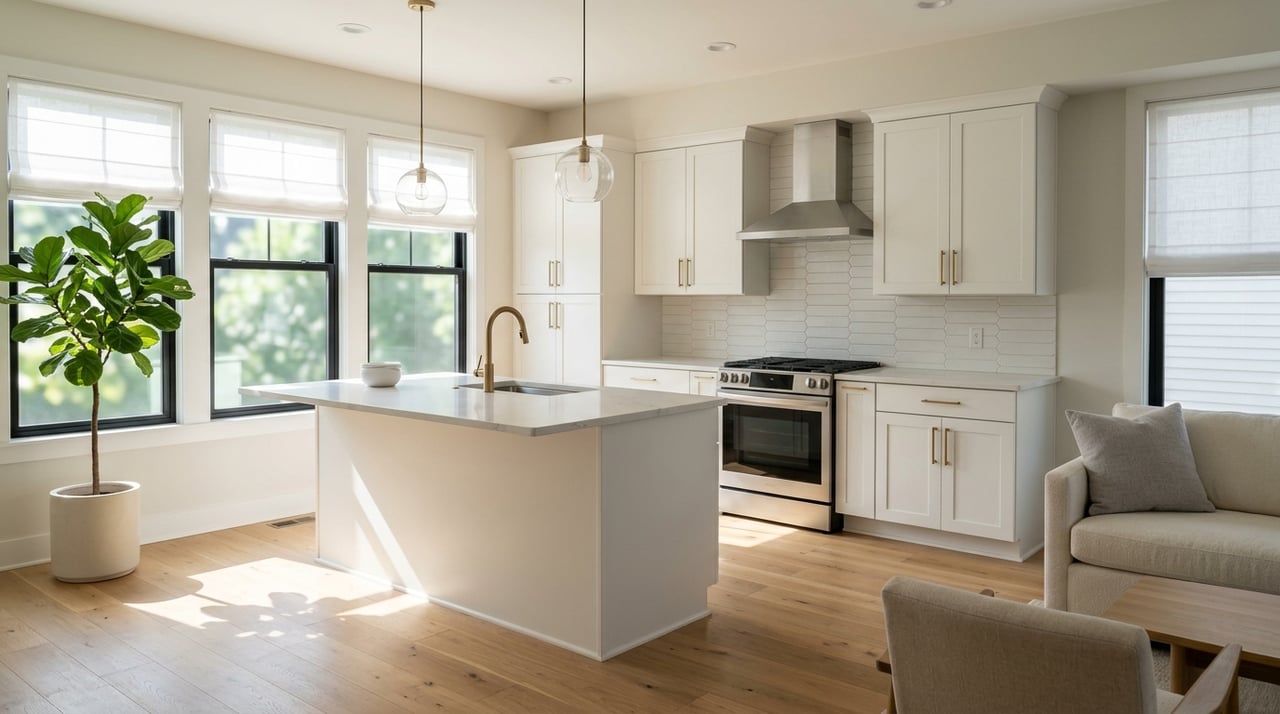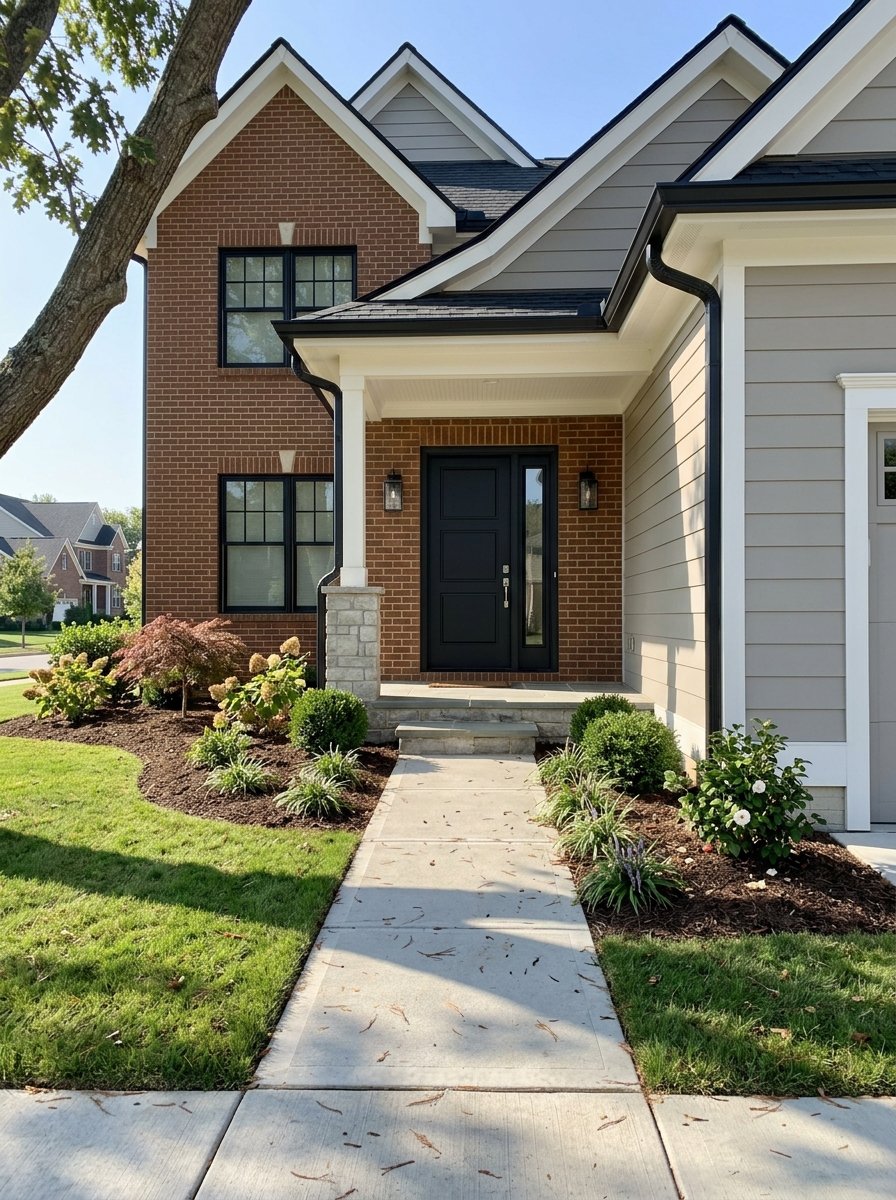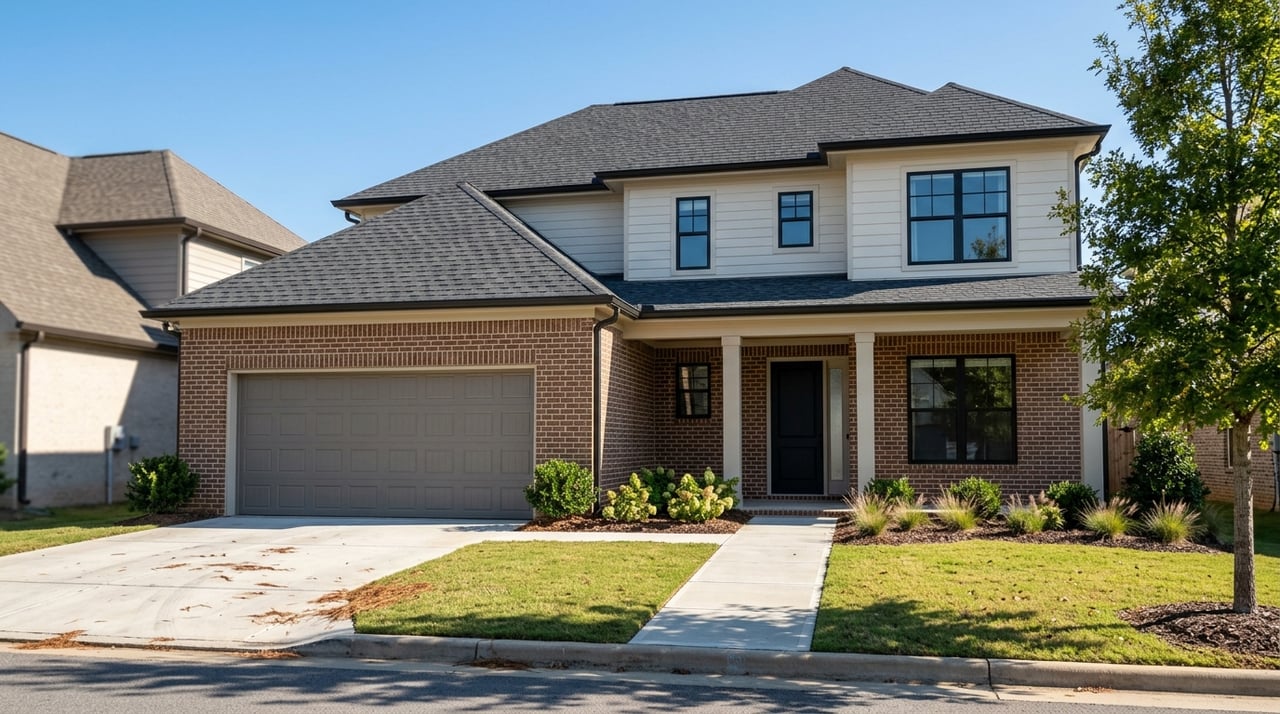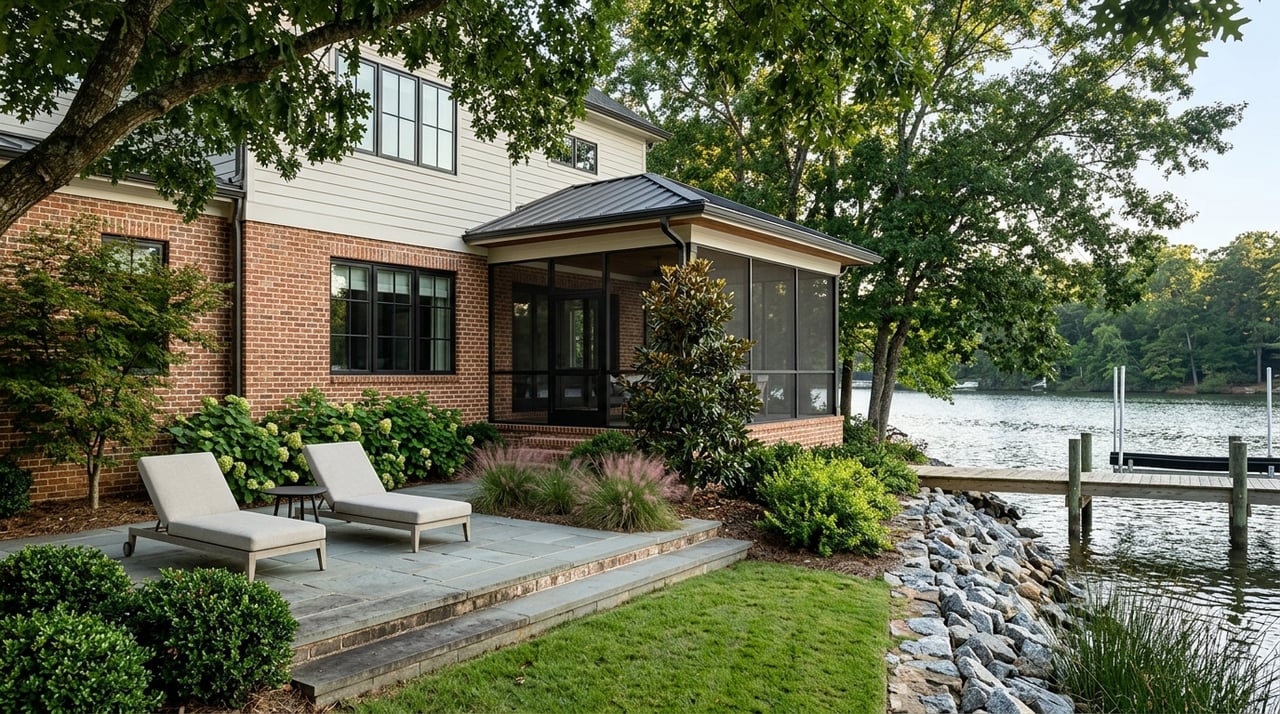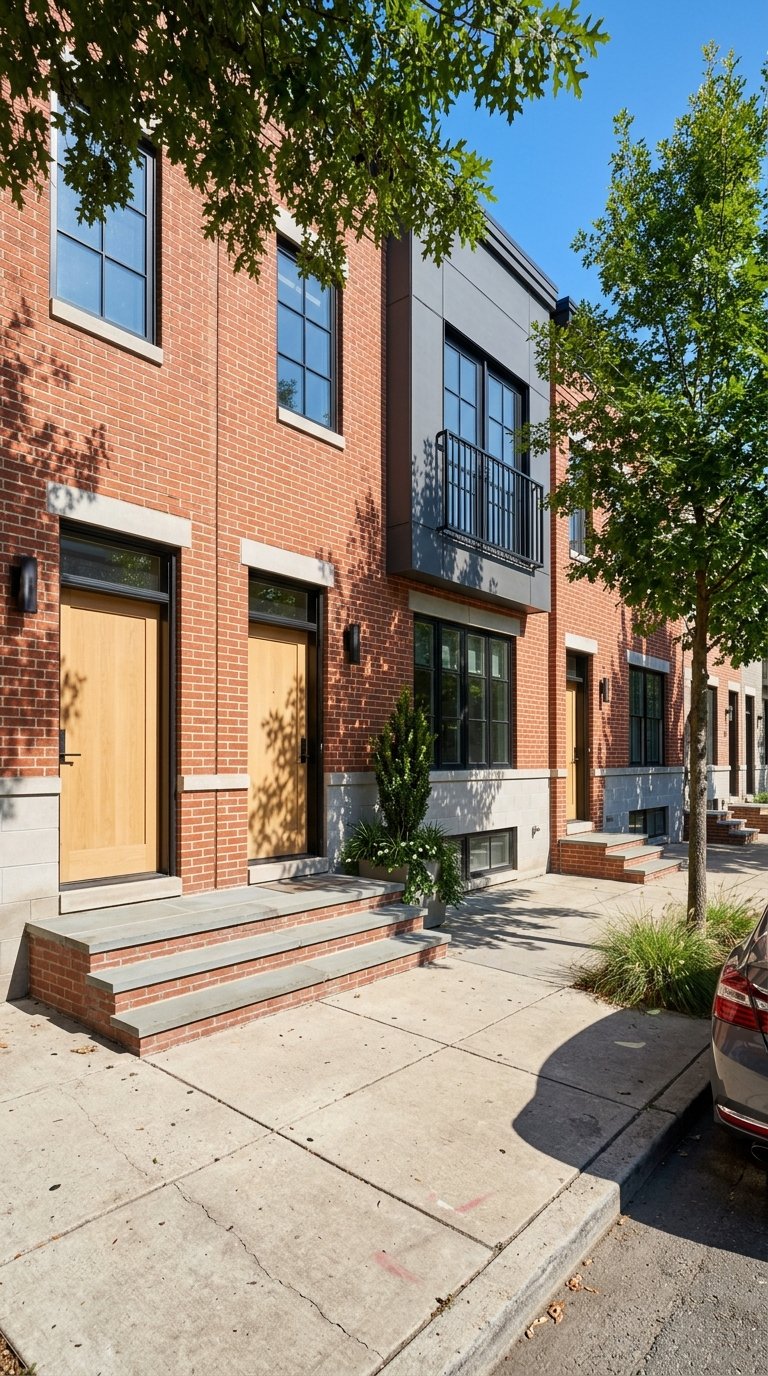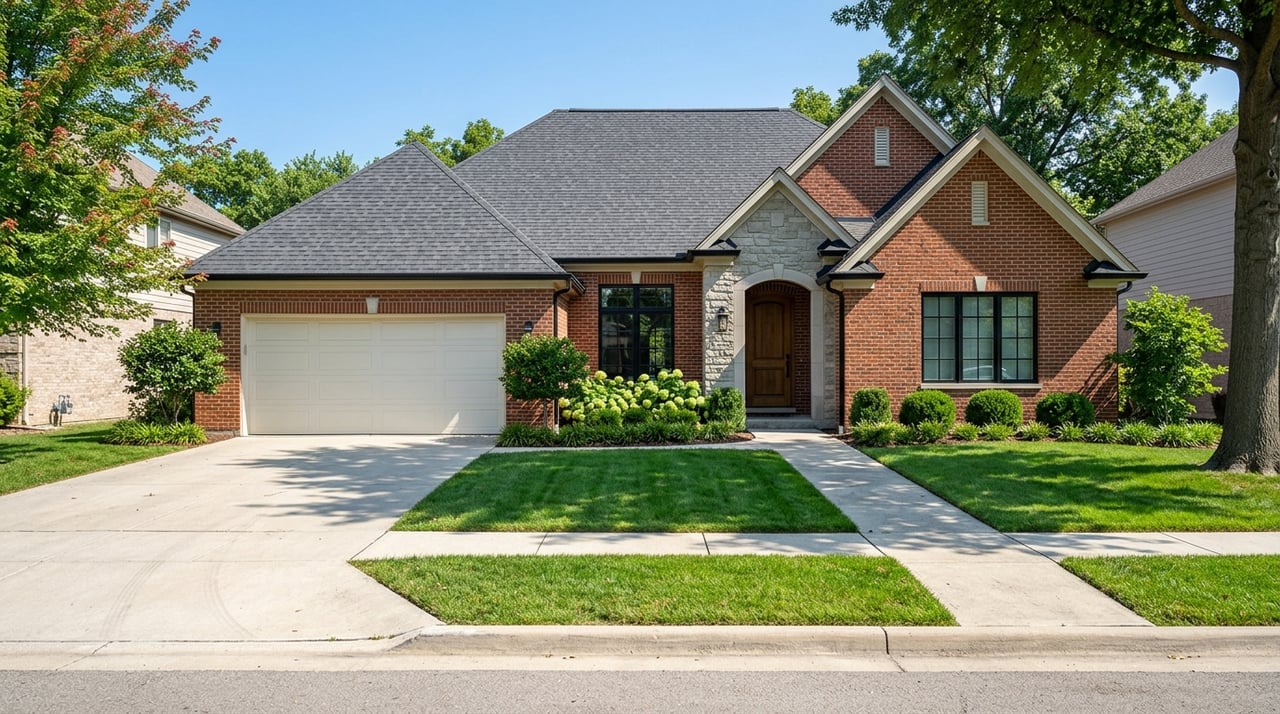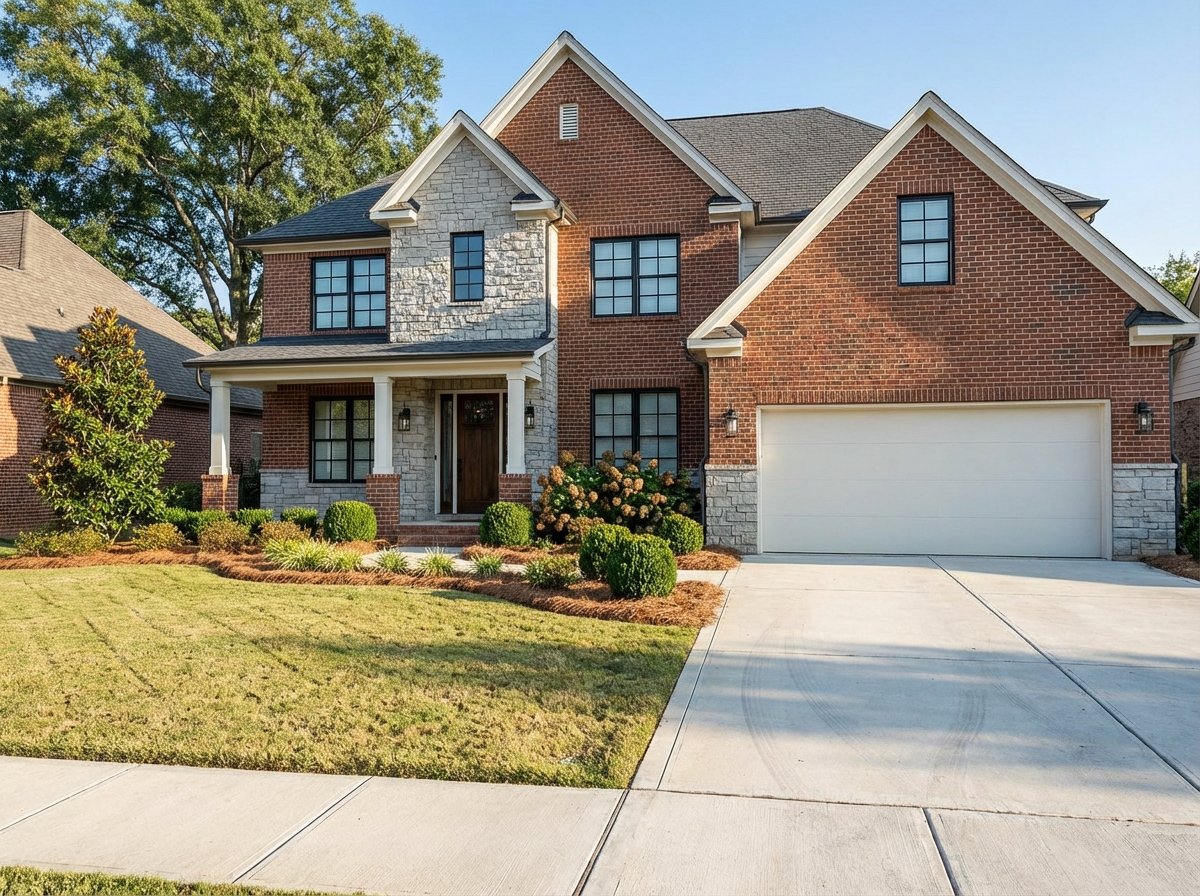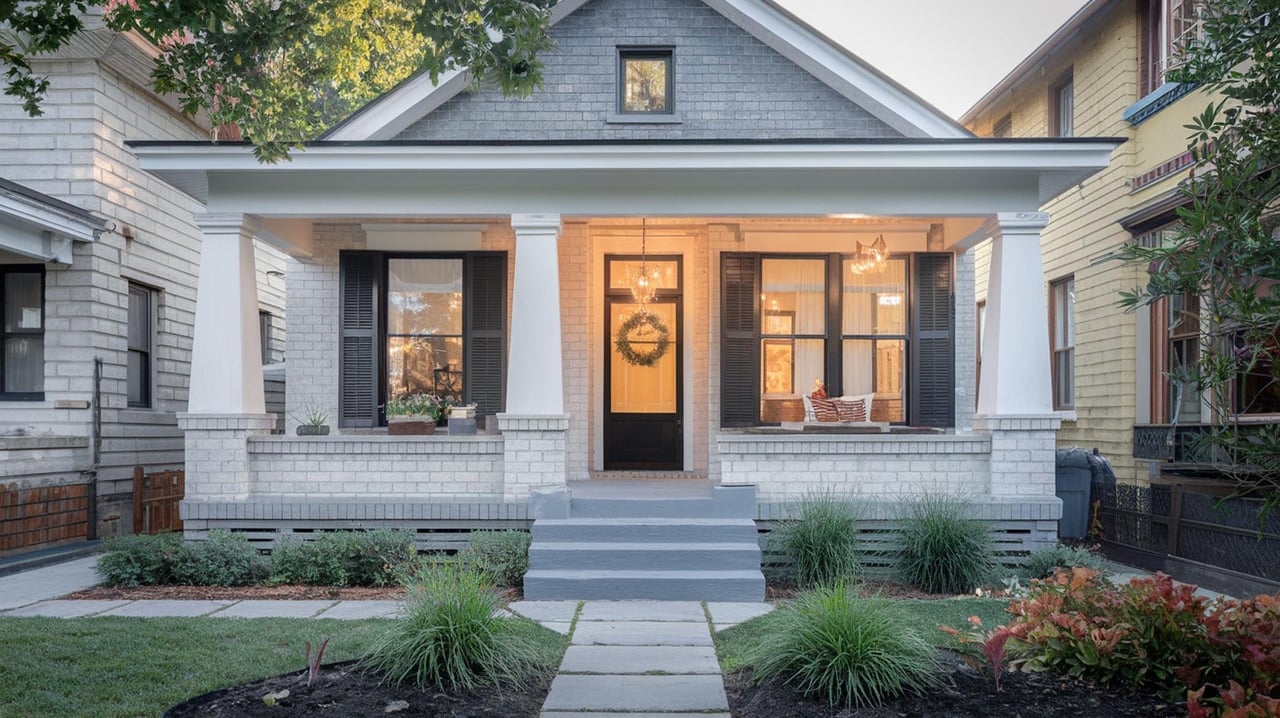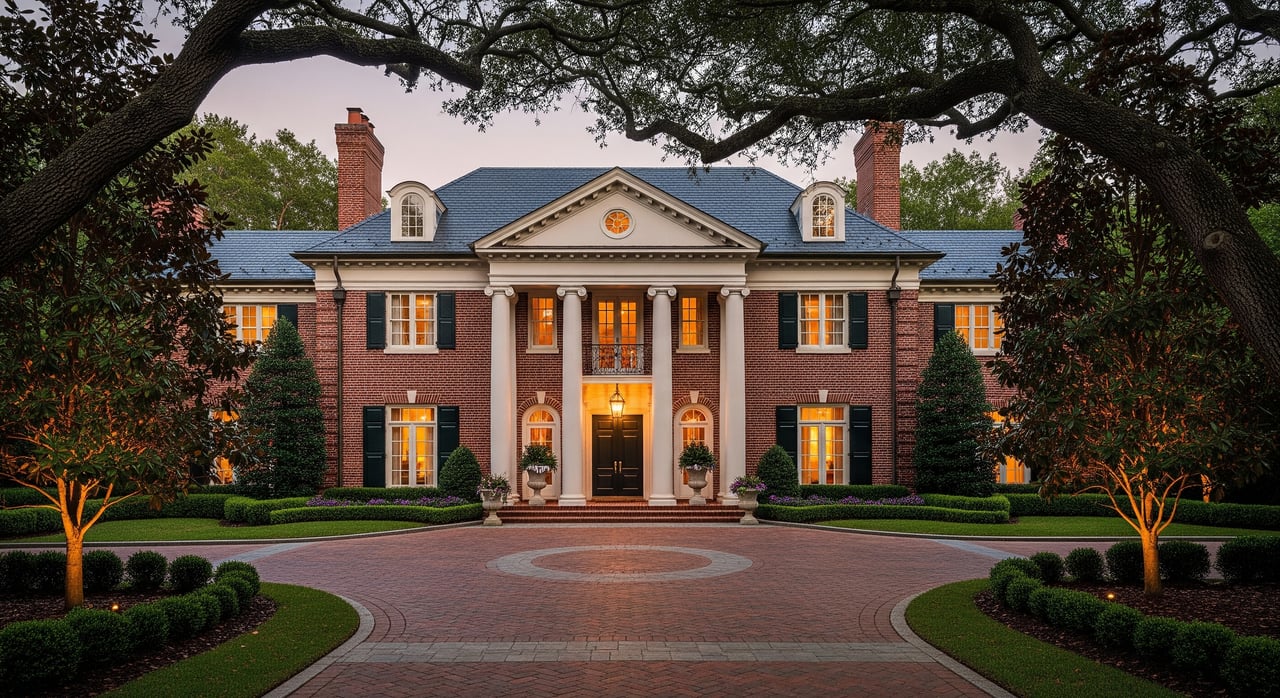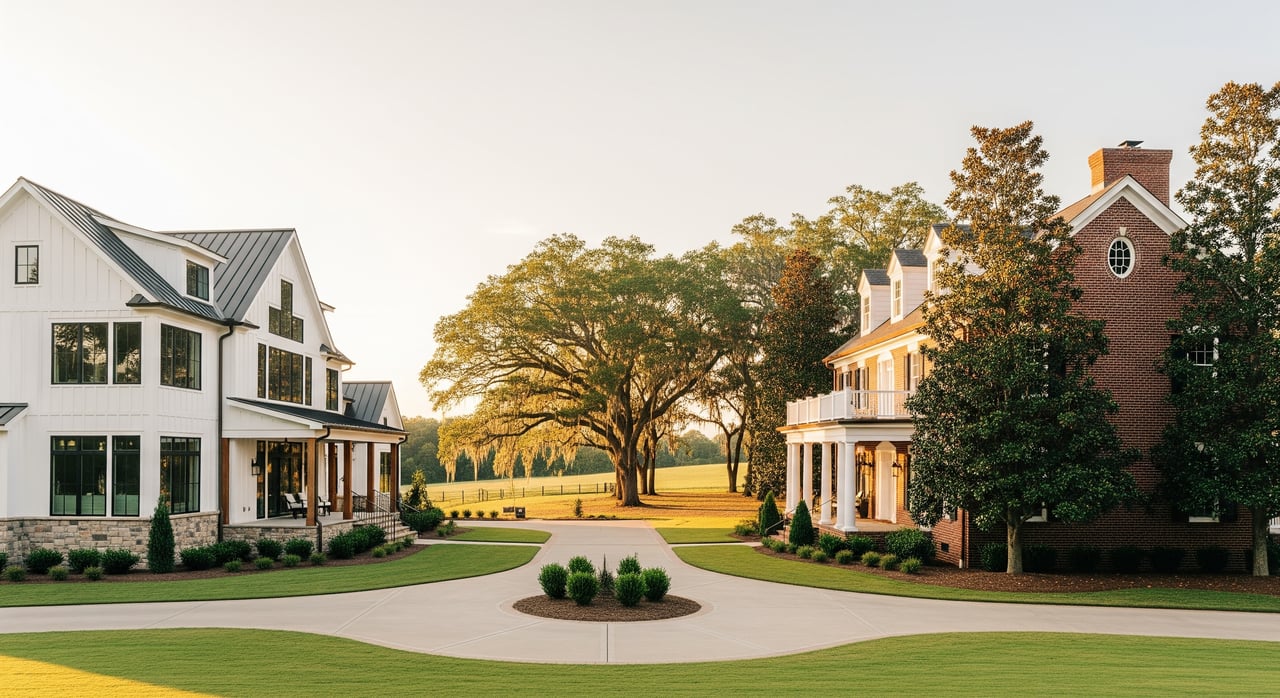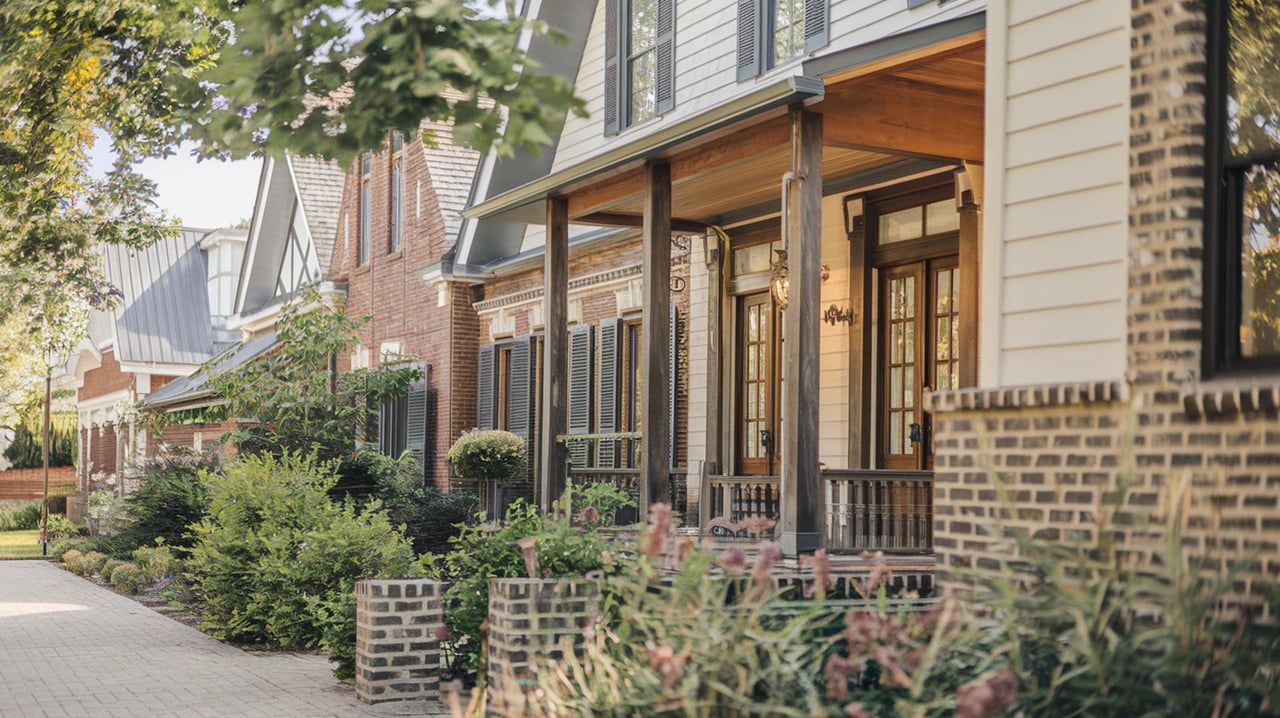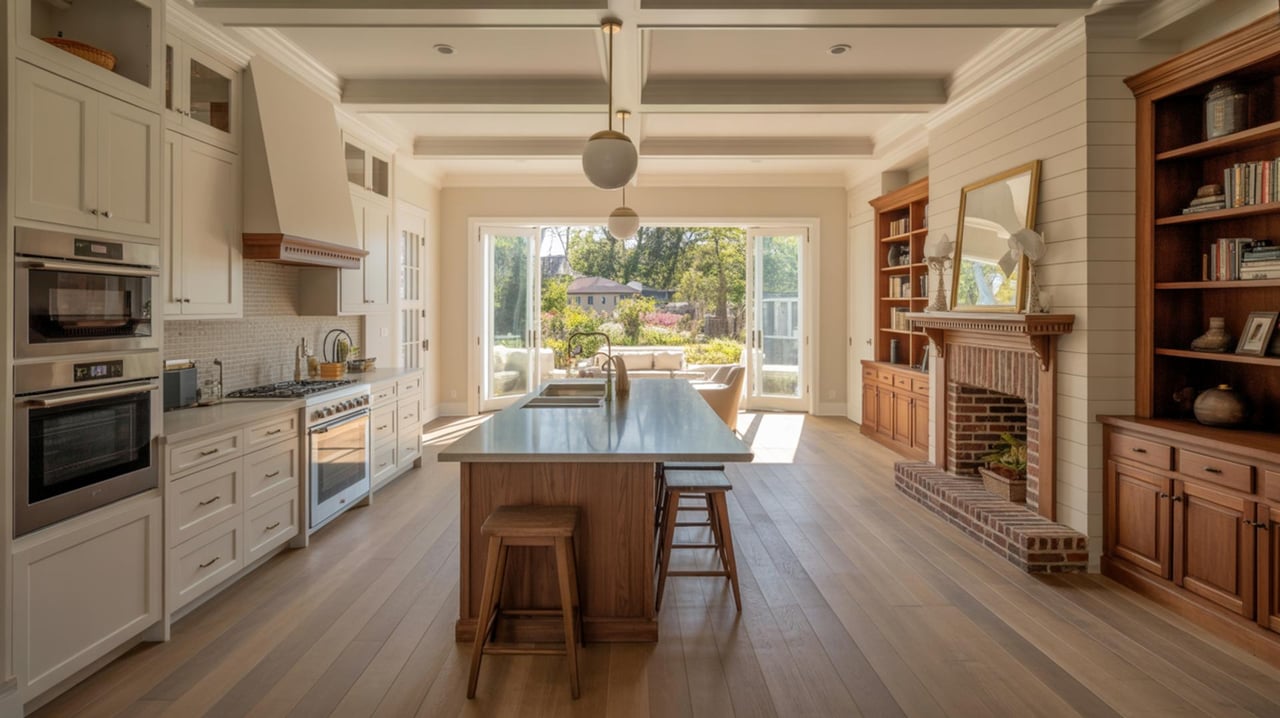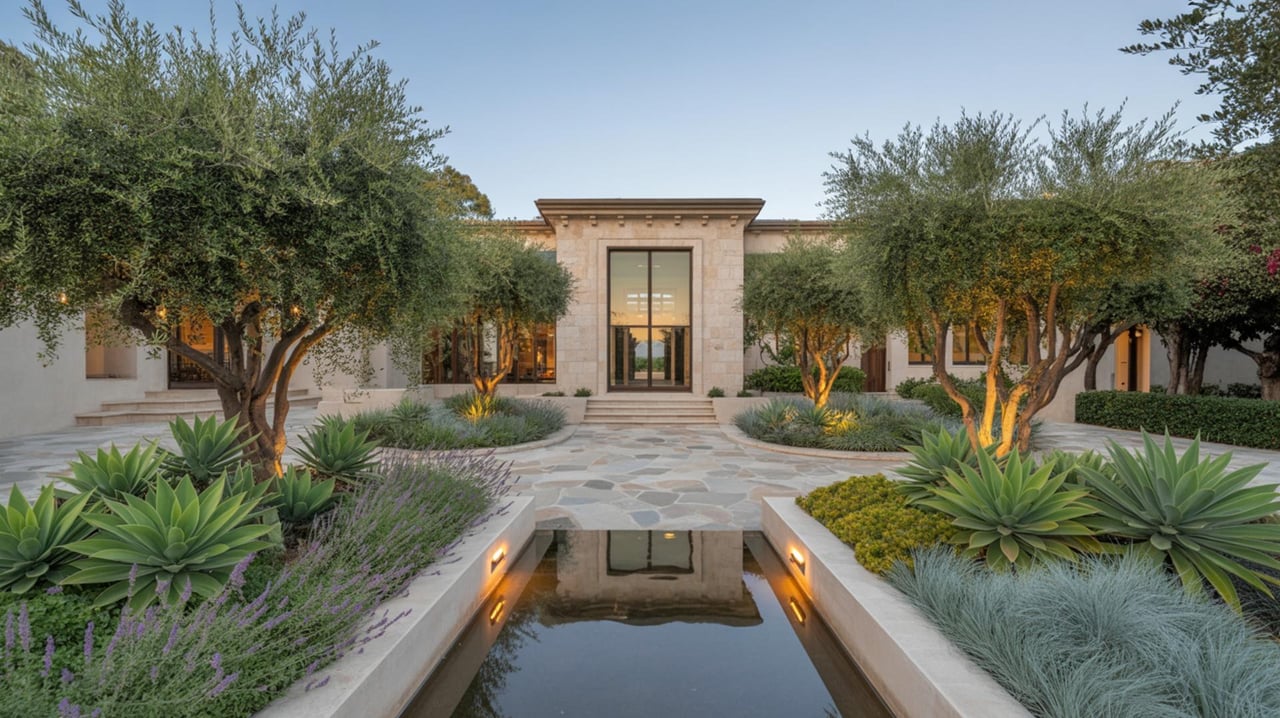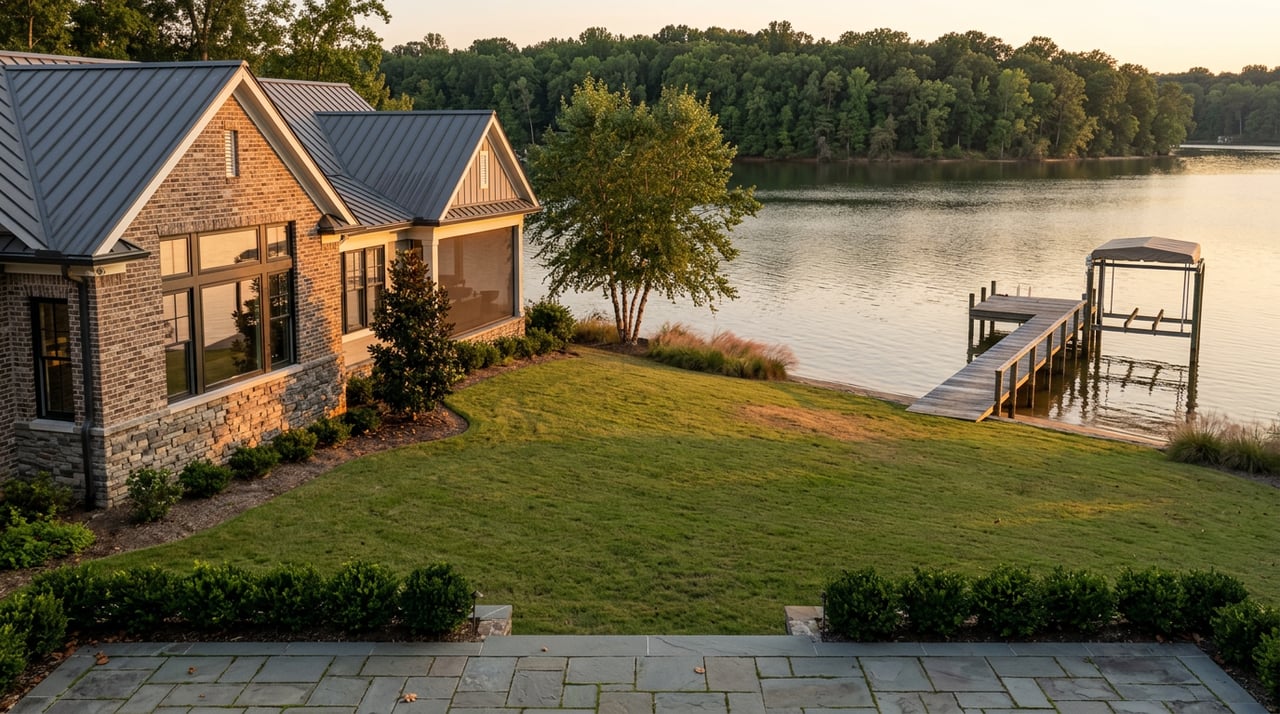
Two active listings sat in the same Cornelius zip code this past August. One was a single-family home in Antiquity, the walkable neighborhood off South Main Street where houses built between 2007 and 2016 have been trading between $480,000 and $830,000 over the past year, most of them gone in a matter of days. The other was a waterfront estate in Bahia Bay, listed at $4.3 million, a few coves over from another Peninsula-area home asking $4.65 million on Norman Shores Drive.
Same town. Same MLS. Same zip code, 28031. Almost nothing else in common.
That gap is not a fluke of two unusual listings. It is the reason a single headline number, the "median home price in Cornelius," tells a buyer almost nothing useful about what they will actually pay. Cornelius is not one market with a range. It is two markets, on-water and off-water, that happen to share a town hall.
The Median Is Doing Too Much Work
Ask three sources for Cornelius's median price this year and you will get three different answers, and the differences are the story, not noise to average away.
Portal data pegged the median list price in August 2026 at $574,000, down 11 percent from a year earlier, with price per square foot around $301, also down slightly year over year. A separate reading of closed transactions over the trailing three months, updated in mid-August 2026, put the median sale price closer to $627,500, with the average sale price running to about $1.12 million.
List price and closed price measure different things and lag each other by design, so some of that spread is just methodology. But the bigger gap, between a median in the high $500,000s to low $600,000s and an average above $1.1 million, is not a measurement artifact. It is what happens when a modest number of multimillion-dollar waterfront closings pull the average far above where most transactions actually happen. Cornelius has some of the widest price spread of any town on Lake Norman for exactly this reason: it runs from in-town condos near Catawba Avenue to deep-water estates in the Peninsula, and both count toward the same town-level statistic.
If you are comparing Cornelius to a neighboring lake town using median price alone, you are comparing two different products that happen to wear the same label.
What the Line Actually Buys
Here is the comparison that matters more than the town-wide number.
| Antiquity / in-town corridor | Peninsula / deep-water communities | |
|---|---|---|
| Typical price range | $480,000 to $830,000 (past year, single-family) | Roughly $3.8 million to $5.5 million (active listings, late summer 2026) |
| Typical days on market | Around 2 days | Weeks to months, depending on frontage |
| What you're buying | Walkability, HOA amenities, proximity to downtown and the Antiquity Greenway | Deeded shoreline, dock rights, direct water access |
| Key transaction risk | HOA reserve health, covenant restrictions | Dock permit status and transferability |
Waterfront inventory sits in its own lane entirely. A late-summer snapshot of active Cornelius waterfront listings showed roughly 77 homes on the market with a median asking price near $675,000, a figure that includes everything from older condo-style units to the Peninsula's custom estates. That range is wide enough that "waterfront" alone tells you almost nothing about the number on the contract. The specific street, the specific cove, and whether the lot has a legal, transferable dock do far more of the pricing work than square footage does.
The Dock Is Not Actually Yours to Sell
This is the part of a Cornelius purchase that catches buyers who have shopped other lake markets off guard, and it deserves more attention than most listing descriptions give it.
Lake Norman is a Duke Energy hydroelectric reservoir. Every dock, pier, or boat lift on the lake sits on land Duke Energy still controls, which means the structure is not simply part of the house the way a deck or a garage would be. It is a permitted privilege, reviewed and approved through Duke's Lake Access Permit System, and that approval carries its own rules about what happens at resale.
A few things worth knowing before you write an offer on anything with lake frontage:
Duke Energy just changed the rules in a way that closes off a strategy some land buyers have used for years. Effective July 1, 2026, Duke Energy will no longer review private dock applications where no home is constructed on the adjoining lot. Buying a vacant waterfront parcel with the plan to secure dock rights first and build later is no longer an option on that timeline. If a dock matters to your plans, the home has to exist before Duke will even look at the application.
Older docks are sometimes "grandfathered" under permit rules that predate current standards, but that status is narrower than it sounds. It typically means the structure is allowed to stay as-is, not that it can be modified, expanded, or repaired past a certain point without triggering a fresh review under current rules. Buyers who assume a grandfathered dock gives them flexibility often find out otherwise the first time they want to add a lift.
Not every dock is even attached to the house you are buying. Several Cornelius listings this year advertised a deeded boat slip located a few homes away from the actual property, an assigned slot in a community dock system rather than a private structure at the water's edge. That distinction matters for insurance, for how a lender views the collateral, and for whether the slip transfers automatically or requires a separate assignment at closing.
Then there is simple cost. A basic fixed dock on Lake Norman typically starts in the $15,000 to $25,000 range before you add a lift, which can run another $8,000 to $20,000. The initial Duke Energy application fee runs around $850, on top of county permits, and owners pay an annual maintenance fee that generally falls between $500 and $2,000 depending on the structure's size. Review timelines for a new application commonly run 30 to 90 days, which matters if you are trying to close on a schedule.
None of this shows up in a listing's price-per-square-foot figure. It shows up in due diligence, and it is exactly the kind of detail that separates a smooth waterfront closing from one that stalls three weeks before the deadline.
Downtown Is Quietly Building a Second Option
The other half of this story is what is happening away from the water, because it changes what "priced out of the lake" actually means in Cornelius right now.
The town's 2050 Downtown Master Plan has been in development for more than a year, centered on roughly 220 acres around Town Hall, Main Street, and Catawba Avenue, reaching toward the site of a future Red Line commuter rail station near Zion Avenue. The plan went through a public revision in April 2026 after residents pushed back on an earlier version's traffic and road-alignment recommendations, and final adoption is still pending later in 2026. Nothing about this is finished, but the direction is clear: more walkable streets, a designated arts corridor along Catawba, and stronger connections between downtown and the surrounding neighborhoods.
Right next to Antiquity, a project sometimes called Greenway Gartens is clearing a former industrial site to add several hundred new residential units within walking distance of downtown Cornelius, alongside a planned roundabout at Zion Avenue meant to handle the added traffic. Combined with the master plan's emphasis on Catawba Avenue as a pedestrian-friendly corridor, that is real housing supply landing in the part of Cornelius that already trades in days, not weeks.
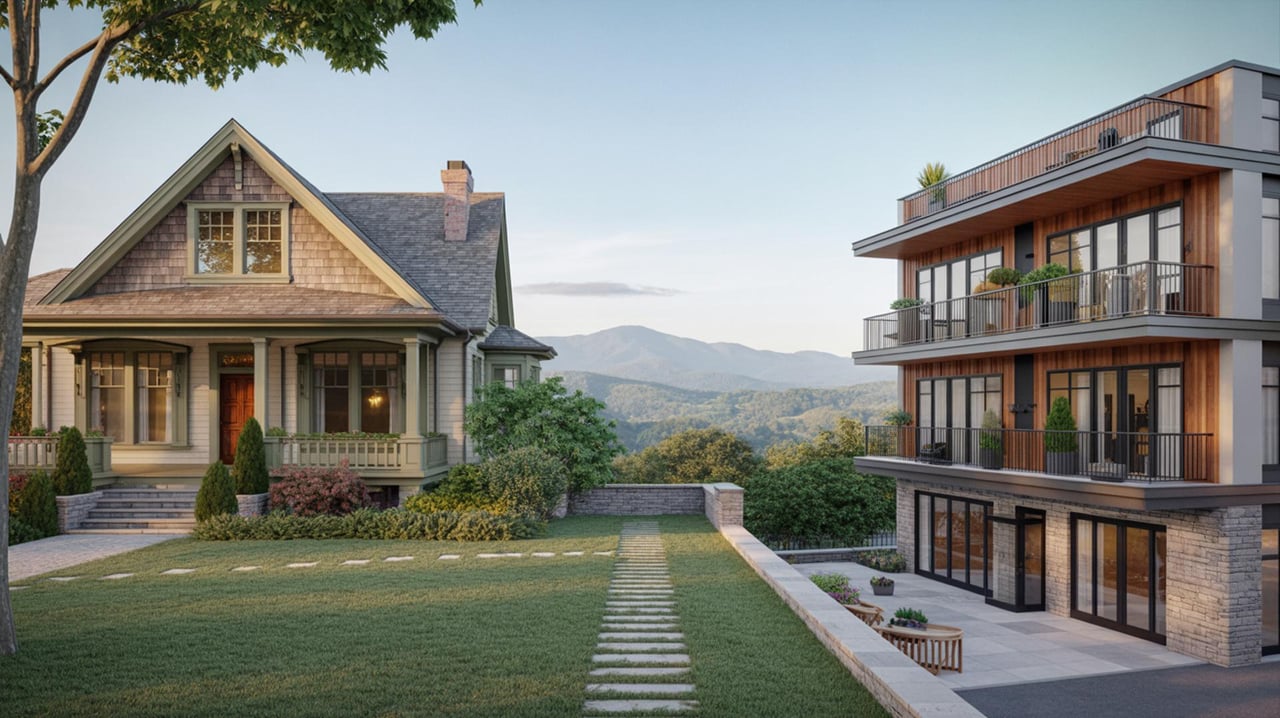
For a buyer who has done the math on waterfront and found it out of reach, that matters. The choice in Cornelius is increasingly not "lake or somewhere else." It is lake, or a genuinely different in-town product that is getting more amenities and better transit access every year the master plan moves forward.
Frequently Asked Questions
Does every home in a Cornelius "waterfront community" come with a private dock? No. Some communities offer deeded boat slips in a shared dock system rather than a private structure attached to the lot, and the slip's location relative to the house can vary significantly. Confirm what specifically transfers with the deed before assuming any home in a waterfront-adjacent neighborhood includes direct dock access.
Why do I see different median prices for Cornelius depending on where I look? Portal-reported medians typically reflect current list prices, which update in near real time. Closed-sale medians reflect completed transactions over a trailing window, often the past three months, and lag the market by design. Neither number is wrong. They are answering slightly different questions, and the gap between them is often as informative as either figure alone.
If I buy in Antiquity instead of on the water, am I missing out on the lake lifestyle entirely? Not necessarily. Antiquity residents have direct access to the Antiquity Greenway for walking and biking, a neighborhood dog park, and proximity to downtown Cornelius shops and restaurants, all within a short drive of public boat access points elsewhere in town. It is a different relationship to the lake than owning a private dock, but it is not disconnected from it.
Cornelius rewards buyers who ask what a specific price is actually made of, not just what it says on the listing sheet. If you are weighing a deep-water estate against an in-town alternative, or trying to figure out whether a dock's paperwork will survive closing, that is exactly the kind of question worth working through before you write an offer. Wishon Group knows this market street by street. Let's Connect.