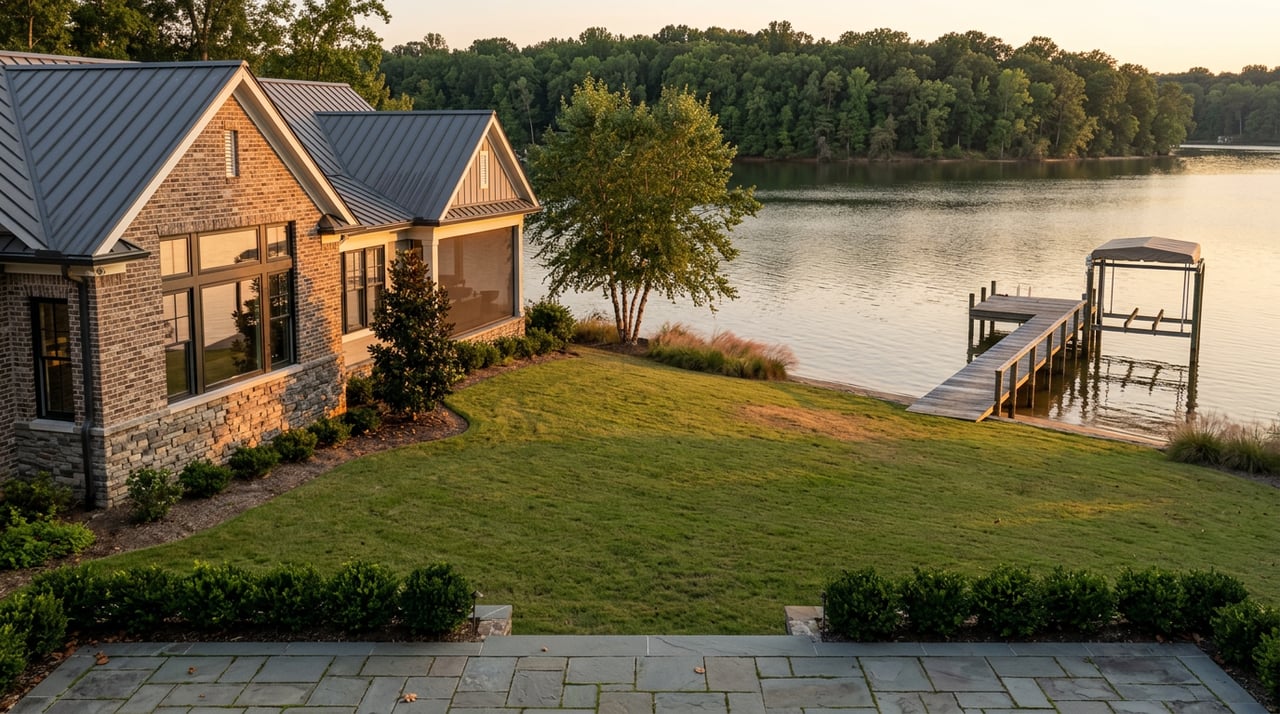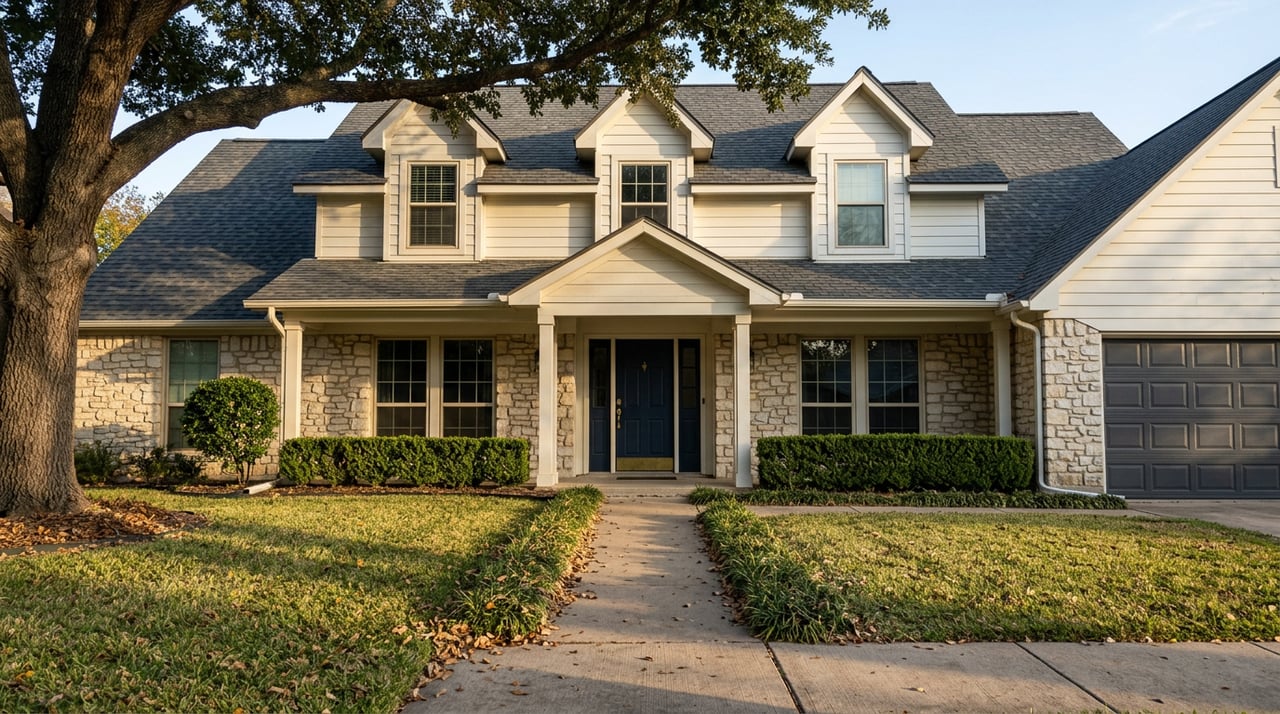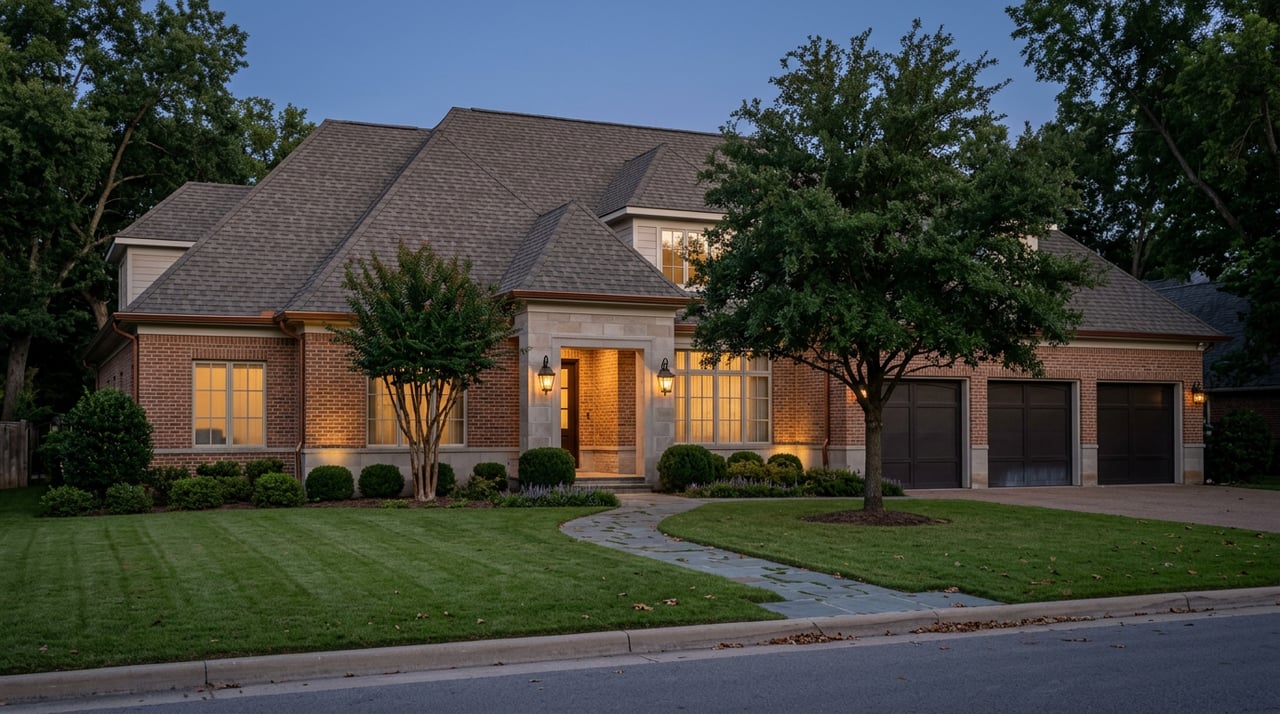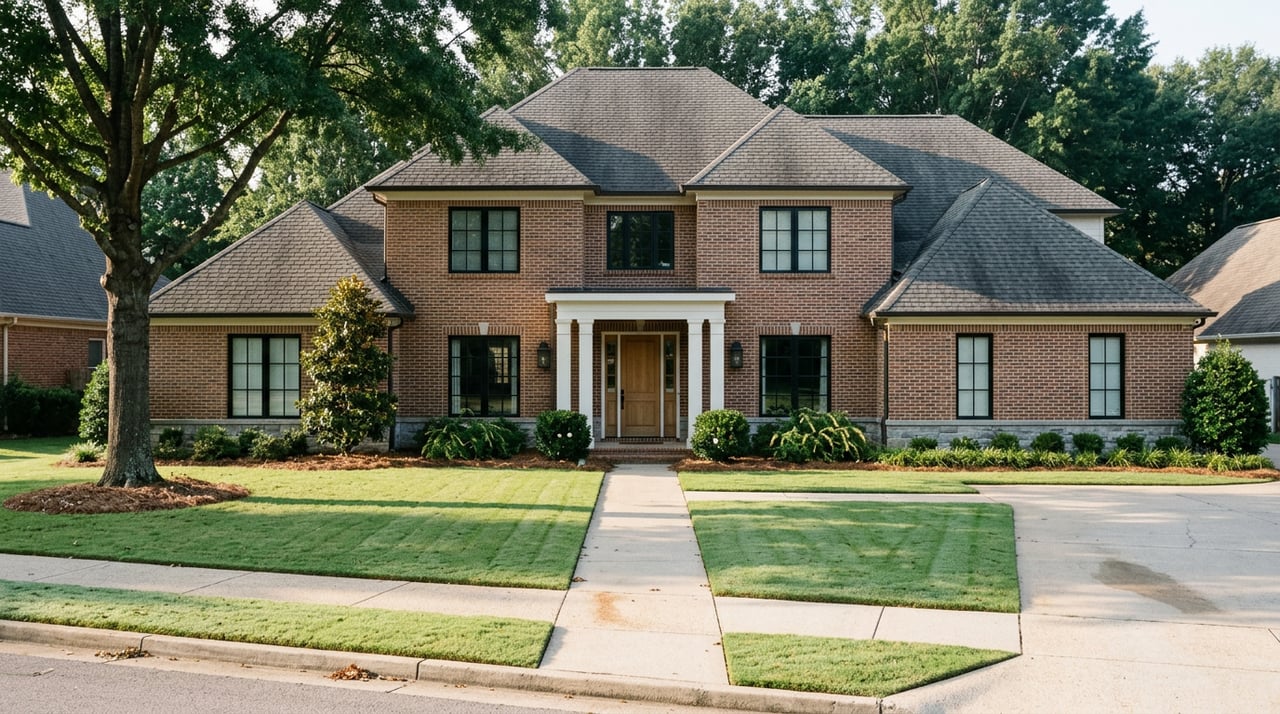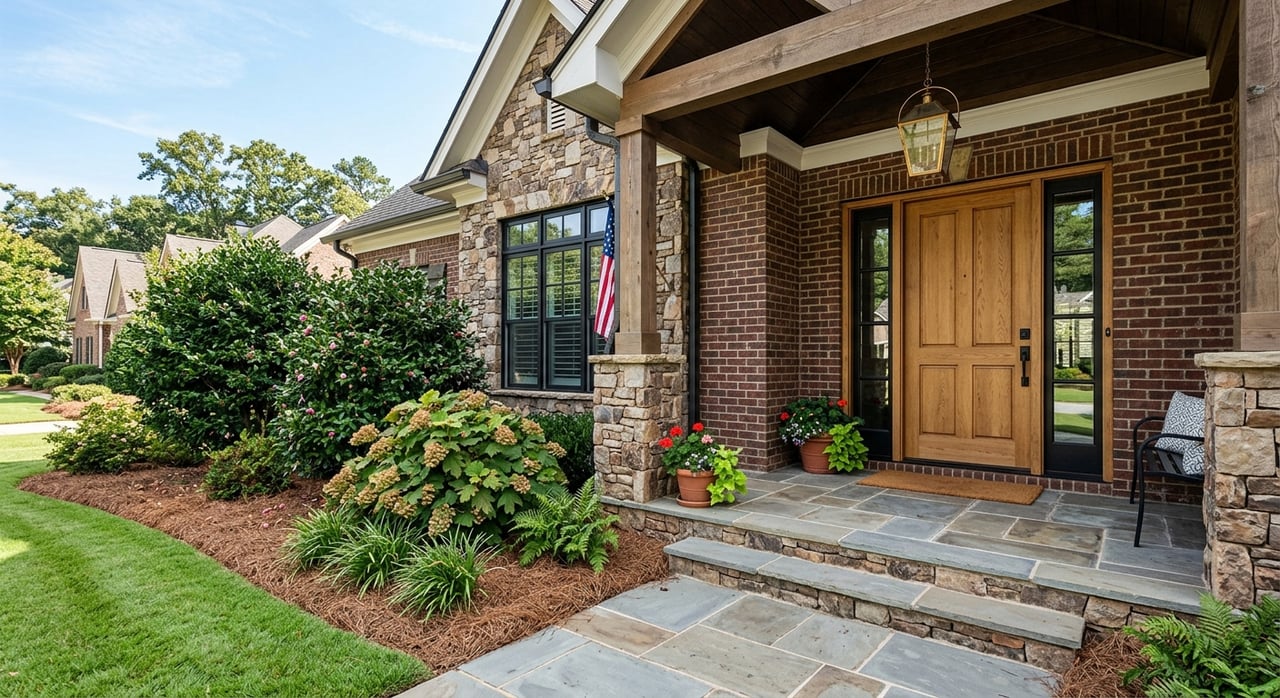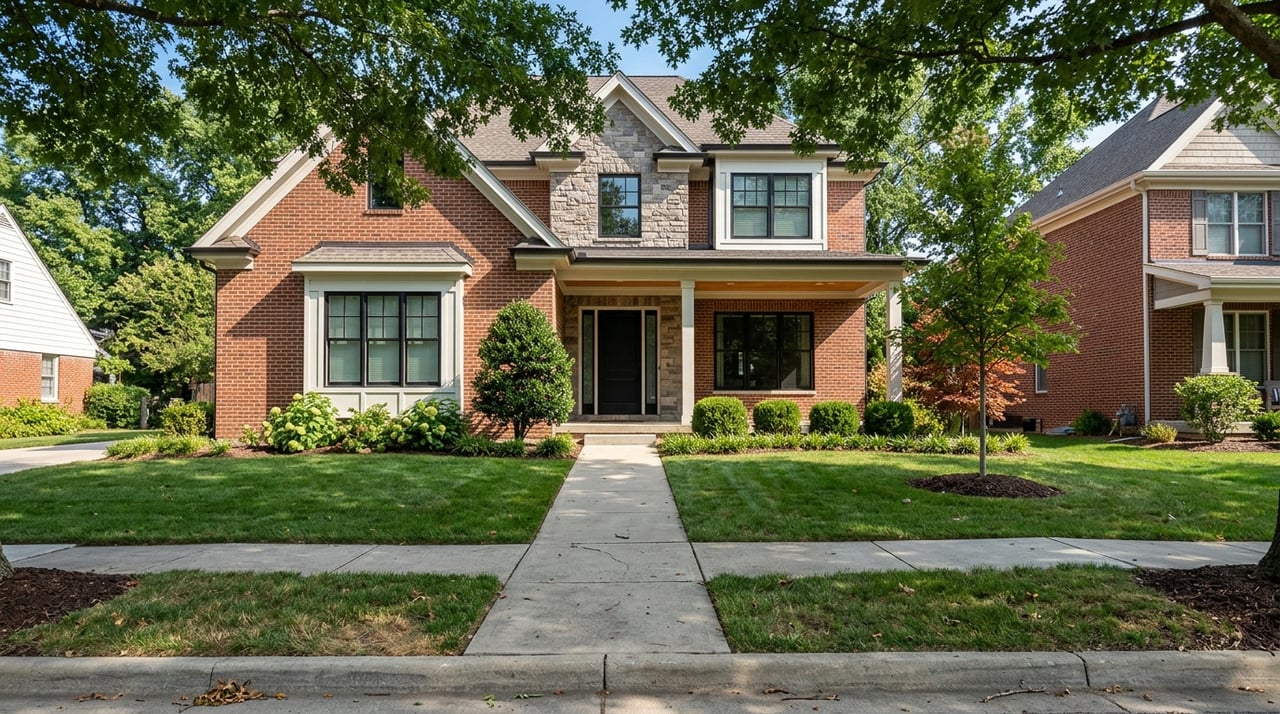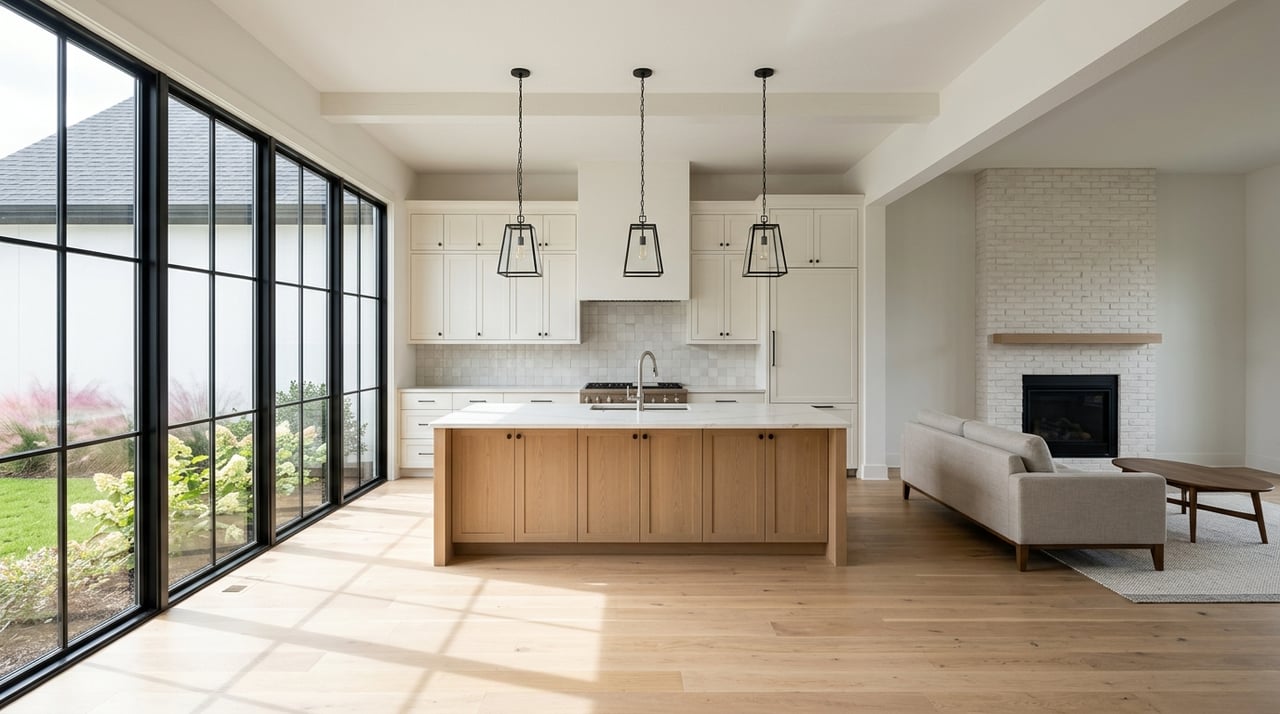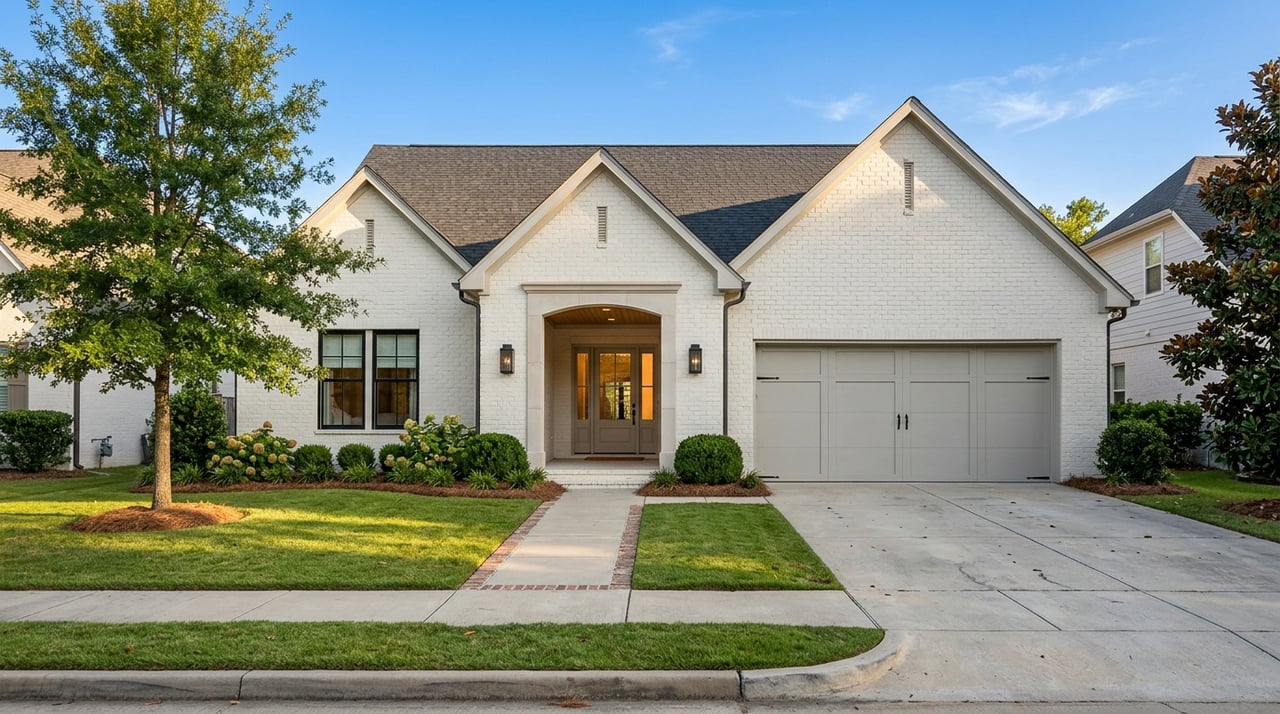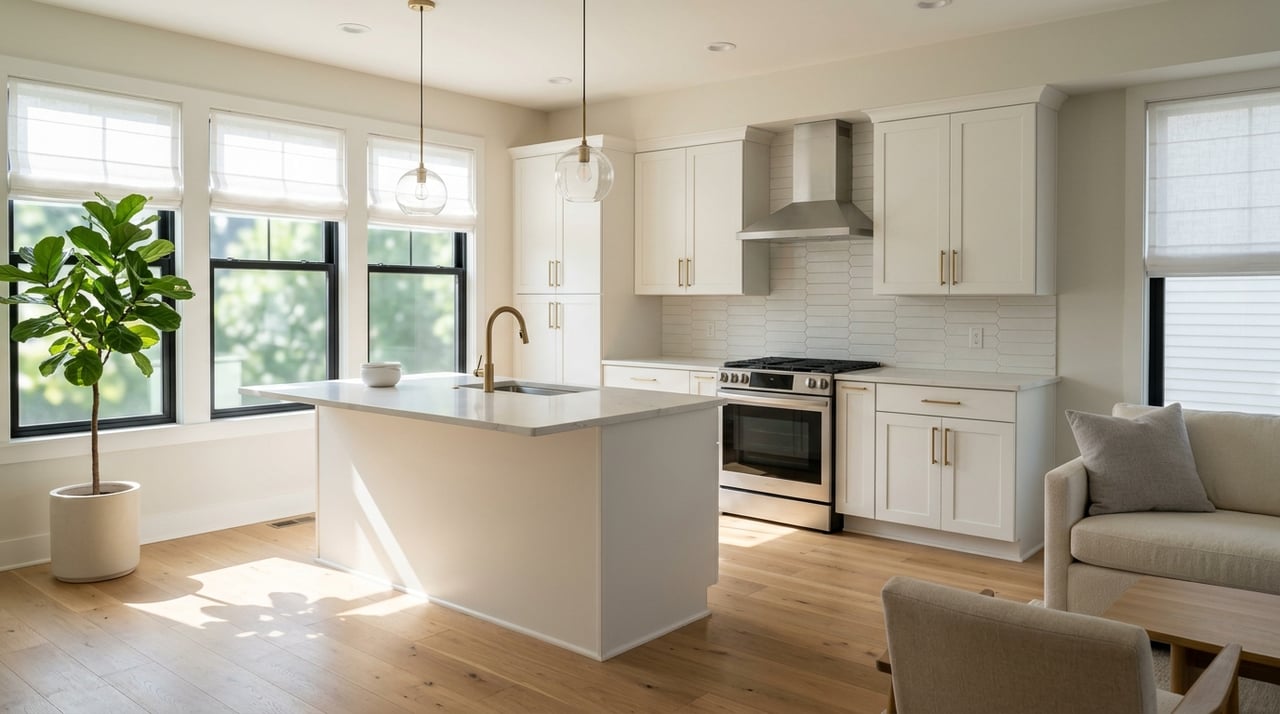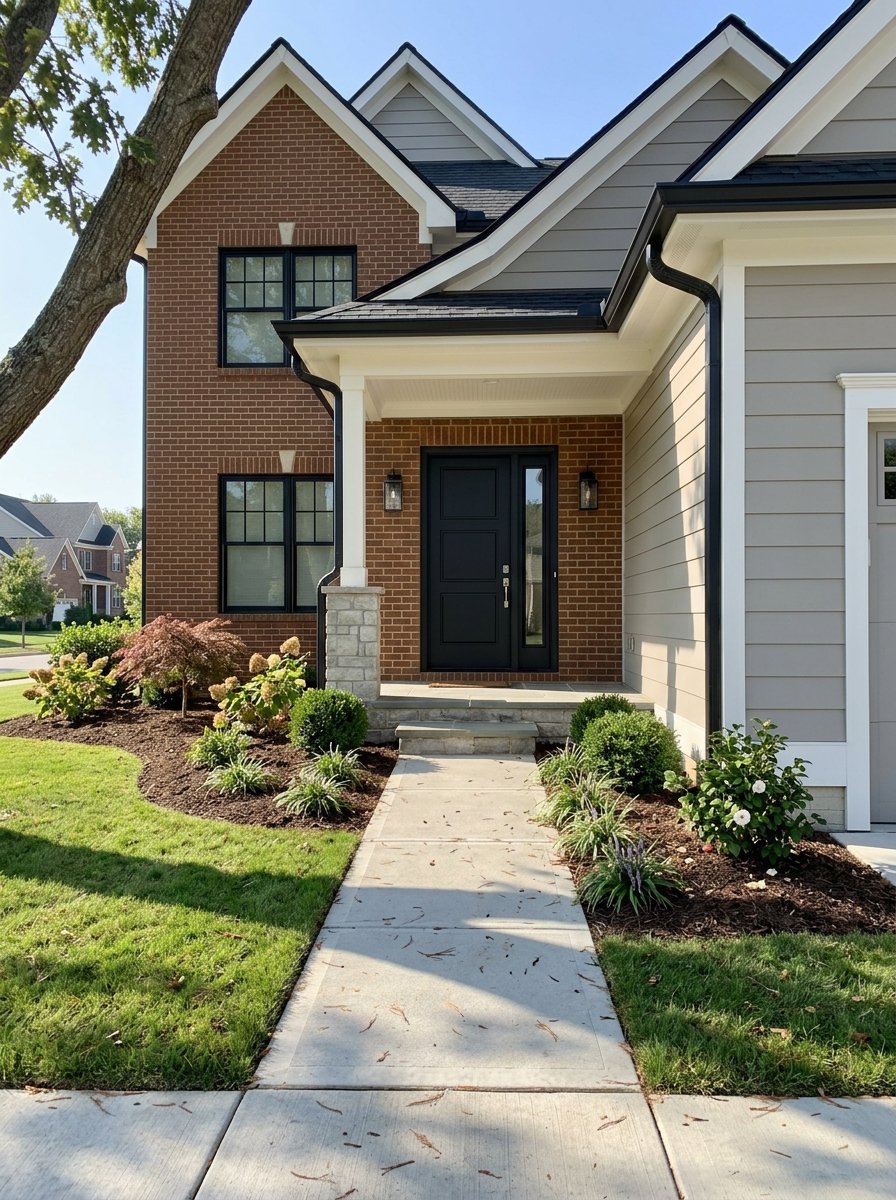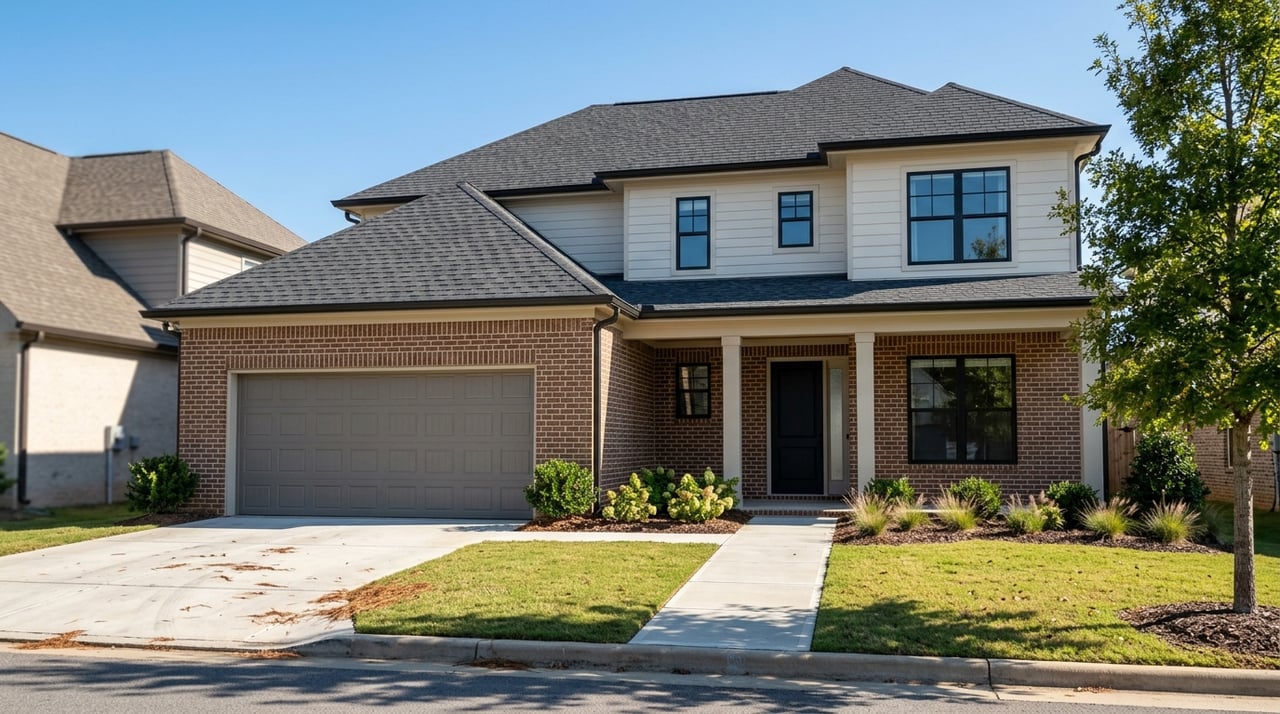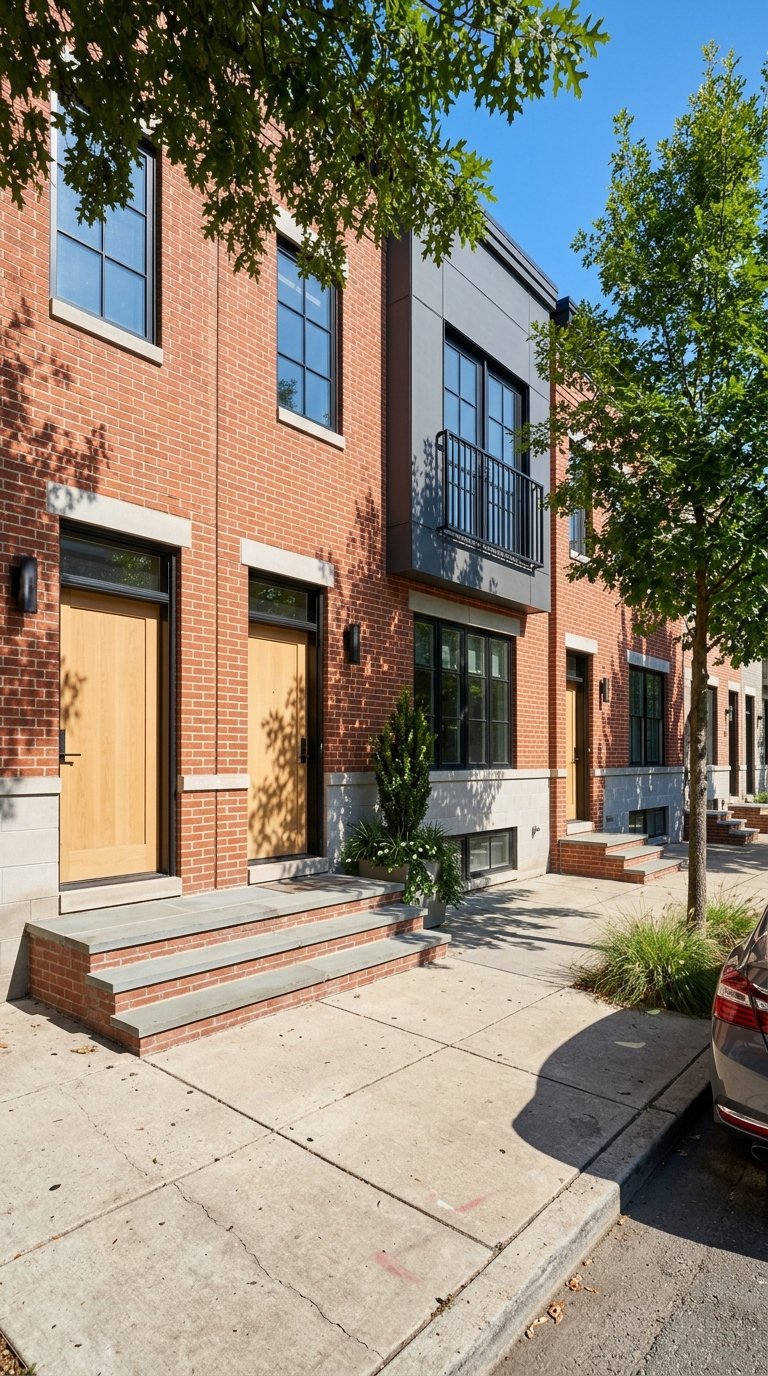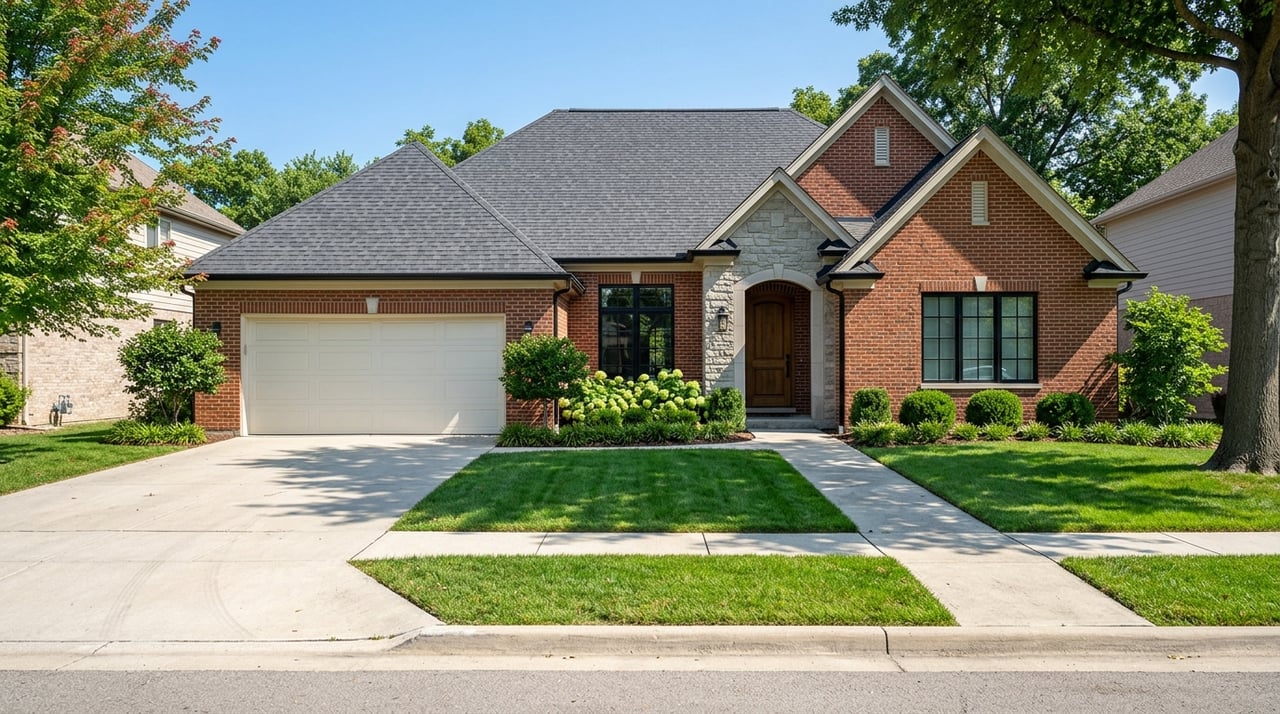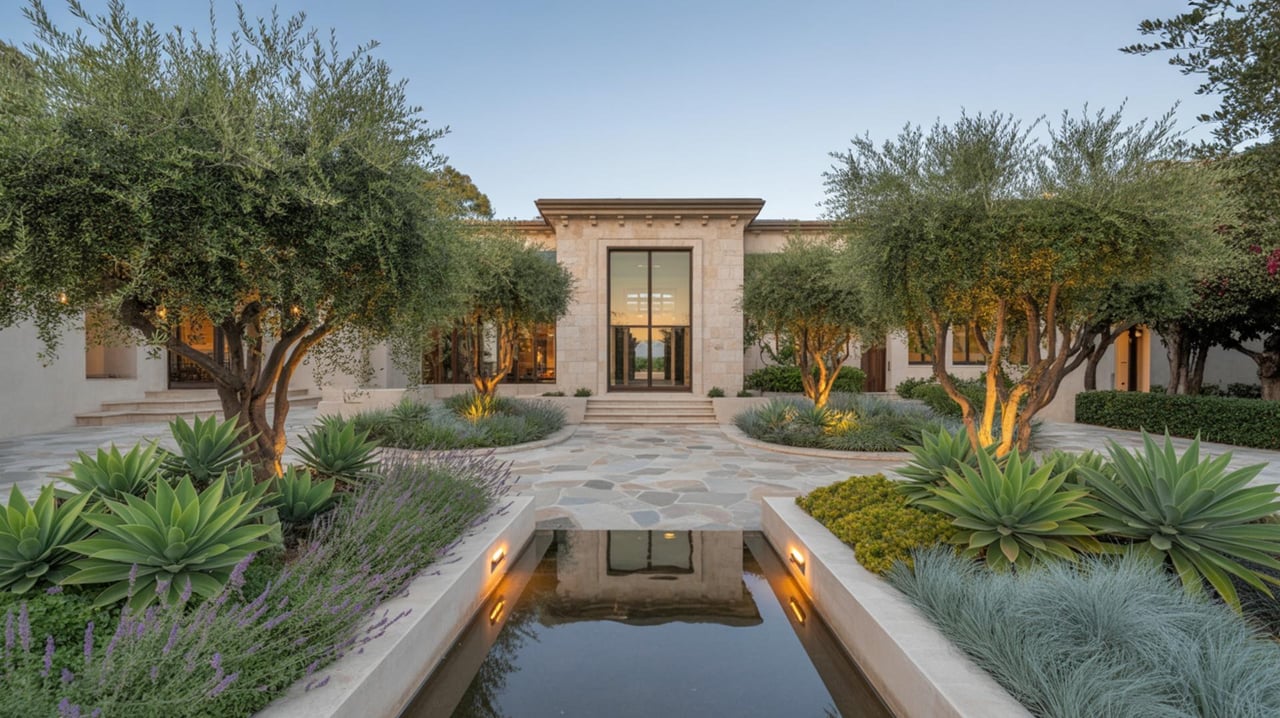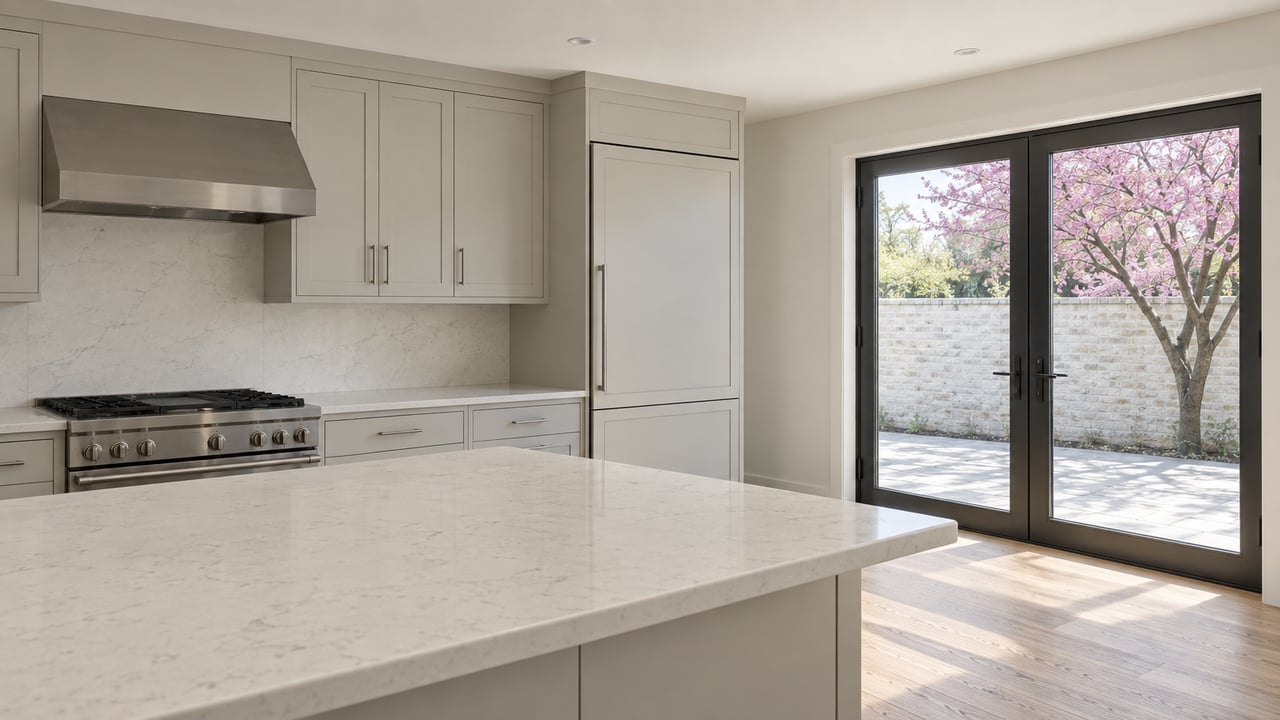
Walk into a sales office in one of Concord's new communities this fall and the pitch sounds almost apologetic. The base price on the whiteboard is fixed. The builder's rep will say so plainly, sometimes before you've asked. What comes next is the actual conversation: a rate buydown, a closing cost credit, a few thousand dollars for the design center. Buyers who treat that as a consolation prize are missing where the real money sits. Buyers who treat the fixed price as suspicious, rather than structural, are asking the wrong question from the start.
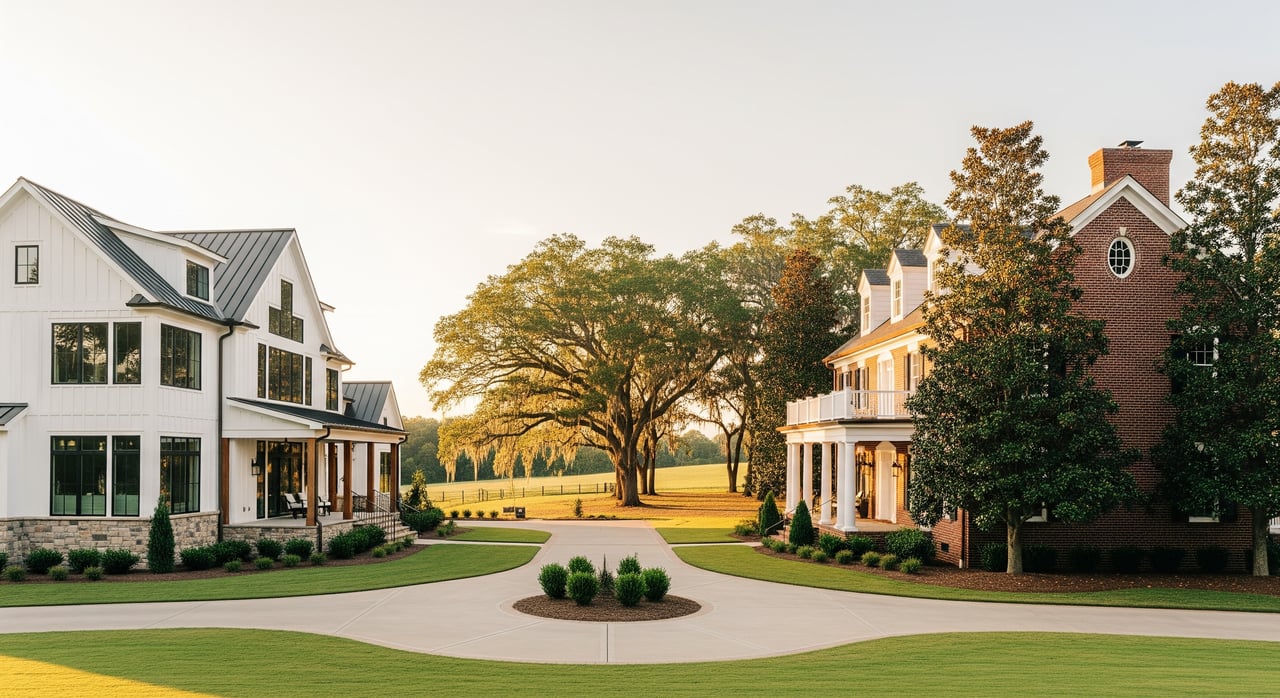
Concord is building fast enough that this scene repeats across a dozen active communities at once, from Hannahs Meadow in the 28027 corridor near Concord Mills to smaller infill subdivisions like Corries Meadow and Haven at Rocky River. Builders active in the market right now include national names like D.R. Horton, Pulte, Ryan Homes, Taylor Morrison, and Mattamy Homes alongside Carolina-based builders like Eastwood Homes, True Homes, David Weekley Homes, and Ardent Building Group. Ryan Homes alone lists 35 communities in Concord on its own site. That density matters, because it explains why the base price behaves the way it does.
Why the Sticker Price Doesn't Move
A builder selling forty lots in the same subdivision has a problem an individual home seller doesn't. Every closed sale in that community becomes a comparable for every appraisal that follows, including the appraisals on homes the builder hasn't sold yet. Cut the price on one lot to close a deal, and the next appraiser who walks a neighboring home has a lower comp sitting on record. That's why builders protect the published price and instead push money through rate buydowns, closing cost credits, and design allowances. Those tools lower what you pay without touching the number that shows up in county records and future appraisals.
This is the mechanism worth understanding before you tour a model home, because it changes the question you should be asking. Asking a builder rep to come down on price is asking them to do the one thing that puts every other sale in the community at risk. Asking what the incentive package actually does to your monthly payment and your cash at closing is asking a question they can answer, and usually will.
The Contract You Didn't Know You Were Signing
Most North Carolina home purchases run on a standard form, the Offer to Purchase and Contract known as Form 2-T, and a due diligence system that lets a buyer pay a negotiated fee directly to the seller in exchange for a window to inspect, finance, and walk away if something doesn't check out. Buyers who've bought a resale in Mecklenburg or Cabarrus County are used to that rhythm, and due diligence fees on resale homes in the $350,000 to $500,000 range across the Charlotte area commonly land between $2,000 and $5,000.
New construction runs differently. Builders almost always write their own purchase contract rather than using Form 2-T, and that contract typically sets a flat due diligence fee, often in the $500 to $1,500 range regardless of the home's price, attached to a shorter and more limited inspection window than a resale buyer would get. The dollar amount looks like a discount. The window is the part that catches people off guard.
| Typical Resale Contract | Typical Builder Contract | |
|---|---|---|
| Contract form | NC Form 2-T | Builder's own form |
| Due diligence fee | Often $2,000 to $5,000 in Charlotte-area homes priced $350K to $500K | Often a flat $500 to $1,500 regardless of price |
| Inspection window | Negotiated, often several weeks | Shorter and more limited by contract terms |
| Standard state protections | Apply automatically under Form 2-T | May not apply the same way, since the contract language is the builder's own |
None of this makes a builder contract unfair. It means the protections a resale buyer assumes are baked in have to be checked line by line, because they were written by the seller's attorney with the seller's construction schedule in mind. Terms worth reading closely before signing include lot premium adjustments, the builder's completion and extension rights if the build runs long, and how change orders get priced if you alter anything mid-construction.
Where the Incentive Money Actually Sits
Once the base price is off the table, the negotiation moves into four categories, and they solve different problems.
A temporary rate buydown lowers your interest rate for the first year or two, often in a 2-1 structure where the rate drops two points in year one and one point in year two before returning to the note rate. It makes the early years affordable but means budgeting for the full payment once the buydown period ends, not the introductory one.
A permanent buydown costs the builder more upfront but lowers your rate for the life of the loan. For a buyer planning to stay long term, this is usually the higher-value option even though the headline number looks smaller.
A closing cost credit reduces what you need in hand on closing day, covering lender fees, title costs, or prepaid taxes and insurance rather than touching your monthly payment.
A design credit or flex cash gives you dollars to spend at the design center on finishes, cabinets, or flooring. It adds value to the home but doesn't move your monthly number the way a buydown does.
The way to compare offers isn't to add up the headline dollar figures. It's to translate each one into two numbers: what it does to your monthly payment, and what it does to the cash you bring to the table on closing day. A $15,000 design credit and a $15,000 rate buydown are not the same offer, even though they read the same on a flyer.
What to Ask Before You Register
New construction has one more quirk that trips up buyers who assume it works like a resale showing. On most builder contracts, having your own agent costs you nothing, because the builder has already budgeted for that commission into the deal. But most builders require you to register your agent before or during your very first visit to the model home or sales office, and many will not add representation after the fact. Walking in alone to "just look" can mean walking in alone for the rest of the transaction.
Before you tour a Concord community, it's worth asking a few things directly:
- What is the current incentive package, and is it structured as a rate buydown, a credit, or a mix?
- Is the incentive tied to using the builder's preferred lender, and if so, how do those lender fees compare to an outside quote?
- What is the due diligence fee on this specific contract, and how long is the inspection window?
- What happens to any unused buydown funds if you refinance later?
- Does the contract include lot premium language, completion timelines, or change-order pricing that differs from what you've seen on other communities?
None of these questions require confrontation. They're the same questions a builder's own sales team fields constantly, and answering them is part of the job.
One More Thing Worth Doing Anyway
A new home is not automatically a finished home. Independent inspections at the pre-drywall stage and again before closing catch issues that a builder's own warranty process won't always flag early, regardless of how the contract reads. It's a small cost relative to everything else in the transaction, and it's the one step that has nothing to do with negotiating price or incentives at all.
Frequently Asked Questions
Is the due diligence fee on a new construction contract refundable if I walk away? Like the standard NC due diligence fee, it is generally non-refundable once paid, which is part of why the shorter inspection window on builder contracts matters. Confirm the specific terms in the builder's contract rather than assuming resale rules apply.
Can I still negotiate the base price directly, even if the community is protecting comps? It happens, particularly on standing inventory the builder has already finished and is carrying holding costs on. It's less common on homes still early in construction, where the builder has more flexibility to offer incentives instead.
Does bringing my own agent cost more than buying directly through the builder's sales office? On most builder contracts, no. The commission is already built into the deal, and registering your agent at first visit typically doesn't change the price you're quoted.
Buying new construction in Concord rewards buyers who know which number is actually up for discussion. If you're comparing communities, incentive packages, or builder contracts in the area, Wishon Group can walk through the specific terms with you before you sign anything. Let's Connect.